Textron Secures Navy Task Orders for Drone ISR Services Supporting 7th Fleet
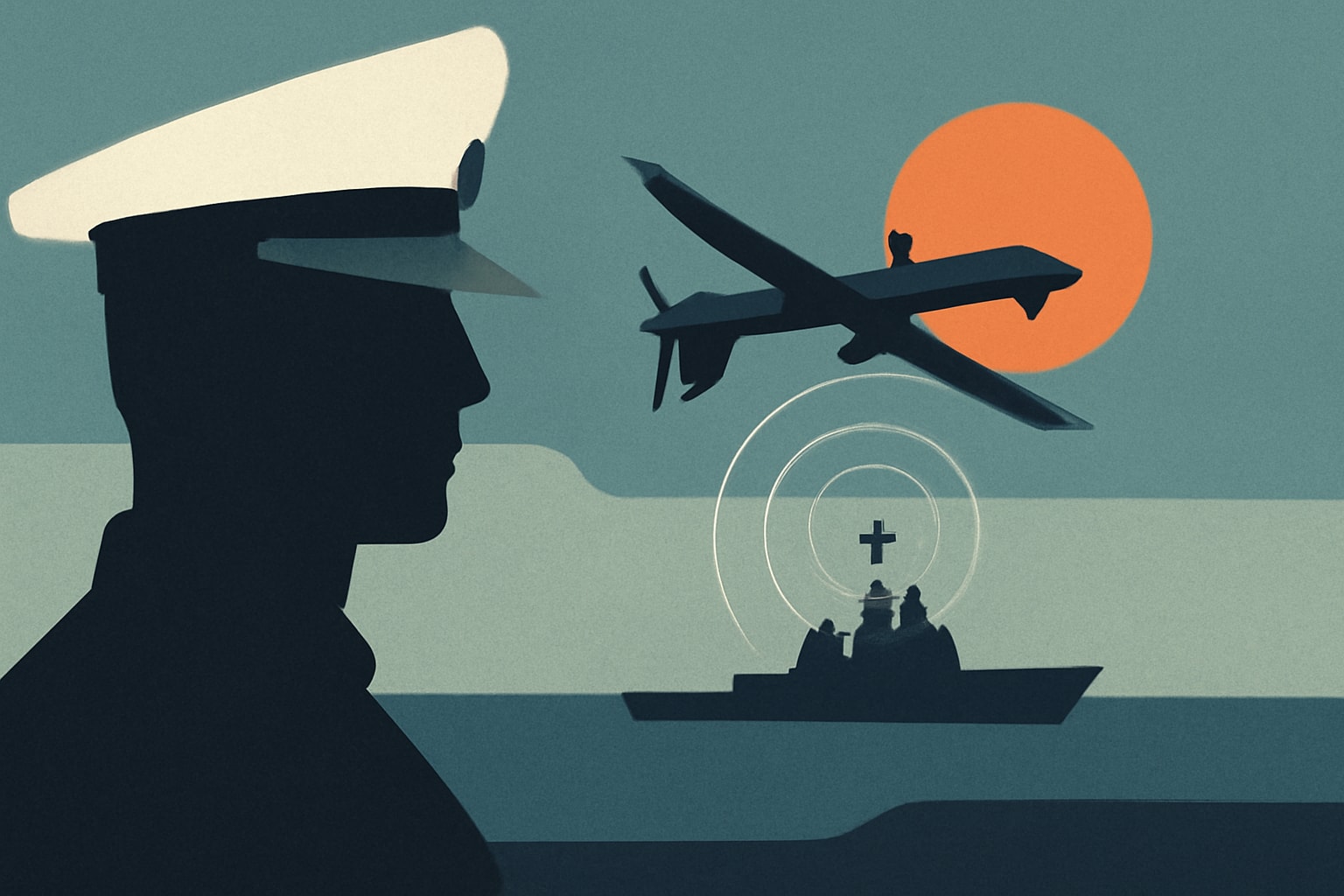
Textron will provide its Aerosonde Mk. 4.7 VTOL system under new task orders from the Navy.
What's Happening
- •Textron has been awarded task orders by the Navy for drone ISR services.
- •The services will support the 7th Fleet and other military forces.
- •The work involves the use of Textron's Aerosonde Mk. 4.7 vertical take-off and landing system.
Why It Matters
The Navy's decision to utilize Textron's drone technology underscores the increasing reliance on unmanned systems for military operations. For service members and veterans, this shift may indicate evolving career paths in technology and ISR roles, highlighting the importance of adapting to new advancements in military tactics and tools.
What Changes Now
- •The Navy will begin integrating Textron's Aerosonde Mk. 4.7 drones into its operations. This change is significant as it enhances the Navy's ISR capabilities and operational effectiveness in maritime environments.
- •Service members in relevant roles will receive training on the new drone systems. This training will be essential for ensuring that personnel can effectively utilize the technology in various operational scenarios.
- •The task orders may lead to increased collaboration with Textron for future technological advancements. This partnership could result in further innovations that improve military readiness and capabilities.
What to Watch
- •Upcoming training schedules for the Aerosonde Mk. 4.7 systems will be released. Service members should stay informed about when and where training will occur to ensure they are prepared for operational use.
- •Performance evaluations of the drone's ISR capabilities will be conducted over the next six months. These evaluations will determine the effectiveness of the technology in real-world operations and may influence future procurement decisions.
- •Potential expansions of the task orders could be announced based on initial performance. If successful, this could lead to broader implementation across other Navy fleets and branches.
Get the Daily Briefing
Military and veteran news that actually affects you, in your inbox each morning.
More Context
- •Overview of the Task Orders: Textron's recent task orders from the Navy mark a significant step in enhancing aerial reconnaissance capabilities for the 7th Fleet and other forces. The Aerosonde Mk. 4.7 system is designed for vertical take-off and landing, making it adaptable for various operational environments. This capability is crucial for maritime operations, allowing for real-time intelligence, surveillance, and reconnaissance (ISR) in areas where traditional aircraft may be less effective.
- •Impact on Military Operations: The integration of Textron's drone technology is expected to enhance the operational readiness of the Navy's 7th Fleet. By utilizing advanced ISR capabilities, naval forces can improve situational awareness and decision-making in complex maritime environments. This development is particularly relevant as the Navy seeks to maintain a competitive edge in the Indo-Pacific region, where tensions and operational demands are increasing.
- •Who Will Benefit from These Services?: Active duty personnel, particularly those in intelligence and operational roles, will directly benefit from the enhanced ISR capabilities provided by Textron's drones. This includes Navy sailors in rates such as Intelligence Specialist (IS) and Operations Specialist (OS), who rely on accurate data for mission planning and execution. Additionally, the use of these drones may lead to improved training opportunities for service members as they adapt to new technologies in the field.
- •Future Developments to Monitor: As the Navy begins to implement these task orders, service members should monitor the rollout schedule for the Aerosonde Mk. 4.7 systems. Key decisions regarding operational deployment and training programs are expected to be announced within the next few months. Furthermore, ongoing assessments of the drone's performance in real-world scenarios will provide insights into its effectiveness and potential adjustments needed for future operations.
Frequently Asked Questions
How will the new drone services affect Navy operations?
The new drone services will enhance ISR capabilities, allowing for better situational awareness and decision-making in maritime operations.
Will personnel need special training for the Aerosonde Mk. 4.7?
Yes, personnel in relevant roles will receive training to effectively operate and integrate the new drone systems into their missions.
What is the timeline for the rollout of these drone services?
The Navy is expected to announce training schedules and operational deployment timelines within the next few months.
The Daily Briefing
Military & veteran news that actually affects you — delivered every morning.
- Pay, benefits & policy changes
- Pentagon decisions that matter
- VA updates for veterans & families
- One email. No spam. Unsubscribe anytime.
Related Stories
- Air Force Identifies TACP Airman Killed in Alamodome Rappelling Accident— Air & Space Forces Magazine
- USAF Seeks More Processing Power for F-16 with Next-Gen Mission Computer— Air & Space Forces Magazine
- Honeywell Aerospace Unveils SAMURAI: A New Counter-Drone Software Solution— Military Times
- US Army Targets 2028 for First High-Energy Laser Counter-Drone Weapons— Military Times