Taiwan Adopts Civilian Resistance Strategies Inspired by Ukraine
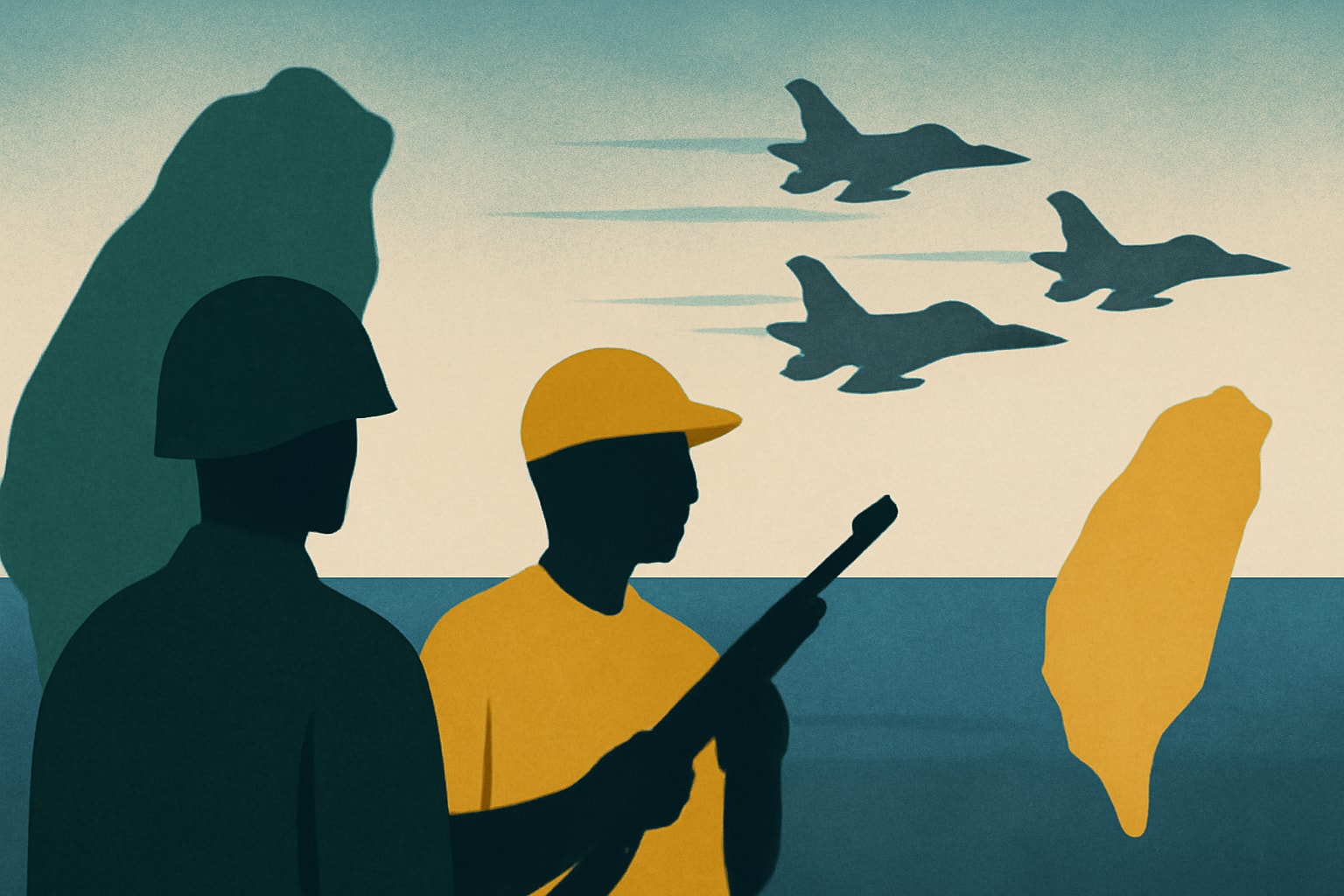
Taiwan is embedding resistance strategies into civilian life to prepare for potential invasion scenarios.
What's Happening
- •Taiwan is integrating civilian resistance strategies into daily life.
- •The approach is modeled after Ukraine's defense tactics against invasion.
- •Leaders aim to enhance public awareness and preparedness for potential threats.
Why It Matters
Taiwan's initiative to prepare its civilian population for potential invasion is significant for military and veteran communities, as it emphasizes the importance of resilience and readiness. This strategy not only enhances national security but also fosters a sense of collective responsibility among citizens, which is crucial in times of crisis.
What Changes Now
- •Taiwan is launching community training programs for civilians. These programs will include self-defense tactics and emergency response training, beginning next quarter.
- •Public awareness campaigns will be intensified to educate citizens on civil defense. This will involve workshops and informational sessions held across various communities.
- •The government is establishing partnerships with local organizations to facilitate training. These partnerships will ensure resources and expertise are available to all citizens.
What to Watch
- •Look for the rollout of community training programs in the coming months. The effectiveness of these programs will be monitored closely by both military and civilian leaders.
- •Watch for public reactions to the increased emphasis on civilian preparedness. Community engagement levels will be key indicators of the initiative's success.
- •Keep an eye on Taiwan's military partnerships, especially with the U.S. Any changes in defense cooperation could impact Taiwan's overall security strategy.
Get the Daily Briefing
Military and veteran news that actually affects you, in your inbox each morning.
More Context
- •Civilian Resistance: A New Approach: Taiwan's leadership is actively working to incorporate the concept of civilian resistance into the fabric of society. This initiative is designed to prepare citizens for the possibility of an invasion, much like Ukraine has done in recent conflicts. By fostering a culture of preparedness, Taiwan aims to ensure that civilians are not merely passive observers but active participants in national defense. This includes training programs, community drills, and educational campaigns that emphasize the importance of resilience and readiness in the face of potential aggression.
- •Lessons from Ukraine: Taiwan's strategy draws heavily from the experiences of Ukraine, particularly its successful mobilization of civilian resources during the Russian invasion. The Ukrainian model demonstrated how a well-informed and prepared populace can significantly impact the effectiveness of military operations. Taiwan is looking to replicate this by encouraging citizens to engage in training that includes basic self-defense, emergency response, and understanding of civil defense protocols. This proactive stance is crucial as Taiwan faces increasing military pressure from China.
- •Implications for Military Families and Veterans: For military families and veterans, Taiwan's approach to civilian resistance may resonate deeply, as it reflects a commitment to national service beyond traditional military roles. Active-duty service members, veterans, and their families can play a vital role in these initiatives by sharing their experiences and skills. This could foster a stronger community bond and enhance overall readiness. Additionally, veterans with combat experience may find opportunities to contribute to training programs, helping to equip civilians with the necessary skills to respond effectively in crisis situations.
- •What This Means for Regional Security: The shift towards a more resilient civilian population in Taiwan has broader implications for regional security dynamics. As Taiwan strengthens its internal defenses, it sends a clear message to potential aggressors about its commitment to sovereignty and self-defense. This could potentially deter hostile actions from adversaries, while also influencing the strategic calculations of neighboring countries. Observers will be watching closely to see how these developments affect Taiwan's international relationships and its military partnerships, particularly with the United States.
Frequently Asked Questions
How will this affect service members stationed in Taiwan?
Service members may be called upon to assist in training civilian populations, leveraging their military experience to enhance community preparedness.
Are there specific training programs for veterans?
Veterans may have opportunities to participate in or lead training initiatives, helping to bridge military skills with civilian defense needs.
What role will military families play in these initiatives?
Military families are encouraged to engage in community training, fostering a sense of unity and shared responsibility in national defense efforts.
The Daily Briefing
Military & veteran news that actually affects you — delivered every morning.
- Pay, benefits & policy changes
- Pentagon decisions that matter
- VA updates for veterans & families
- One email. No spam. Unsubscribe anytime.
Related Stories
- US Navy Awards Raytheon $24.4B for SM-6 Missiles Amid Stockpile Concerns— Military Times
- U.S. Marines Deployed to Baltic Sea to Protect Undersea Infrastructure— Military Times
- Air Force and Pentagon Launch New Efforts to Support Military Spouse Employment— Air & Space Forces Magazine
- Senate Urged to Act Quickly on North Carolina Veterans' Home Legislation— Navy Times