Survivor’s Guilt in Young Soldiers Mirrors Odyssey's Haunting Memories
The emotional burden of survivor's guilt is a pressing issue for young service members returning from combat.
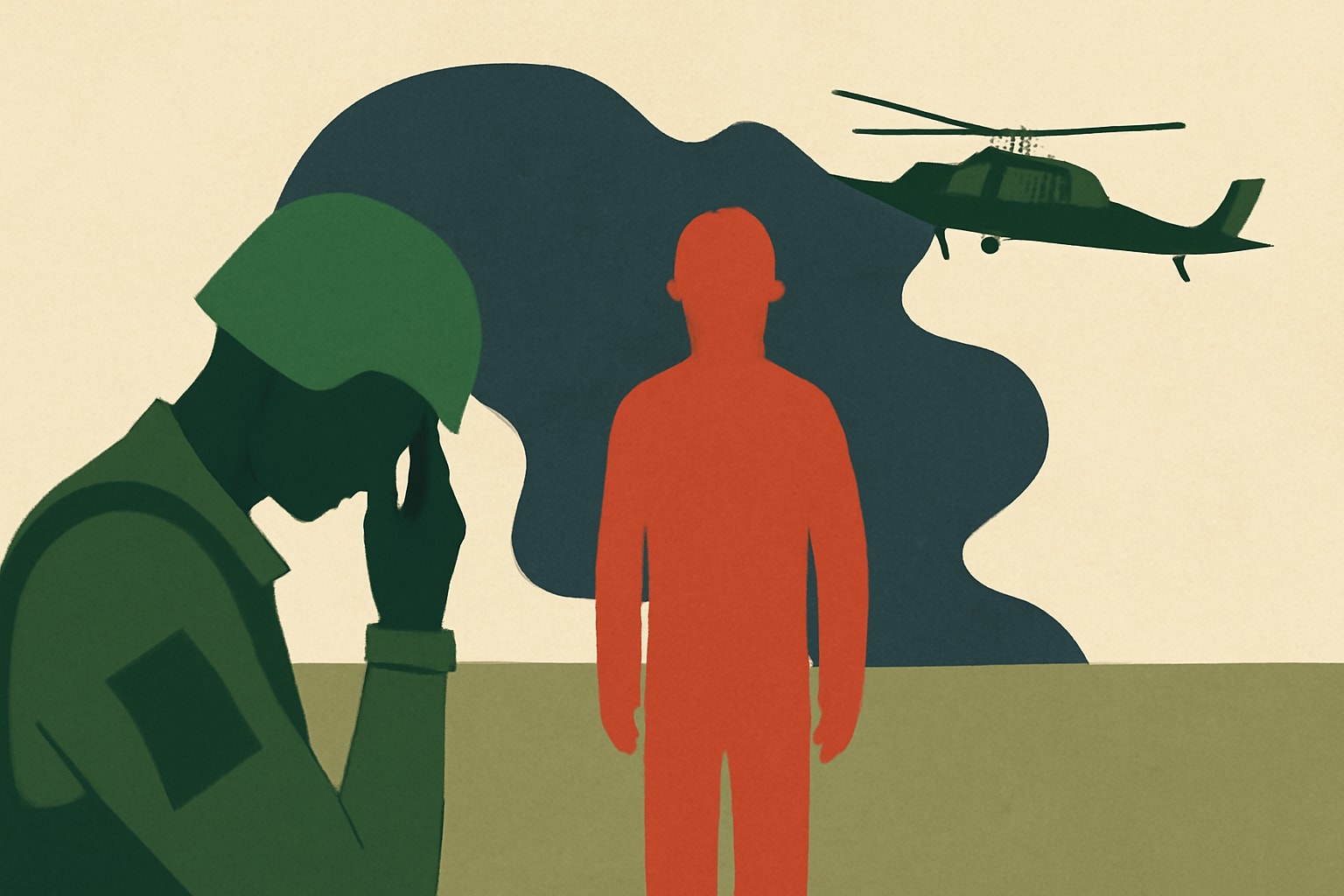
What's Happening
- •Young soldiers are increasingly reporting feelings of survivor's guilt after combat.
- •This emotional struggle is being compared to the experiences of Odysseus in Homer's Odyssey.
- •Mental health resources are being emphasized to help these service members cope.
Why It Matters
Survivor's guilt is a critical issue that affects many young service members, particularly those returning from combat. Understanding and addressing this emotional burden is essential for promoting mental health and successful reintegration into civilian life.
What Changes Now
- •Mental health resources are being expanded for young service members. This includes increased access to counseling and support groups tailored to those experiencing survivor's guilt.
- •Programs focusing on resilience training are being implemented across military installations. These programs aim to equip service members with coping strategies before they transition to civilian life.
- •Peer support initiatives are being encouraged within units. This change aims to foster a culture where discussing mental health issues is normalized and supported.
What to Watch
- •The rollout of new mental health programs is expected in the coming months. Service members should stay informed about available resources through their chain of command.
- •Increased funding for veteran support organizations is anticipated in upcoming budgets. This could enhance community resources for those dealing with survivor's guilt.
- •Legislative discussions around mental health care for veterans are ongoing. Changes in policy could affect the availability of support services in the near future.
Get the Daily Briefing
Military and veteran news that actually affects you, in your inbox each morning.
More Context
- •Understanding Survivor's Guilt: Survivor's guilt is a psychological phenomenon where individuals feel guilt for surviving a traumatic event when others did not. For young service members, this can manifest after combat situations where peers were lost, leading to feelings of unworthiness or questioning their own survival. The emotional toll can hinder their transition back to civilian life, impacting their mental health and relationships.
- •The Connection to the Odyssey: Homer's Odyssey presents a timeless narrative of a warrior's return from battle, filled with haunting memories. Just as Odysseus struggled with his past, modern soldiers face similar battles with their memories of fallen comrades. This literary parallel highlights the ongoing emotional struggles that service members endure long after the physical battles have ended.
- •Resources for Coping: To address these feelings, the military is enhancing mental health support for young soldiers. Programs focusing on resilience and coping strategies are being implemented, encouraging service members to seek help. Resources such as the Military Crisis Line and counseling services are vital for those grappling with survivor's guilt, providing a pathway towards healing.
- •The Importance of Community Support: Community support plays a crucial role in helping veterans cope with survivor's guilt. Peer support groups and veteran organizations can provide a safe space for sharing experiences and feelings. Connecting with others who have faced similar challenges can foster understanding and reduce feelings of isolation, which are common among those dealing with such guilt.
Frequently Asked Questions
What should I do if I feel survivor's guilt?
Seek help from mental health professionals or talk to a trusted peer. Utilizing resources like the Military Crisis Line can provide immediate support.
Are there support groups for veterans dealing with survivor's guilt?
Yes, many organizations offer peer support groups specifically for veterans. Check with local veteran service organizations for options.
Robert's Perspective
This is a welcome development. I'm glad to see that the military is thinking about ways it can better integrate the Space Force into joint operations. As we think about the way wars in the future are going to be waged, they'll be multi-domain and require integration of all of our services, including those in space. So this is the first of many steps to make sure that the Space Force guardians are truly a part of that bigger picture, to make sure commanders waging our wars are able to accomplish what they need in the space domain. We can't afford to treat space as an afterthought when it's going to be central to how conflicts unfold. The services have to move in lockstep, and that means giving guardians a real seat at the table rather than folding them in as an afterthought once the planning is already done. That's how we make sure the whole joint force actually works the way it's supposed to.
— Robert Franklin, founder of Vet The News, U.S. military veteran & defense journalist · written from his emailed notes on this story
The Daily Briefing
Military & veteran news that actually affects you — delivered every morning.
- Pay, benefits & policy changes
- Pentagon decisions that matter
- VA updates for veterans & families
- One email. No spam. Unsubscribe anytime.
Related Stories
- From Elvis to Mr. T: 10 Celebrity Veterans Who Made Their Mark in Entertainment— Military.com
- The Evolution of Veterans Day: From World War I to Today— Military.com
- Colorado Community Rallies to Support 101-Year-Old WWII Veteran Ed Beck— Military.com
- Tom Skerritt, Air Force Veteran and ‘Top Gun’ Star, Dies at 93— Military Times