Suicidal Ideation Among Veterans Rises Nearly 50% in Five Years
A recent study shows a significant increase in suicidal thoughts among veterans, raising concerns for mental health support.
What's Happening
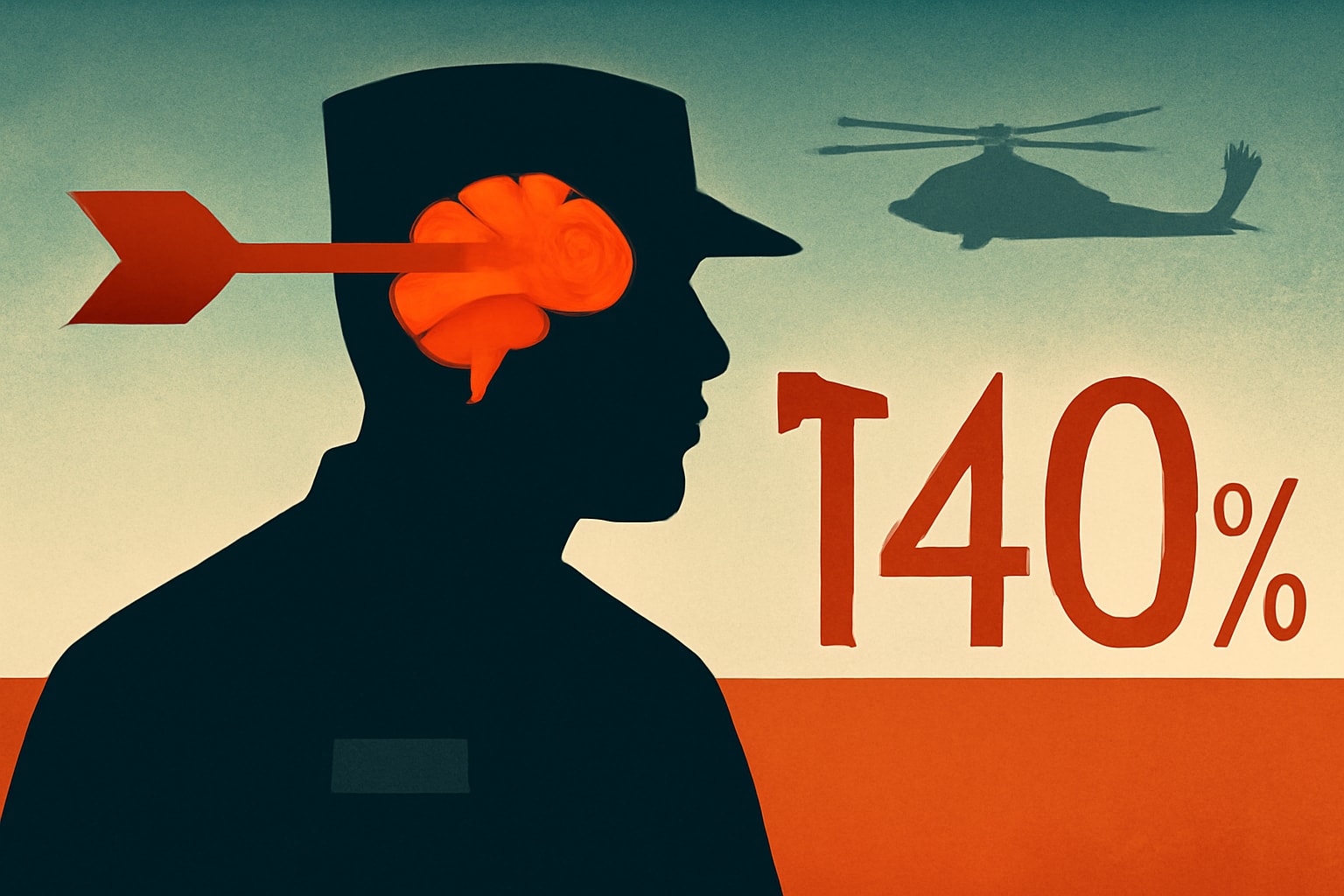
- •A study indicates that suicidal ideation among U.S. veterans has increased by nearly 50% over the past five years.
- •The research was based on a survey involving 2,636 veterans across various demographics.
- •Despite the rise in suicidal thoughts, the rate of actual suicide attempts among veterans has remained stable.
Why It Matters
The rising rates of suicidal ideation among veterans signal a critical need for enhanced mental health resources and support systems. Understanding these trends is vital for both service members and their families, as it directly impacts the overall well-being of the veteran community.
What Changes Now
- •Veterans are encouraged to reach out for mental health support through the Veterans Crisis Line. This resource provides immediate assistance and can help veterans navigate their mental health challenges.
- •The VA is expected to increase funding for mental health programs in response to the rising rates of suicidal ideation. This will enhance access to vital services for veterans in need.
- •Local VA facilities are expanding telehealth options to make mental health care more accessible. Veterans should take advantage of these services to receive timely support.
What to Watch
- •Upcoming announcements from the VA regarding new mental health initiatives. These initiatives will aim to address the rising mental health concerns among veterans and may include new funding opportunities.
- •Results from ongoing mental health studies that could influence future policies. Keeping track of these studies will provide insights into effective interventions for veterans.
- •Legislative discussions surrounding mental health funding in Congress. These discussions will determine the level of support available for veterans facing mental health challenges.
Get the Daily Briefing
Military and veteran news that actually affects you, in your inbox each morning.
More Context
- •Understanding the Rise in Suicidal Ideation: The recent study highlights a troubling trend among U.S. veterans, with nearly 50% reporting increased suicidal thoughts over the last five years. This surge in suicidal ideation is concerning for mental health advocates and policymakers, as it suggests that many veterans are struggling with unresolved trauma and mental health issues. Factors such as combat exposure, transition challenges, and lack of access to mental health resources may contribute to this rise. The study's findings underscore the urgent need for improved mental health support systems tailored to veterans.
- •Impact on Specific Veteran Groups: The increase in suicidal ideation affects various groups within the veteran community, particularly those who served in combat roles. Active-duty service members transitioning to civilian life, especially those in the E-4 to E-6 ranks in combat arms, may be particularly vulnerable. Additionally, veterans from the Reserve Component, such as 68W Army medics, face unique challenges that can exacerbate mental health issues. Understanding these demographics is crucial for developing targeted interventions.
- •Practical Implications for Veterans: Veterans experiencing suicidal thoughts are encouraged to seek help immediately through resources such as the Veterans Crisis Line. They can reach out by calling 1-800-273-8255 and pressing 1 for veterans. Additionally, veterans should utilize the VA's mental health services available through local VA facilities or through telehealth options. It is essential for veterans to know that they are not alone and that support is accessible.
- •What to Monitor Moving Forward: Veterans and advocates should keep an eye on upcoming policy changes regarding mental health funding and resources. The VA is expected to announce new initiatives in the next quarter aimed at addressing mental health crises among veterans. Additionally, the results of ongoing mental health studies may influence future legislation, so staying informed will be crucial for those affected by these issues.
Frequently Asked Questions
What should I do if I'm having suicidal thoughts?
If you are experiencing suicidal thoughts, reach out to the Veterans Crisis Line at 1-800-273-8255 and press 1 for immediate support.
Are there resources specifically for combat veterans?
Yes, the VA offers specialized programs and resources tailored for combat veterans, including mental health services and peer support groups.
How can I access mental health services through the VA?
You can access VA mental health services by contacting your local VA facility or through the VA's telehealth options available on their website.
Veteran Take
For those who've served, the rise in suicidal thoughts is a stark reminder of the ongoing struggles many face long after their time in uniform. This alarming trend highlights the urgent need for better mental health resources and support systems that truly understand our unique experiences. Veterans navigating this will need not just awareness, but actionable solutions that address the root causes of these feelings.
The Daily Briefing
Military & veteran news that actually affects you — delivered every morning.
- Pay, benefits & policy changes
- Pentagon decisions that matter
- VA updates for veterans & families
- One email. No spam. Unsubscribe anytime.
Related Stories
- 2026 VA Funding Fee Guide: Understanding Rates and Exemptions— Military.com
- VA Facilities Struggle with Staffing Shortages in Mental Health and Nursing— Military Times
- 2026 Veterans Day Offers Free Meals and Discounts for Veterans— Military.com
- Air Force Veteran Convicted in 2001 Murder-for-Hire Plot Scheduled for Execution— Military.com