Starlink Outage Disrupts Navy Drone Tests, Exposing Pentagon Reliance on SpaceX
A global Starlink outage disrupted U.S. Navy drone tests, revealing the Pentagon's increasing dependence on Elon Musk's SpaceX.
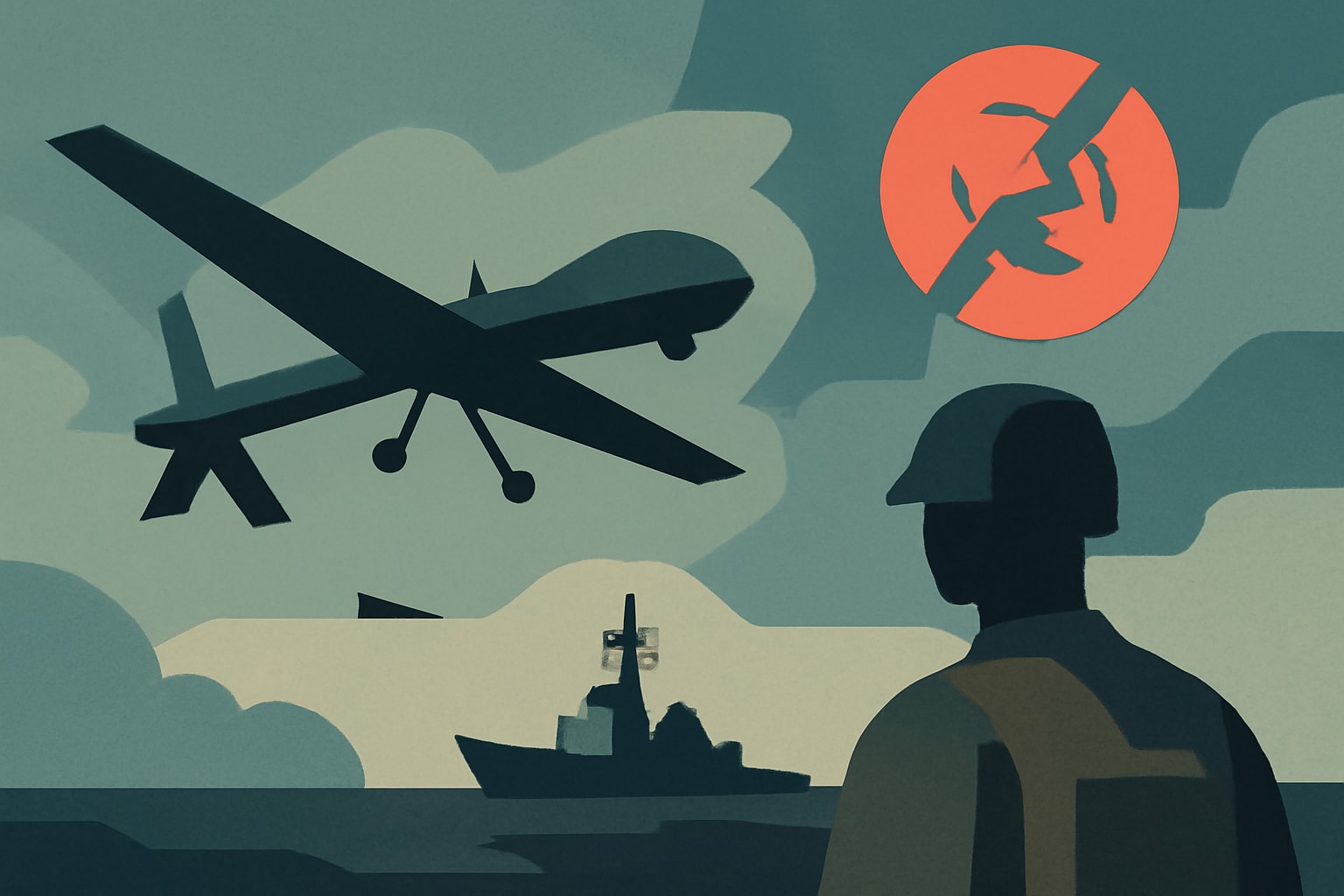
What's Happening
- •In August 2025, a global outage of the Starlink satellite network halted U.S. Navy unmanned surface vessel operations off California.
- •The incident revealed the Pentagon's growing reliance on SpaceX for military communications.
- •Concerns have been raised about vulnerabilities associated with depending on a single commercial provider for critical military functions.
Why It Matters
This incident illustrates the critical intersection of commercial technology and military operations, highlighting the vulnerabilities that can arise from reliance on a single provider. For service members and veterans, understanding these risks is essential as they can directly impact operational readiness and national security.
What Changes Now
- •The Pentagon is increasing scrutiny of its reliance on SpaceX for military communications. This reassessment is crucial to identify vulnerabilities and ensure operational readiness.
- •There will be a reassessment of contingency plans for communication outages. This involves evaluating existing backup systems to determine their effectiveness in critical situations.
- •The Pentagon is exploring alternative satellite communication options. This includes potential investments in new military satellite constellations to diversify its communication infrastructure.
What to Watch
- •Watch for the Pentagon's diversification of satellite communication providers. This decision will significantly impact military operations and readiness in the coming months.
- •The development of new military satellite constellations is underway. This initiative aims to enhance communication capabilities and reduce reliance on commercial entities.
- •Keep an eye on legislative discussions regarding military partnerships with commercial providers. Lawmakers are likely to push for measures that ensure national security and operational continuity.
Get the Daily Briefing
Military and veteran news that actually affects you, in your inbox each morning.
More Context
- •Impact of the Starlink Outage: In August 2025, a significant outage of Elon Musk's Starlink satellite network caused U.S. Navy unmanned surface vessels to stop their operations off the coast of California. This disruption highlighted the Department of Defense's increasing dependence on commercial satellite services for vital military functions, raising alarms about potential vulnerabilities in operational readiness. The Navy's unmanned vessels rely heavily on Starlink for real-time data transmission and remote control capabilities, making them particularly susceptible to such outages.
- •The Pentagon's Shift to Commercial Providers: The Pentagon has increasingly turned to commercial space companies like SpaceX to supplement its military satellite infrastructure. This trend is motivated by the need for enhanced bandwidth, lower latency, and more resilient communication networks. Starlink's extensive constellation of low Earth orbit satellites offers significant advantages over traditional military satellites, but the recent outage has raised questions about the risks of relying solely on a commercial entity for critical military operations.
- •Concerns and Future Directions: Lawmakers and defense experts have expressed concerns regarding the Pentagon's partnership with SpaceX, particularly about foreign interference and cybersecurity threats. The Starlink outage has intensified calls for diversifying satellite communication providers to mitigate risks. In response, the Pentagon is reassessing its reliance on Starlink and exploring alternative satellite communication options, which may include investing in new military satellite constellations and collaborating with other commercial providers.
- •The Need for Robust Contingency Plans: The Starlink outage raises important questions about the Pentagon's contingency plans for future disruptions. While the military has backup communication systems, they may not fully compensate for the capabilities lost during a Starlink outage. This incident underscores the necessity for more robust and redundant communication networks to ensure operational continuity in critical situations, emphasizing the importance of maintaining independent military satellite infrastructure alongside commercial partnerships.
Veteran Take
For those who've served, this situation underscores a troubling reality: our military's reliance on commercial technology can leave us vulnerable. When a single provider like SpaceX experiences an outage, it not only disrupts operations but also raises questions about our preparedness in critical situations. Veterans navigating this landscape must recognize that operational readiness is not just about having the latest tech, but also about ensuring we have robust, resilient systems in place.
The Daily Briefing
Military & veteran news that actually affects you — delivered every morning.
- Pay, benefits & policy changes
- Pentagon decisions that matter
- VA updates for veterans & families
- One email. No spam. Unsubscribe anytime.
Related Stories
- Air Force Seeks Next-Gen Perimeter Air Defense Radars to Replace Aging Systems— Air & Space Forces Magazine
- AFRL Partners with Virgin Galactic to Collect Space Weather Data— Air & Space Forces Magazine
- Florida Air Force Bases Evacuate Planes and Personnel as Hurricane Isaias Approaches— Air & Space Forces Magazine
- France Successfully Fires Upgraded Nuclear-Capable Missile from Submarine— Defense News