SOUTHCOM Conducts First Drug Boat Strike Under New Counter-Cartel Task Force
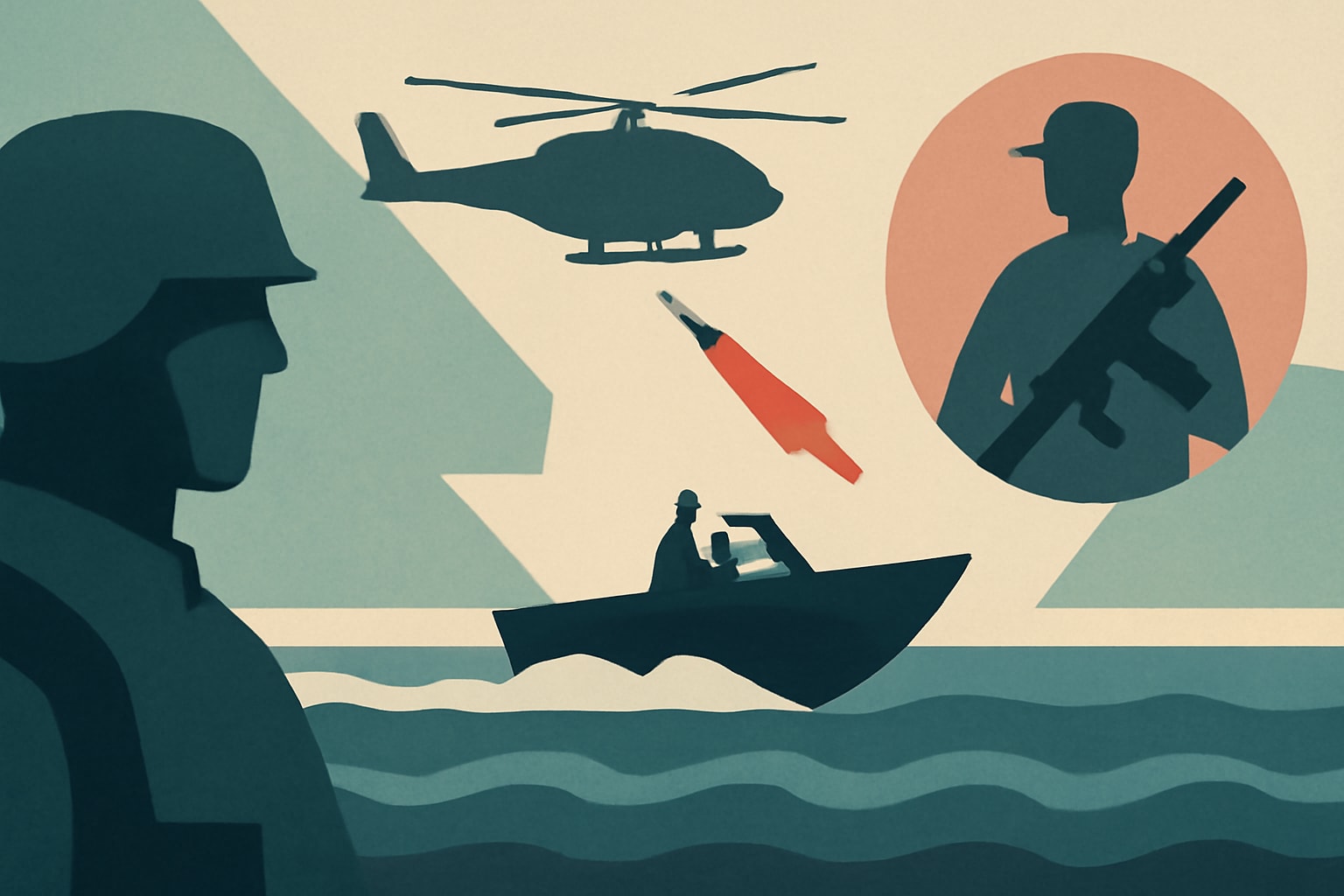
The U.S. Southern Command has executed its first lethal strike on a drug trafficking vessel, marking a significant step in its counter-cartel operations.
What's Happening
- •U.S. Southern Command has executed its first lethal strike on a suspected narco-trafficking vessel in two months.
- •This strike is the first under a newly formed permanent counter-cartel task force.
- •The U.S. plans to transfer MQ-9 drones to Colombia to enhance its counter-cartel capabilities.
Why It Matters
This development is critical for military personnel and veterans who have served in counter-narcotics roles, as it signifies a renewed focus on drug trafficking threats in the Americas. The establishment of a permanent task force and the deployment of advanced drones will likely enhance operational capabilities and may lead to increased support for current and former service members involved in these missions.
What Changes Now
- •The establishment of the counter-cartel task force means that operations against drug trafficking will be more coordinated and sustained. This will likely result in increased deployment opportunities for service members involved in these missions.
- •The recent strike indicates a shift in engagement rules, allowing for more direct action against drug trafficking vessels. Personnel may need to adapt to new operational guidelines and training requirements as these changes take effect.
- •The transfer of MQ-9 drones to Colombia will enhance surveillance and operational capabilities in the region. Service members may find themselves working alongside Colombian forces in joint operations, requiring cultural and operational training.
What to Watch
- •Monitor announcements regarding new missions from SOUTHCOM in the coming weeks. These updates will provide insights into the operational focus of the counter-cartel task force.
- •Watch for the timeline of the MQ-9 drone transfer to Colombia, expected to occur within the next few months. This will impact how U.S. forces engage with drug trafficking organizations.
- •Keep an eye on the effectiveness of the recent strike and subsequent operations. Evaluations will determine the future direction of U.S. counter-narcotics strategies.
Get the Daily Briefing
Military and veteran news that actually affects you, in your inbox each morning.
More Context
- •Overview of the Counter-Cartel Task Force: The establishment of the counter-cartel task force by U.S. Southern Command (SOUTHCOM) represents a strategic shift in the U.S. approach to combating drug trafficking in the region. This task force aims to provide a more coordinated and sustained effort against narco-traffickers, leveraging intelligence and operational capabilities across multiple agencies. The recent strike underscores the urgency of addressing the growing threat posed by drug cartels, which have been increasingly active in Central and South America.
- •Details of the Recent Strike: The recent operation involved a lethal strike on a suspected drug boat, marking a significant escalation in the U.S. military's engagement in counter-narcotics operations. This action was taken after two months of planning and intelligence gathering, highlighting the importance of timely and accurate information in executing such missions. The strike not only aims to disrupt drug trafficking routes but also sends a clear message to cartels about the U.S. commitment to combating drug-related violence and crime.
- •Implications for Military Personnel: Active-duty service members, particularly those in roles related to maritime operations and intelligence, will see increased operational tempo as a result of this task force's activities. Units involved in counter-narcotics operations may experience new training requirements and deployment schedules as the U.S. ramps up its efforts against drug trafficking. Additionally, the transfer of MQ-9 drones to Colombia will likely involve coordination with personnel who specialize in drone operations and surveillance.
- •Future Developments to Monitor: As the counter-cartel task force becomes operational, service members should keep an eye on upcoming announcements regarding new missions and deployment rotations. The integration of MQ-9 drones into Colombian operations is expected to begin in the coming months, which may lead to changes in engagement strategies. Furthermore, updates on the effectiveness of these operations will be crucial in assessing the ongoing threat posed by drug cartels in the region.
Frequently Asked Questions
Does this affect Guard members on Title 10 orders?
Yes, Guard members on Title 10 orders may be called to support operations under the new counter-cartel task force, especially if they have relevant skills in maritime operations or intelligence.
Will my deployment schedule change due to this task force?
Deployment schedules may change as the task force ramps up operations. Service members should stay informed through their chain of command for any updates.
How can I prepare for potential involvement in counter-narcotics operations?
Service members can prepare by ensuring their training is up-to-date and by familiarizing themselves with counter-narcotics tactics and procedures. Staying engaged with unit briefings will also be crucial.
The Daily Briefing
Military & veteran news that actually affects you — delivered every morning.
- Pay, benefits & policy changes
- Pentagon decisions that matter
- VA updates for veterans & families
- One email. No spam. Unsubscribe anytime.
Related Stories
- BAE Systems Awarded Contract for F-35 Block 4 Electronic Warfare Systems— Air & Space Forces Magazine
- Navy Cyber Defense Operations Command Adopts Watchstanding Principles for Cyber Resilience— Federal News Network
- US Army Selects Five Companies for Long-Range Missile Development— Defense News
- OpenAI Discloses Engagement with US Government Websites— Military.com