South Korea Confirms Border Blasts Likely Caused by North Korean Mines
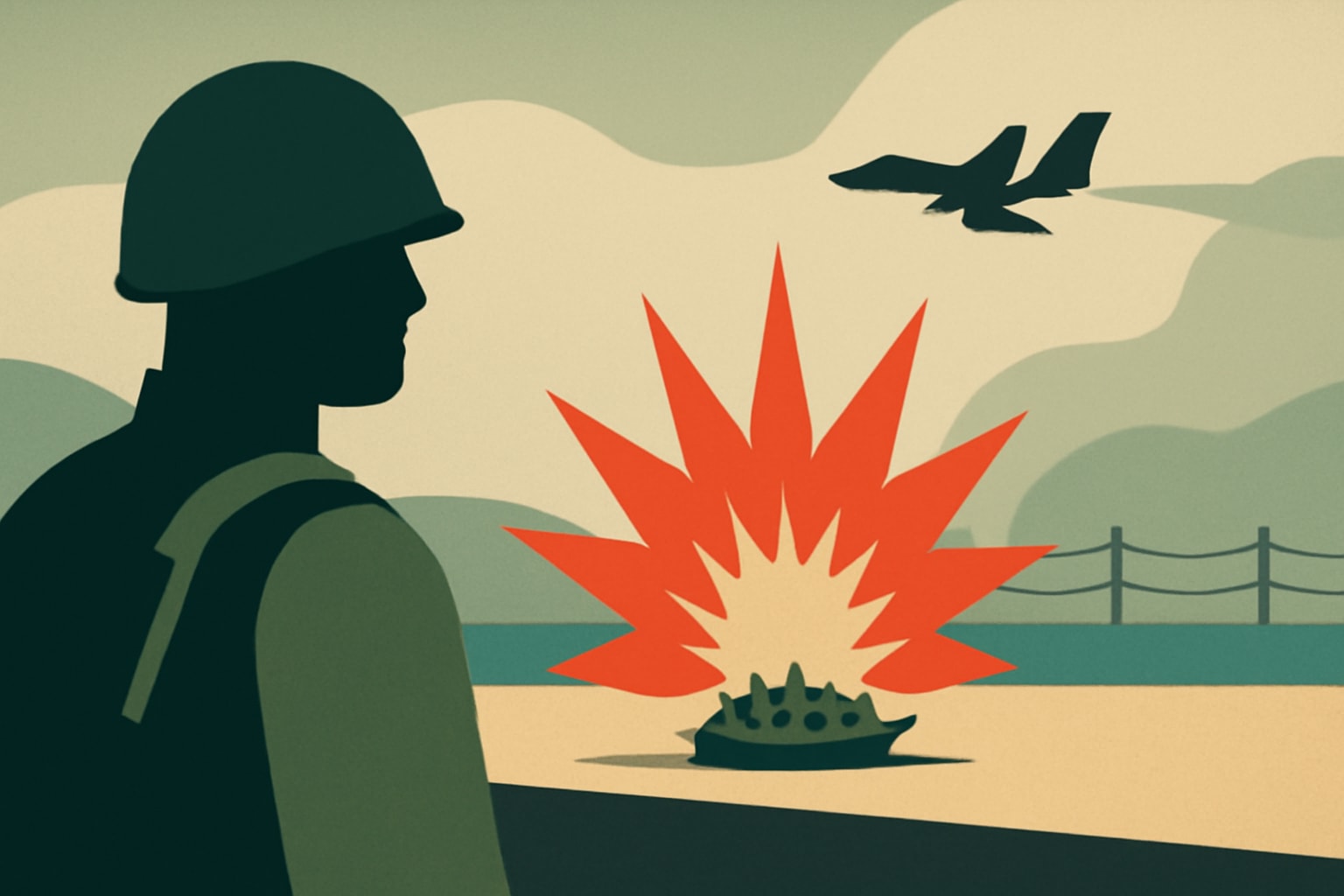
Three South Korean officers were injured in border blasts attributed to North Korean mines, raising security concerns.
What's Happening
- •Three South Korean officers were injured in explosions near the North Korean border.
- •The South's Joint Chiefs of Staff conducted an inspection of the blast site.
- •Preliminary findings suggest the explosions were caused by North Korean mines.
Why It Matters
This incident underscores the ongoing volatility of the Korean Peninsula and the persistent threat posed by North Korean military actions. For service members and their families, understanding these dynamics is crucial for personal safety and operational readiness in a high-stakes environment.
What Changes Now
- •Increased security measures are likely to be implemented along the border. This includes enhanced patrols and mine detection efforts to ensure the safety of personnel.
- •Military training programs may be updated to include specific mine awareness protocols. Service members will need to participate in these training sessions to stay informed about the risks.
- •Operational guidelines may be revised in response to this incident. Personnel should regularly check for updates from their chain of command regarding any changes.
What to Watch
- •Watch for updates from the South Korean Joint Chiefs of Staff regarding the investigation's findings. These updates will likely provide insights into the safety measures being implemented.
- •Monitor announcements about changes in training protocols for personnel stationed near the border. This could affect upcoming training schedules and requirements.
- •Keep an eye on diplomatic responses from North Korea following this incident. Their reactions may influence future military operations and border security measures.
Get the Daily Briefing
Military and veteran news that actually affects you, in your inbox each morning.
More Context
- •Incident Overview: On September 28, 2026, three South Korean officers sustained injuries from explosions that occurred near the heavily fortified border with North Korea. The South's Joint Chiefs of Staff announced that these blasts were likely caused by landmines planted by North Korean forces. This incident marks a significant escalation in tensions along the border, which has remained a flashpoint for military confrontations since the Korean War.
- •Military Response and Investigation: In response to the blasts, the South Korean military, in collaboration with the U.S.-led United Nations Command, conducted a thorough inspection of the site. The investigation aims to assess the extent of the threat posed by North Korean mines and to enhance security measures along the border. This proactive approach is crucial for ensuring the safety of military personnel stationed in the area and maintaining operational readiness.
- •Implications for Military Personnel: Active-duty service members, particularly those in the Army and Marine Corps stationed near the Korean Peninsula, should be aware of the heightened risks associated with border operations. This incident may lead to increased training and preparedness measures, focusing on mine awareness and response protocols. Service members must stay informed about any changes in operational guidelines or safety briefings issued by their commands.
- •Future Monitoring and Security Measures: The South Korean military is expected to implement enhanced surveillance and intelligence-gathering efforts along the border to prevent future incidents. This may involve increased patrols and the use of advanced detection technologies to identify potential mine threats. Service members should remain vigilant and report any suspicious activity or signs of mine presence to their superiors.
Frequently Asked Questions
Does this affect Guard members on Title 10 orders?
Yes, Guard members on Title 10 orders may find their operational environment impacted by increased tensions and security measures along the border.
Will my BAH change if I move duty stations mid-year?
Your Basic Allowance for Housing (BAH) may change if you move to a different duty station with a different BAH rate, so it's important to check the rates for your new location.
The Daily Briefing
Military & veteran news that actually affects you — delivered every morning.
- Pay, benefits & policy changes
- Pentagon decisions that matter
- VA updates for veterans & families
- One email. No spam. Unsubscribe anytime.
Related Stories
- Congress Presses Oracle on VA’s $17 Billion EHR Contract Increase— Military Times
- Air Force's Collaborative Combat Aircraft Program at Risk of Delays— Air & Space Forces Magazine
- Germany Proposes Record €140 Billion Defense Budget for 2027— Defense News
- US Army Awards Lockheed Martin $1.2 Billion Contract for PrSM— Military Times