South Korea Moves Forward with Nuclear-Powered Submarine Development
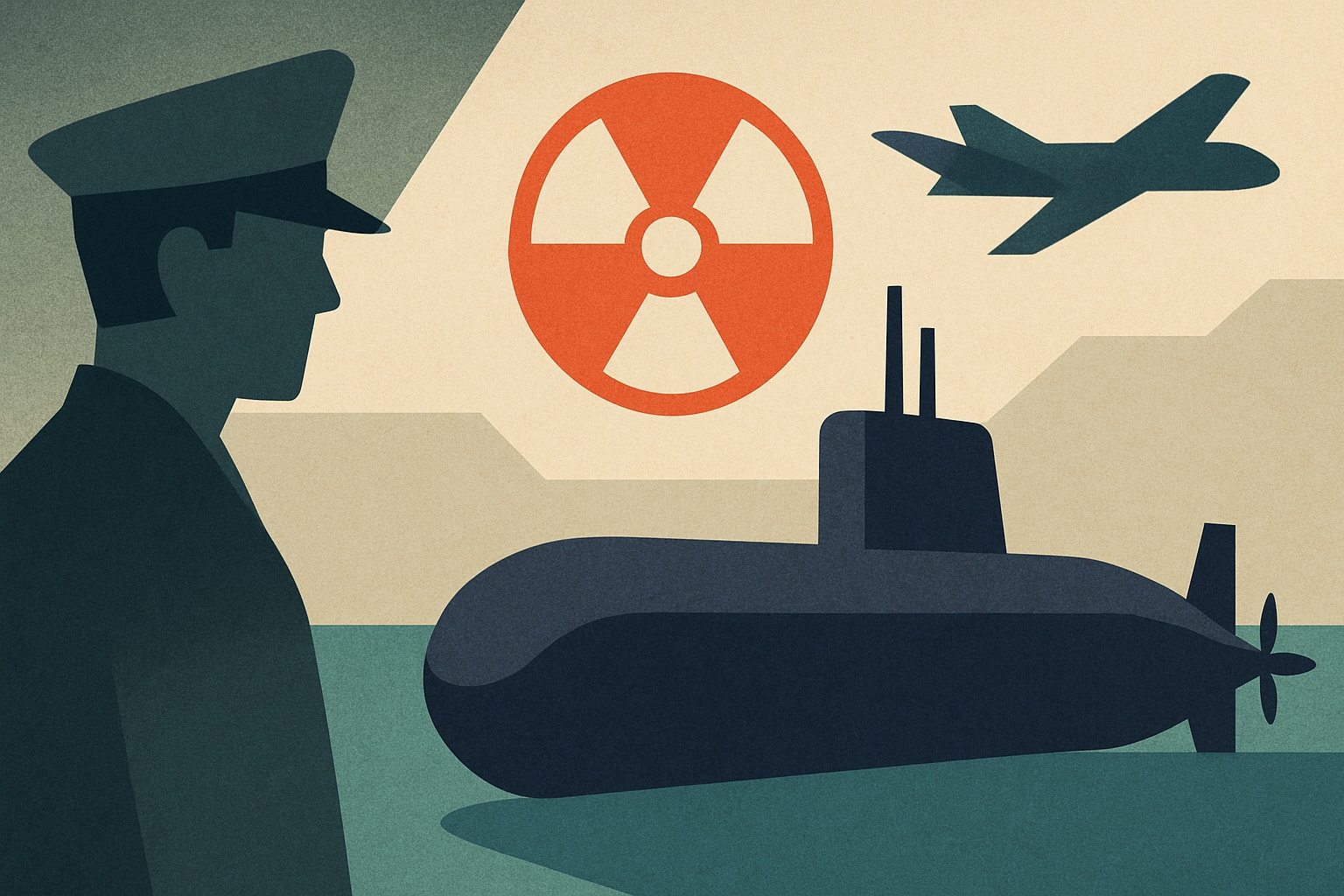
Seoul aims to launch its first nuclear submarine in the mid-2030s, marking a significant shift in its naval capabilities.
What's Happening
- •South Korea plans to launch its first nuclear-powered submarine in the mid-2030s.
- •The submarine is expected to be commissioned in the late 2030s.
- •This initiative is part of South Korea's broader strategy to enhance its naval capabilities.
Why It Matters
The advancement of South Korea's nuclear submarine program is significant for military and veteran communities as it reflects a shift in defense strategy that could impact regional security dynamics. Service members and veterans with ties to naval operations will need to understand how these developments may affect their roles and the broader defense posture in the Indo-Pacific region.
What Changes Now
- •The South Korean Navy will begin preparations for the nuclear submarine program. This includes investment in technology and training for personnel involved in submarine operations.
- •New training programs will be developed for sailors transitioning to nuclear-powered submarines. This will ensure that personnel are equipped with the necessary skills to operate advanced naval technology.
- •The timeline for launching the first submarine will influence recruitment and retention strategies within the navy. As the program progresses, the navy may seek to attract more personnel with technical expertise.
What to Watch
- •Watch for updates on the timeline for the submarine's launch and commissioning. These milestones will be critical for assessing the program's progress and impact on regional security.
- •Monitor regional responses from North Korea and other neighboring countries. Their reactions will provide insight into the geopolitical implications of South Korea's nuclear capabilities.
- •Keep an eye on training initiatives for naval personnel. The development of specialized training programs will be essential for operational readiness as the navy transitions to nuclear-powered submarines.
Get the Daily Briefing
Military and veteran news that actually affects you, in your inbox each morning.
More Context
- •Strategic Importance of Nuclear Submarines: The development of nuclear-powered submarines by South Korea represents a pivotal shift in its defense strategy. Historically reliant on conventional submarines, this move is aimed at enhancing deterrence capabilities amid regional tensions, particularly with North Korea. Nuclear submarines offer extended range and endurance, allowing South Korea to project power more effectively in the Indo-Pacific region. This capability is crucial for maintaining a balance of power and ensuring national security in a volatile geopolitical landscape.
- •Timeline and Development Plans: The South Korean government has outlined a clear timeline for its nuclear submarine program, with the first vessel expected to launch in the mid-2030s. This ambitious schedule reflects a commitment to modernizing the navy and addressing evolving security challenges. The commissioning of the submarine in the late 2030s will mark a significant milestone for the Republic of Korea Navy, as it transitions to a more advanced and capable fleet. The program will involve significant investment in technology and training to ensure operational readiness.
- •Implications for Military Personnel: The introduction of nuclear submarines will have direct implications for military personnel, particularly those in naval roles. Active duty sailors, especially those in submarine warfare specialties, will require specialized training to operate and maintain these advanced vessels. Additionally, the program may create new opportunities for career advancement and technical training within the navy. As South Korea invests in this capability, personnel will need to adapt to new technologies and operational protocols associated with nuclear propulsion.
- •Regional Reactions and Strategic Considerations: The announcement of South Korea's nuclear submarine program has elicited varied reactions from neighboring countries and global powers. While allies may view this as a strengthening of defense capabilities, adversaries like North Korea may perceive it as a direct threat, potentially escalating tensions in the region. The United States, as a key ally, is likely to support South Korea's efforts while also encouraging diplomatic measures to mitigate conflict. Monitoring regional responses will be crucial as South Korea moves forward with its plans.
Frequently Asked Questions
Does this affect Guard members on Title 10 orders?
While the primary focus is on active duty personnel, Guard members may also be involved in training and support roles related to the nuclear submarine program.
Will my BAH change if I move duty stations mid-year?
Your Basic Allowance for Housing (BAH) may change if you move to a new duty station with a different BAH rate. It's important to check the BAH rates for your new location.
Veteran Take
For those who've served in naval operations, South Korea's move towards developing nuclear-powered submarines signals a pivotal change in regional military strategy. This advancement not only enhances their defense capabilities but also reshapes the dynamics of our alliances and potential conflicts in the Indo-Pacific. Veterans navigating this will need to stay informed, as these developments could influence future military engagements and the support provided to our allies.
The Daily Briefing
Military & veteran news that actually affects you — delivered every morning.
- Pay, benefits & policy changes
- Pentagon decisions that matter
- VA updates for veterans & families
- One email. No spam. Unsubscribe anytime.
Related Stories
- Air Force Seeks Next-Gen Perimeter Air Defense Radars to Replace Aging Systems— Air & Space Forces Magazine
- AFRL Partners with Virgin Galactic to Collect Space Weather Data— Air & Space Forces Magazine
- Air Force Considers Adding Missile Warning System to F-15EX Fighter— Air & Space Forces Magazine
- Military AI Dominance: Transforming Warfighting Tactics— Federal News Network