Beach Running: Training Tips and Alternatives for Military Athletes
Maximize your military fitness with effective beach running strategies and alternative exercises to build strength and endurance.
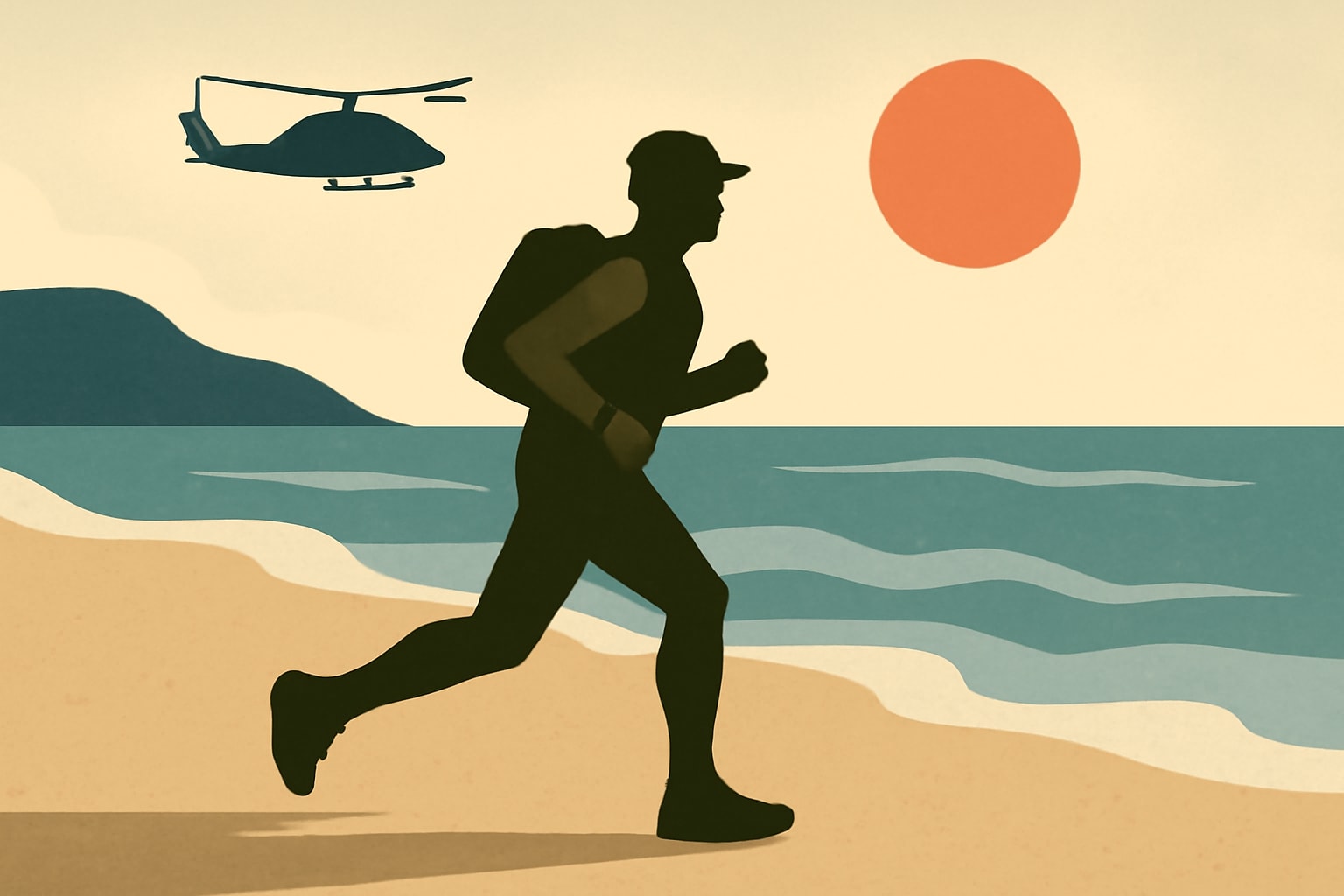
What's Happening
- •Military.com provides guidance on training for running on soft sand.
- •The article emphasizes the importance of specific exercises for stabilization.
- •Recommendations include alternatives for those without beach access.
Why It Matters
Understanding how to adapt training for beach environments is essential for military readiness. Service members who implement these strategies will be better prepared for deployments and operations in coastal regions, enhancing overall fitness and reducing injury risks.
What Changes Now
- •Training programs will now include specific exercises for beach running. This shift will help service members better prepare for coastal deployments and reduce injury risks.
- •Incorporation of alternative training methods will become standard practice. This allows military athletes to maintain fitness levels even without beach access.
- •Emphasis on proper footwear will be prioritized in training regimens. This change is crucial for minimizing injury risks during beach workouts.
What to Watch
- •Further research on optimal training techniques for soft sand environments is expected. This research will help refine training programs for military athletes.
- •The development of specialized footwear for beach running is underway. Improved footwear options could enhance performance and reduce injury risks for service members.
- •Increased focus on injury prevention strategies in military training programs is anticipated. This focus will ensure that service members remain fit and ready for diverse operational environments.
Get the Daily Briefing
Military and veteran news that actually affects you, in your inbox each morning.
More Context
- •Understanding the Challenges of Beach Running: Running on soft sand presents unique challenges compared to traditional surfaces. The instability of the sand demands greater effort from leg muscles, which can lead to increased energy expenditure and a heightened risk of injury. For military athletes, this means adapting training programs to account for these factors, ensuring they do not overexert themselves. Proper warm-up and cool-down routines are essential to mitigate these risks and prepare the body for the demands of beach workouts.
- •Essential Exercises for Beach Running Preparation: To effectively prepare for beach running, specific exercises can enhance the muscles used for stabilization and propulsion. Recommended exercises include calf raises, hamstring curls, and glute bridges, which strengthen the lower body and improve balance. Additionally, incorporating plyometric movements such as jump squats and lunges can boost explosive power and agility, crucial for navigating uneven beach terrain. These targeted workouts help military athletes build the necessary strength and endurance for successful performance on soft sand.
- •Alternatives for Beach Running Training: For those without regular access to a beach, alternative training methods can simulate the effects of running on soft sand. Using a treadmill with an incline setting can effectively mimic the resistance found on a beach, while balance boards or BOSU balls can enhance stability and proprioception. These alternatives allow military athletes to gain similar benefits to beach running, ensuring they can maintain their fitness levels even when a beach is not accessible. This adaptability is crucial for service members who may face varying training environments.
- •Footwear Considerations for Beach Workouts: Choosing the right footwear is critical for beach running. Lightweight and flexible shoes with good traction can enhance performance and minimize injury risks. It's essential to select shoes that provide adequate support and cushioning while allowing natural foot movement. Additionally, wearing compression socks may improve circulation and reduce muscle fatigue during and after workouts. Proper footwear ensures that military athletes can train effectively while protecting themselves from potential injuries.
- •Gradual Progression and Injury Prevention: Gradually increasing the intensity and duration of beach workouts is vital for adapting to the demands of soft sand running. Starting with shorter runs and slowly increasing distance and speed can help prevent overuse injuries. Listening to one's body and incorporating rest days when needed is crucial for long-term success. By adhering to these principles, military athletes can enhance their fitness levels while reducing the risk of injuries, ensuring they remain prepared for various military operations.
Veteran Take
For those who've served, the unique challenges of beach running can mirror the unpredictability of military life. Training on soft sand not only builds physical strength but also reinforces the mental resilience we developed in service. Embracing these strategies can help veterans maintain peak fitness levels, ensuring we're always ready for whatever comes next.
The Daily Briefing
Military & veteran news that actually affects you — delivered every morning.
- Pay, benefits & policy changes
- Pentagon decisions that matter
- VA updates for veterans & families
- One email. No spam. Unsubscribe anytime.
Related Stories
- Service Members: Time to Act for Absentee Voting in November Election— Military Times
- Oshkosh Begins Production of Dutch Military Patrol Vehicle Prototype— Defense News
- DEFCON Levels Explained: What Each Alert Stage Means for Military Readiness— Military.com
- China's Military Training Site in Laos Raises Concerns for U.S. Forces— Military Times