Small Nuclear Reactors Offer Hope for Military Base Power Independence
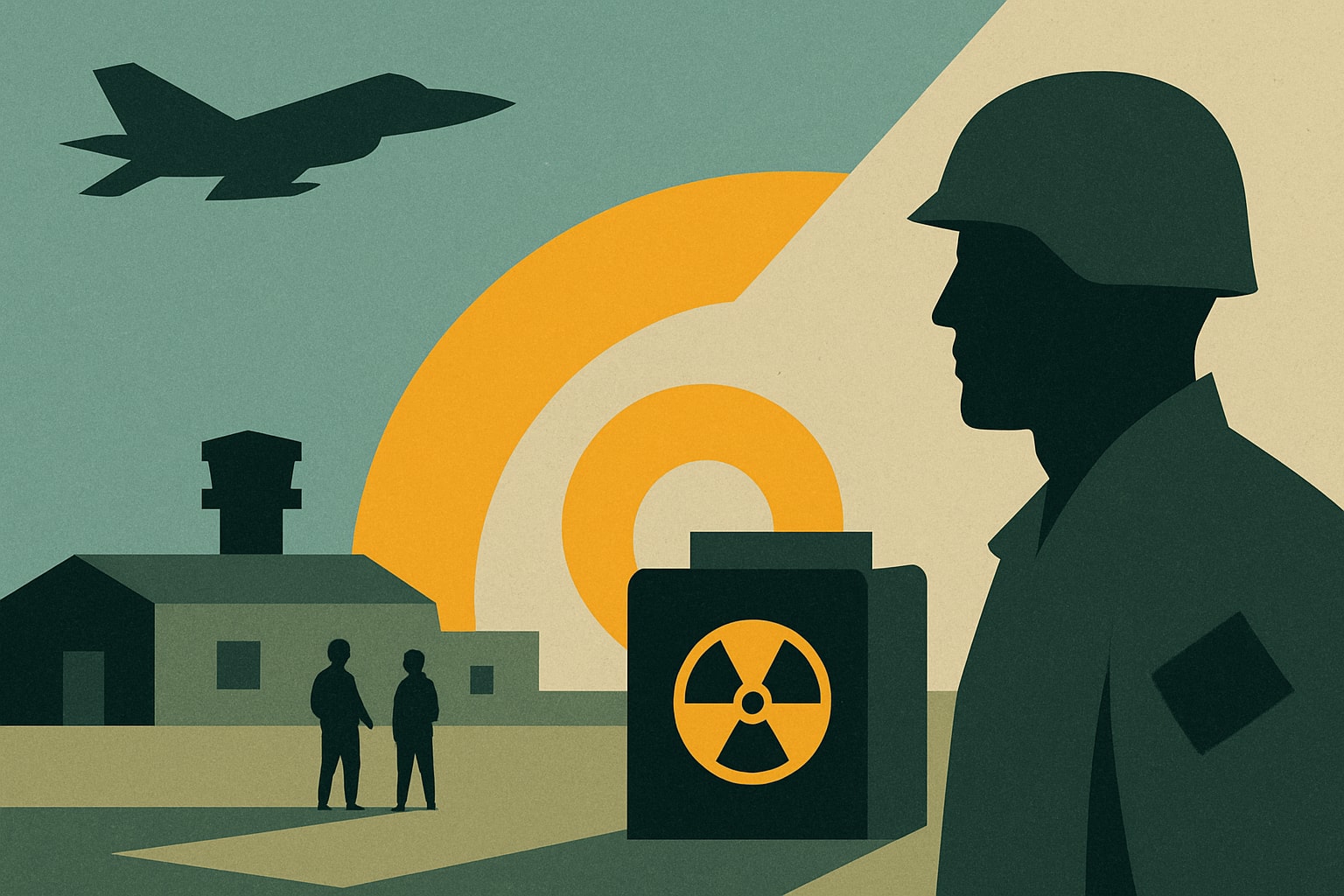
Small nuclear reactors could enable military installations to sustain operations independently for up to two weeks without external power.
What's Happening
- •The military is exploring small nuclear reactors for energy independence.
- •These reactors could allow bases to operate for up to two weeks without external power.
- •This initiative aims to enhance resilience against power outages and cyber threats.
Why It Matters
The integration of small nuclear reactors into military operations represents a significant advancement in energy security for military installations. This technology not only supports mission readiness but also prepares bases for potential future challenges related to energy supply disruptions.
What Changes Now
- •The military is moving forward with plans to evaluate small nuclear reactors for base operations. This change is crucial as it addresses vulnerabilities in current energy supply systems.
- •Service members in logistics and operational roles will need to adapt to new energy management practices. Training will likely evolve to include the operation and maintenance of these reactors.
- •Pilot programs for small nuclear reactors are expected to launch within the next few years. This timeline is important for service members as it may influence future deployments and operational capabilities.
What to Watch
- •The Department of Defense's pilot programs for small nuclear reactors will begin soon. These programs will provide critical data on the feasibility and safety of reactor operations at military bases.
- •Future assessments of energy resilience will be conducted following the pilot programs. The outcomes will determine the broader implementation of nuclear technology across military installations.
- •Updates on regulatory approvals for reactor deployment will be crucial. Stakeholders should pay attention to decisions made by the Nuclear Regulatory Commission and other governing bodies.
Get the Daily Briefing
Military and veteran news that actually affects you, in your inbox each morning.
More Context
- •The Need for Energy Resilience: Military installations increasingly face challenges related to energy security, especially in remote locations or during natural disasters. Traditional power sources can be vulnerable to outages, which can disrupt operations and mission readiness. By integrating small nuclear reactors, the military aims to ensure that bases remain operational during crises, thereby enhancing overall force readiness.
- •Operational Implications for Service Members: Active duty personnel, particularly those in roles related to logistics and operations, will benefit from the enhanced energy independence provided by these reactors. For example, soldiers in the 92Y Supply Specialist MOS will have more reliable power for critical systems, which can improve efficiency and safety during missions. This shift could also influence training protocols, as service members will need to adapt to new energy management practices.
- •Implementation Timeline and Future Considerations: The Department of Defense is currently evaluating the feasibility of deploying small nuclear reactors at various installations. Initial pilot programs are expected to begin within the next few years, with assessments of operational performance and safety protocols. Stakeholders should monitor these developments closely, as successful implementation could lead to broader adoption across the military landscape.
Frequently Asked Questions
Does this affect Guard members on Title 10 orders?
Yes, Guard members on Title 10 orders may benefit from enhanced energy security at bases where small nuclear reactors are implemented.
Will my training change with the introduction of nuclear reactors?
Yes, training may evolve to include new protocols for managing and operating small nuclear reactors at military installations.
Veteran Take
For those who've served, the reliability of power on base is crucial for operational effectiveness. The idea of small nuclear reactors could mean that our installations are better prepared for unexpected challenges, allowing us to focus on our missions without the worry of energy disruptions. This advancement not only enhances our readiness but also reflects a forward-thinking approach to the unique demands of military life.
The Daily Briefing
Military & veteran news that actually affects you — delivered every morning.
- Pay, benefits & policy changes
- Pentagon decisions that matter
- VA updates for veterans & families
- One email. No spam. Unsubscribe anytime.
Related Stories
- Air Force Seeks Next-Gen Perimeter Air Defense Radars to Replace Aging Systems— Air & Space Forces Magazine
- AFRL Partners with Virgin Galactic to Collect Space Weather Data— Air & Space Forces Magazine
- Navy F/A-18F Returns from Iran with New ‘Sub Buster’ Markings— Task & Purpose
- North Korea Test-Fires Intermediate-Range Missile Amid Rising Tensions— Military.com