Army Reservist's Free Speech Lawsuit Against Military Protest Policy Goes to Trial
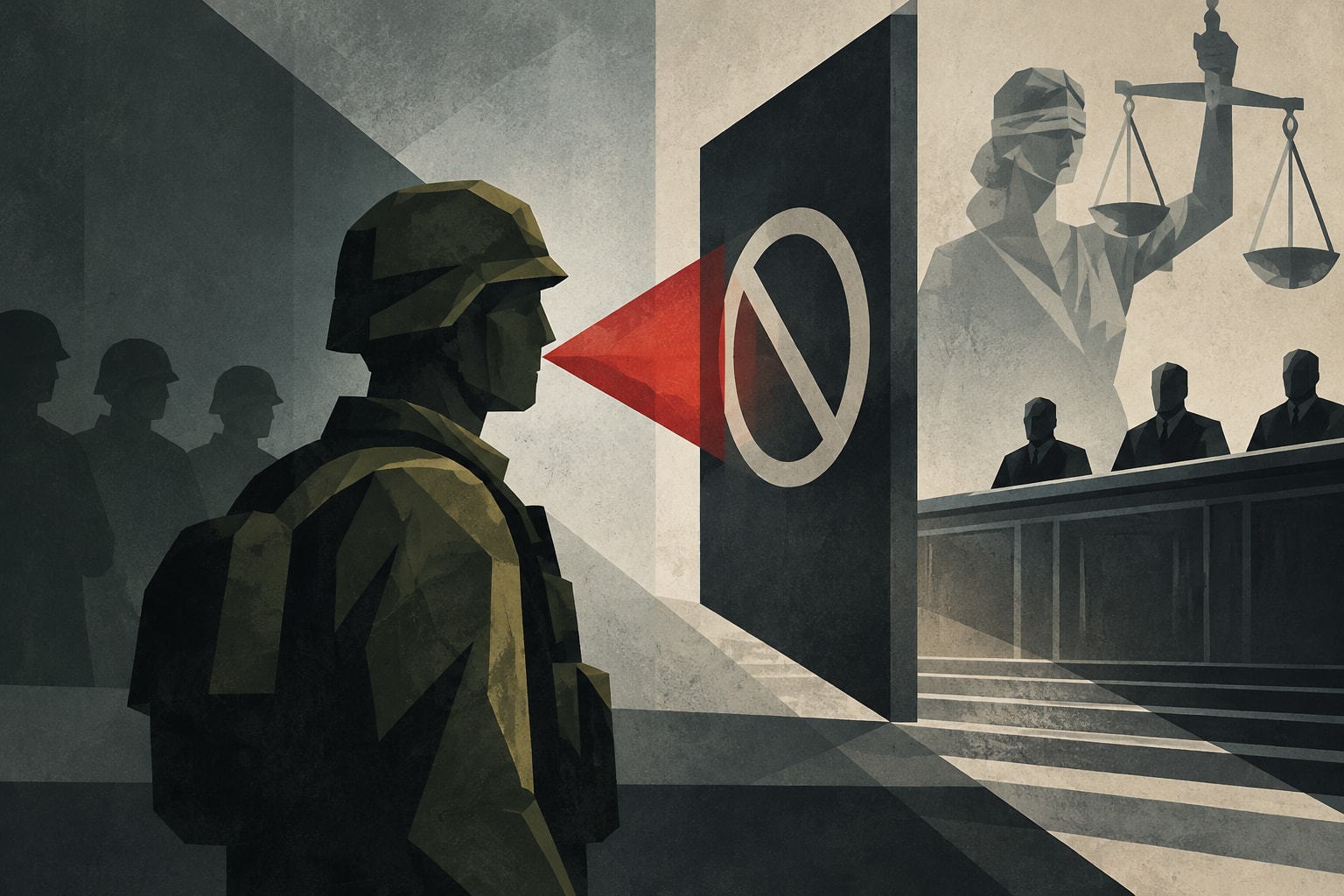
Maj. Alan Kennedy's six-year legal battle over military protest rights is finally reaching the courtroom, potentially reshaping free speech for service members.
What's Happening
- •Maj. Alan Kennedy's lawsuit against the Army's protest policy is set to go to trial.
- •The lawsuit challenges the authority of commanders to restrict service members' rights to protest.
- •Kennedy has been pursuing this case for six years, emphasizing the importance of free speech.
Why It Matters
The outcome of Maj. Kennedy's lawsuit could significantly impact the rights of service members regarding free speech and protest. For many in the military, particularly junior enlisted personnel, the ability to express dissenting views without fear of retaliation is crucial for morale and personal integrity.
What Changes Now
- •The trial is scheduled to begin soon, marking a pivotal moment for military free speech rights. This change is significant for all service members who may wish to express their views publicly.
- •Service members may now have an opportunity to voice their concerns regarding protest policies without fear of retribution. This could empower more individuals to engage in civic activities, knowing that legal protections may be strengthened.
- •The outcome of this trial could influence future military policies regarding free speech and protest. If the ruling favors Kennedy, it may lead to a reevaluation of existing policies that restrict service members' rights.
What to Watch
- •The trial's start date, which will be announced shortly. This timeline is crucial for service members and advocates who want to follow the case closely.
- •Potential rulings on pre-trial motions that could shape the trial's proceedings. These decisions may affect the scope of the case and the evidence presented.
- •Responses from military leadership regarding the lawsuit's implications. Their statements may provide insight into how the military plans to address free speech issues moving forward.
Get the Daily Briefing
Military and veteran news that actually affects you, in your inbox each morning.
More Context
- •Background of the Lawsuit: Maj. Alan Kennedy, an Army reservist, initiated his lawsuit in response to a military policy that grants commanders significant authority over service members' rights to engage in peaceful protests. This policy has raised concerns among various ranks within the military, particularly those who feel their freedom of expression is being curtailed. The case has garnered attention not only for its implications on free speech but also for the broader impact it may have on military culture and the relationship between service members and their superiors.
- •Implications for Military Personnel: If Kennedy's lawsuit is successful, it could lead to a reevaluation of how military policies govern the rights of service members to express their opinions publicly. This is particularly relevant for junior enlisted personnel, including E-4 to E-6 ranks, who may feel pressured to conform to the views of their superiors. The outcome of this case may set a precedent that could either reinforce or diminish the rights of service members to engage in civic activities without fear of repercussion.
- •What This Means for Future Policy: The trial's outcome could prompt the Department of Defense to reassess existing policies regarding free speech and protest rights within the military. Should the court rule in favor of Kennedy, it may encourage other service members to challenge restrictive policies, potentially leading to a shift in military culture towards greater acceptance of individual expression. Conversely, a ruling against Kennedy could solidify the current framework, leaving service members with limited recourse to express dissenting opinions.
- •Next Steps and Monitoring the Trial: As the trial approaches, service members and advocates for military free speech should closely monitor developments in the courtroom. Key dates, including the trial start date and any preliminary hearings, will be critical for those interested in the implications of this case. Additionally, organizations focused on military rights may provide updates and resources for service members looking to understand their rights in light of the trial's outcome.
Frequently Asked Questions
Does this affect Guard members on Title 10 orders?
Yes, if the ruling impacts military protest policies, it could apply to all service members, including those on Title 10 orders.
Will my rights change if I am deployed?
Your rights regarding free speech may be influenced by the outcome of this lawsuit, regardless of your deployment status.
How can I stay updated on the trial?
You can follow military news outlets and advocacy groups focused on service member rights for the latest updates on the trial.
The Daily Briefing
Military & veteran news that actually affects you — delivered every morning.
- Pay, benefits & policy changes
- Pentagon decisions that matter
- VA updates for veterans & families
- One email. No spam. Unsubscribe anytime.
Related Stories
- Army to Detonate U.S. Stockpile of Bomb-Making Chemicals in Iowa Before Thanksgiving— Federal News Network
- Ford in Talks with Pentagon to Supply Military Vehicles— Military Times
- Acting Navy Secretary Reframes Suicide Attempts as 'Mitigations'— Task & Purpose
- Army Sergeant Pleads Guilty in Plot to Sell Military Secrets to China— Military Times