Engine Fires in Navy and Marine Corps Aircraft Prompt Emergency Landings
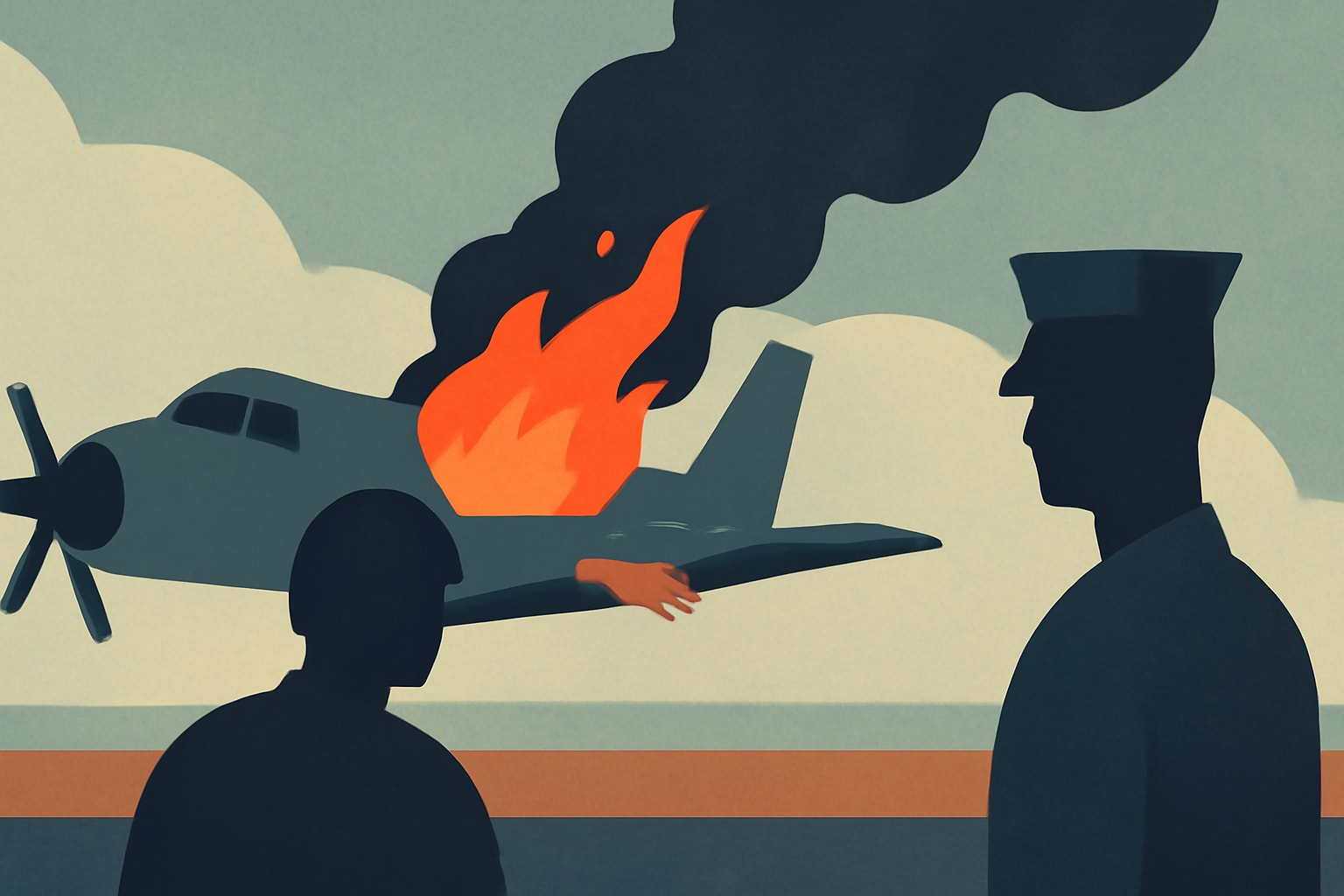
Three separate engine fires in U.S. naval aviation this summer resulted in emergency landings, raising concerns over aircraft safety and readiness.
What's Happening
- •Three U.S. Navy and Marine Corps aircraft experienced in-flight engine fires this summer.
- •The incidents led to emergency landings and significant damage, costing millions.
- •These events have raised concerns regarding the safety and reliability of naval aviation.
Why It Matters
The recent engine fires in Navy and Marine Corps aircraft are significant for military readiness and safety. For service members and veterans, these incidents highlight the ongoing challenges in maintaining operational capabilities and the importance of rigorous maintenance protocols.
What Changes Now
- •Aircraft maintenance protocols may be reviewed and updated following the incidents. This change is crucial for ensuring the safety and reliability of naval aviation.
- •Training schedules could be adjusted based on aircraft availability due to repairs. Active duty pilots and maintenance crews should prepare for potential delays in their operational timelines.
- •Increased scrutiny on aircraft inspections may lead to more frequent checks. This will directly affect maintenance personnel and their workload in the coming months.
What to Watch
- •Investigative reports on the engine fires will be released in the coming weeks. These reports will provide insights into the causes and necessary corrective actions.
- •Updates regarding changes to maintenance protocols are expected from naval leadership. Service members should stay informed through official communications to understand how this affects their operations.
- •Potential budget impacts due to repair costs may influence future funding for aviation programs. This could affect resource allocation for training and operational readiness.
Get the Daily Briefing
Military and veteran news that actually affects you, in your inbox each morning.
More Context
- •Overview of the Incidents: This summer, U.S. naval aviation faced a troubling series of events with three separate in-flight engine fires. Each incident forced emergency landings, highlighting potential safety issues within the fleet. The aircraft involved were critical to various operations, and the fires have raised alarms about maintenance protocols and operational readiness. The incidents resulted in substantial financial losses, estimated in the millions, which could impact future budgets and readiness assessments.
- •Impact on Aircraft Readiness: The engine fires directly affect the operational readiness of affected aircraft, which include key models used by both the Navy and Marine Corps. With the potential for extended downtimes during repairs and inspections, units may face challenges in meeting mission requirements. This situation is particularly concerning for active-duty pilots and maintenance crews who rely on these aircraft for training and operational missions. The readiness of the fleet is critical, especially in times of heightened global tensions.
- •Future Implications and Monitoring: As the Navy and Marine Corps investigate these incidents, service members should remain informed about any changes to flight operations or maintenance procedures. The findings could lead to revised safety protocols or equipment upgrades aimed at preventing similar occurrences in the future. Additionally, service members should monitor updates from their chain of command regarding any impacts on training schedules or aircraft availability. Understanding these changes is vital for maintaining mission readiness.
Frequently Asked Questions
Will my unit's training schedule change due to these incidents?
Yes, units may experience adjustments in their training schedules based on aircraft availability for repairs and inspections.
Are there new safety protocols being implemented?
Investigations are ongoing, and new safety protocols may be introduced to prevent similar incidents in the future.
How can I stay informed about changes related to these incidents?
Stay connected with your chain of command and monitor official communications for updates on maintenance and operational changes.
The Daily Briefing
Military & veteran news that actually affects you — delivered every morning.
- Pay, benefits & policy changes
- Pentagon decisions that matter
- VA updates for veterans & families
- One email. No spam. Unsubscribe anytime.
Related Stories
- Congress Presses Oracle on VA’s $17 Billion EHR Contract Increase— Military Times
- Air Force's Collaborative Combat Aircraft Program at Risk of Delays— Air & Space Forces Magazine
- SOCOM Nutrition App Aims to Optimize Performance and Lethality— Army Times
- The Army Must Tackle Its Logistics Challenges Before the Next Conflict— Military Times