Senate Appropriators Constrain USAF’s Fighter Plans
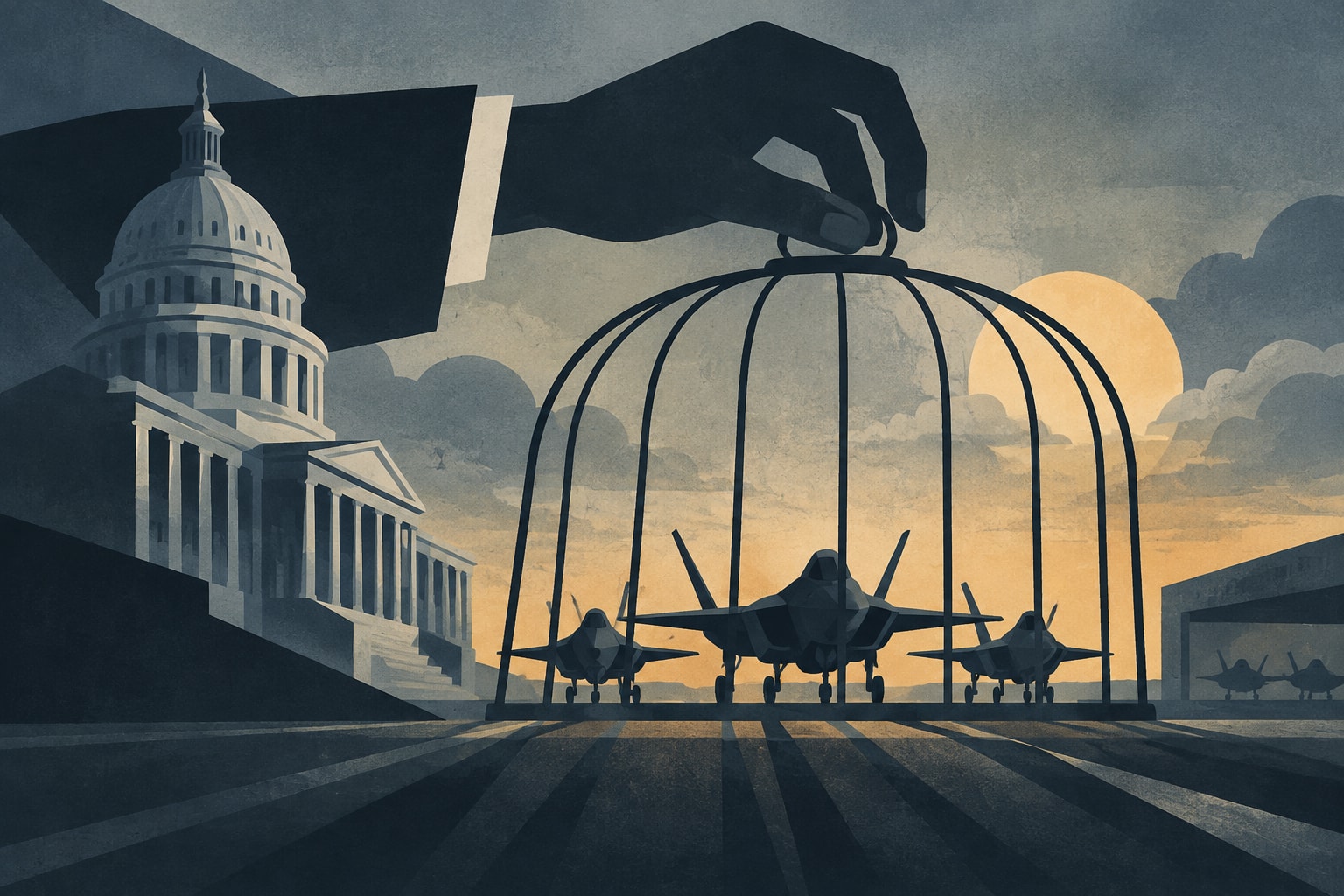
The Senate Appropriations Committee has restricted funding for key USAF fighter jet programs, affecting future procurement strategies.
What's Happening
- •The Senate Appropriations Committee has rejected multiyear procurement for the F-35A and F-15EX.
- •Funding for advanced semi-autonomous drones has been reduced significantly.
- •Development funds for the Air Force's future F-47 fighter have also been constrained.
Why It Matters
These funding decisions by the Senate Appropriations Committee directly affect the USAF's ability to modernize its fleet and maintain air superiority. For active-duty service members and veterans, the implications of these changes could impact operational readiness and the effectiveness of future missions.
What Changes Now
- •The rejection of multiyear procurement means the USAF will have to seek funding on a yearly basis for the F-35A and F-15EX. This could lead to budgetary uncertainty and potential delays in aircraft delivery schedules.
- •With reduced funding for advanced drones, current and future drone operations may face limitations in capabilities. This could affect missions that rely heavily on drone support for intelligence and reconnaissance.
- •The constraints on the F-47 fighter development could lead to a longer timeline for its introduction into service. This delay may leave the USAF without a next-generation aircraft to counter emerging threats in the near future.
What to Watch
- •Monitor the upcoming defense bill discussions in Congress for potential amendments. These discussions could alter funding allocations and impact the USAF's procurement plans.
- •Watch for announcements from the USAF regarding adjustments to its fighter jet acquisition strategy. Changes in strategy could indicate how the service plans to address funding shortfalls.
- •Keep an eye on the development timeline for the F-47 fighter as funding constraints are evaluated. Any updates will provide insight into the future capabilities of the USAF.
Get the Daily Briefing
Military and veteran news that actually affects you, in your inbox each morning.
More Context
- •Impact on Fighter Jet Procurement: The Senate Appropriations Committee's decision to reject multiyear procurement for the F-35A and F-15EX has significant implications for the USAF's long-term planning. This decision could lead to delays in the acquisition of these critical aircraft, which are essential for maintaining air superiority. The F-35A, known for its stealth capabilities, and the F-15EX, designed to enhance air combat capabilities, are both pivotal to the USAF's strategy. Without the ability to secure these aircraft through multiyear contracts, the Air Force may face budgetary constraints that limit its operational readiness and modernization efforts.
- •Funding Cuts to Drone Programs: The committee's funding cuts to advanced semi-autonomous drone programs further complicate the USAF's modernization efforts. These drones are intended to enhance intelligence, surveillance, and reconnaissance capabilities, which are increasingly vital in modern warfare. By limiting funding, the Senate is signaling a potential slowdown in the development and deployment of these technologies, which could hinder the USAF's ability to adapt to evolving combat scenarios. As the military landscape changes, the need for advanced drone capabilities becomes more pressing, making these cuts particularly concerning for future operations.
- •Future of the F-47 Fighter Development: The constraints on development funds for the future F-47 fighter raise questions about the USAF's long-term strategy. The F-47 is expected to be a next-generation aircraft that incorporates advanced technologies and capabilities, essential for countering emerging threats. With reduced funding, the timeline for its development may be extended, potentially leaving the USAF without a necessary upgrade to its fleet in the coming years. This delay could impact not only operational capabilities but also the morale of personnel who rely on cutting-edge technology to perform their missions effectively.
Frequently Asked Questions
Does this affect Guard members on Title 10 orders?
Yes, the funding cuts may impact the availability and readiness of aircraft used by Guard members on Title 10 orders.
Will my BAH change if I move duty stations mid-year?
BAH rates are typically adjusted based on your new duty station, so a move could result in a change to your BAH.
The Daily Briefing
Military & veteran news that actually affects you — delivered every morning.
- Pay, benefits & policy changes
- Pentagon decisions that matter
- VA updates for veterans & families
- One email. No spam. Unsubscribe anytime.
Related Stories
- B-2 Pilots Share Insights on Operation Midnight Hammer— Air & Space Forces Magazine
- US Military Drones Face 2027 Limits on Chinese Magnets as Production Ramps Up— Military.com
- First F-15EX Fighter Arrives at Kadena, Ending Fighter Rotations— Air & Space Forces Magazine
- USS Spruance and USS Michael Murphy Return from Extended Combat Deployments— Military Times