Saildrone Announces New USV Class Aimed at Anti-Submarine Warfare
The Spectre class of unmanned surface vessels is set for sea trials in early 2027, enhancing naval capabilities.
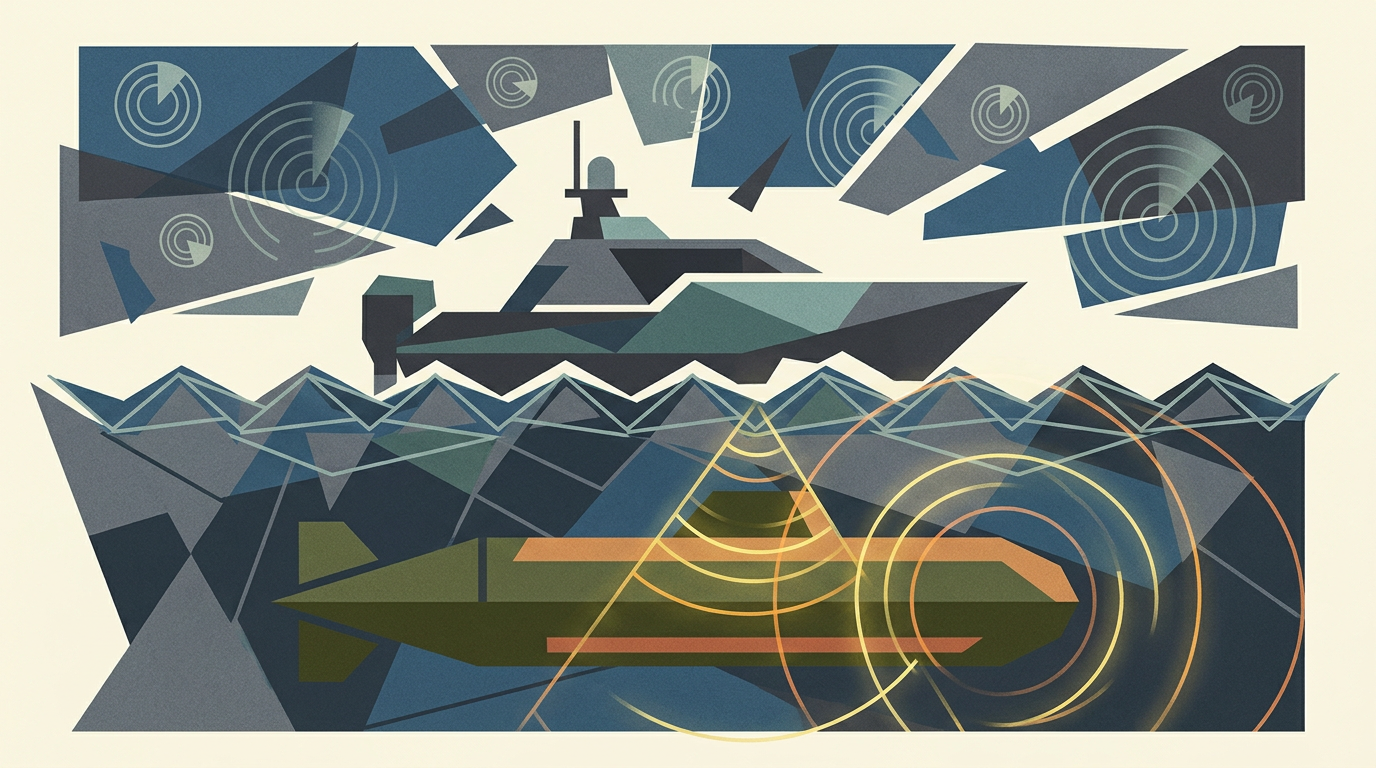
What's Happening
- •Saildrone has announced the development of a new class of unmanned surface vessels (USVs) called Spectre.
- •The Spectre class is specifically designed for anti-submarine warfare operations.
- •Sea trials for the new USV class are scheduled to begin in early 2027.
Why It Matters
The introduction of the Spectre class USVs is a critical development for the U.S. Navy and allied forces in the realm of anti-submarine warfare. As submarine threats evolve, enhancing detection and response capabilities is vital for maintaining maritime security and operational superiority.
What Changes Now
- •The announcement of the Spectre class marks a significant step in naval technology development. This change will impact how the Navy approaches anti-submarine warfare strategies moving forward.
- •Sea trials set for early 2027 will test the capabilities of the new USV class. Successful trials could lead to increased funding and deployment of similar technologies across the Navy.
- •The integration of AI and advanced sensors in the Spectre class will redefine operational protocols. This shift will require training for personnel to effectively utilize the new technology.
What to Watch
- •The upcoming sea trials in early 2027 will be crucial for assessing the Spectre class's effectiveness. The outcomes will determine the future deployment of these vessels in naval operations.
- •Monitoring responses from naval leadership regarding the trial results will provide insights into future investments in unmanned technologies. Decisions made post-trials could influence the Navy's strategic direction.
- •The development of additional features based on trial feedback will be essential. Stakeholders will be eager to see how the Spectre class evolves to meet emerging threats.
Get the Daily Briefing
Military and veteran news that actually affects you, in your inbox each morning.
More Context
- •Overview of the Spectre Class: The Spectre class represents a significant advancement in unmanned maritime technology, focusing on enhancing the capabilities of naval forces in anti-submarine warfare. With the growing threat of submarine warfare, the introduction of this class of USVs aims to provide a strategic edge. These vessels are designed to operate autonomously, utilizing advanced sensors and AI to detect and track submarines effectively.
- •Technological Features: Equipped with cutting-edge technology, the Spectre class USVs will feature sophisticated sonar systems and surveillance tools. These capabilities will enable real-time data collection and analysis, allowing naval forces to respond swiftly to submarine threats. The integration of AI will enhance decision-making processes, making these vessels invaluable assets in modern naval operations.
- •Implications for Naval Operations: The introduction of the Spectre class USVs is expected to transform naval operations, particularly in areas with high submarine activity. By deploying these vessels, the Navy can extend its operational reach and improve maritime security. This development is crucial as nations increasingly invest in submarine technology, emphasizing the need for effective countermeasures.
- •Future Developments: As the Spectre class undergoes sea trials, further enhancements and operational strategies will likely emerge. The results from these trials will provide insights into the vessel's performance and adaptability in various maritime environments. Stakeholders will be closely monitoring these developments to gauge the effectiveness of the Spectre class in real-world scenarios.
Veteran Take
For those who've served, the advancement of unmanned surface vessels like the Spectre class represents a significant leap in our naval capabilities. As threats from submarines grow more sophisticated, having reliable technology to enhance detection and response is crucial for our maritime security. Veterans navigating this evolving landscape understand the importance of staying ahead of potential adversaries and the role these innovations play in protecting our interests.
The Daily Briefing
Military & veteran news that actually affects you — delivered every morning.
- Pay, benefits & policy changes
- Pentagon decisions that matter
- VA updates for veterans & families
- One email. No spam. Unsubscribe anytime.
Related Stories
- Air Force Successfully Tests New Sentinel ICBM Reentry Vehicle— Air & Space Forces Magazine
- B-2 Stealth Bomber Returns to Whiteman AFB After Depot Maintenance— Air & Space Forces Magazine
- French Artillery Regiment Reorganizes to Counter Drone Threats— Defense News
- Forterra Launches OASIS-OneLink for Unified Control of Autonomous Systems— Military Times