Russian Strikes Kill 20, Exposing Ukraine’s Air-Defense Shortage
Recent Russian missile strikes in Ukraine have underscored the urgent need for enhanced air defense systems as casualties rise.
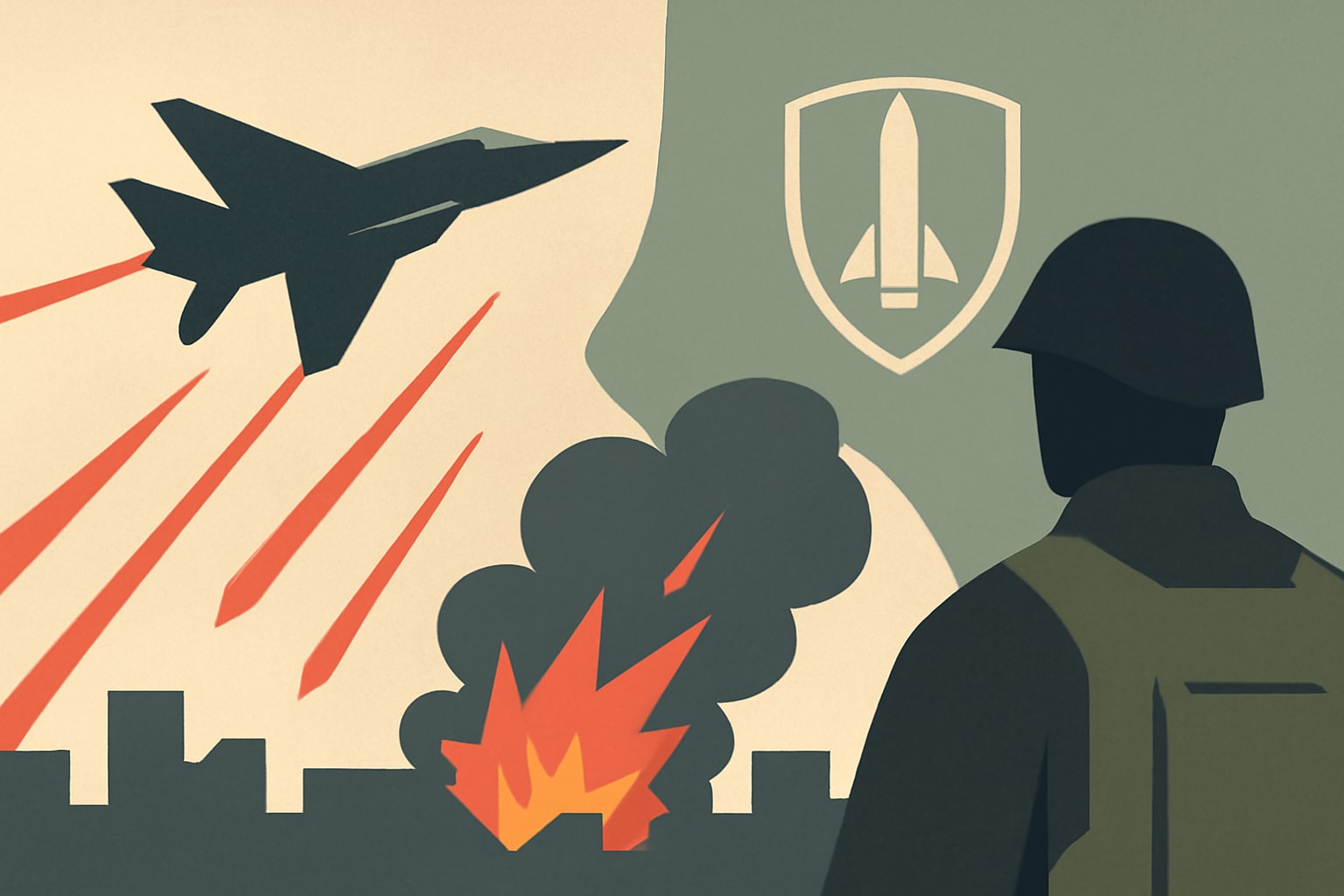
What's Happening
- •Recent Russian missile strikes in Ukraine resulted in the deaths of 20 individuals.
- •Ukrainian President Volodymyr Zelenskyy has called for more interceptors to bolster air defense.
- •The attacks have highlighted significant gaps in Ukraine's air defense capabilities.
Why It Matters
The recent Russian missile strikes illustrate the pressing need for improved air defense systems in Ukraine, a situation that resonates with military personnel and veterans. For those in the defense community, understanding these developments is crucial for assessing future military readiness and potential impacts on U.S. and allied forces.
What Changes Now
- •Ukraine's military will likely prioritize securing additional air defense interceptors. This change is critical for enhancing their capability to counter aerial threats and protect civilian lives.
- •International allies may expedite military aid packages in response to Ukraine's urgent requests. This could lead to quicker deployment of advanced defense systems to the region.
- •Military families may experience shifts in deployment schedules as the situation evolves. Understanding these changes is essential for families to prepare for potential relocations or extended service commitments.
What to Watch
- •Monitor the timeline for international responses to Ukraine's interceptor requests. Decisions made by NATO and allied nations will significantly impact Ukraine's defense capabilities.
- •Watch for updates on military aid packages being discussed in international forums. The effectiveness of these packages will be crucial for Ukraine's immediate defense needs.
- •Keep an eye on the performance of newly acquired air defense systems in real-world scenarios. Their effectiveness will shape future military strategies and engagements.
Get the Daily Briefing
Military and veteran news that actually affects you, in your inbox each morning.
More Context
- •The Impact of Recent Strikes: On July 6, 2026, Russian missile strikes targeted various locations in Ukraine, resulting in the tragic loss of 20 lives. These attacks have raised alarms regarding the effectiveness of Ukraine's current air defense systems, which have struggled to intercept ballistic projectiles effectively. The ongoing conflict has put immense pressure on Ukraine's military resources, revealing critical vulnerabilities that could affect both civilian safety and military operations.
- •Calls for Increased Military Support: In response to the recent attacks, President Zelenskyy has urgently requested additional interceptors from international allies. The current air defense systems in Ukraine are insufficient to counter the advanced missile technology employed by Russia. This plea for support is not just a matter of national security; it reflects a broader need for military readiness in the face of persistent threats. The response from NATO and other allies will be crucial in determining Ukraine's ability to defend itself effectively.
- •Implications for Military Families and Veterans: The ongoing conflict in Ukraine has implications that extend beyond the battlefield, affecting military families and veterans worldwide. As the situation evolves, service members from various branches may face increased deployments or shifts in mission focus related to European security. Veterans, particularly those with experience in air defense roles, may find their skills in demand as military planners reassess strategies to counter aerial threats. Understanding these dynamics is essential for families preparing for potential changes in service commitments.
- •What’s Next for Ukraine’s Defense Strategy: As Ukraine continues to face aerial threats, the focus will shift toward enhancing its air defense capabilities. The timeline for receiving additional interceptors will depend on the speed of international negotiations and military logistics. Stakeholders will be closely monitoring the responses from NATO and other allies, as their support will significantly impact Ukraine's defense strategy moving forward. Additionally, the effectiveness of newly acquired systems will be tested in real-time scenarios, shaping future military engagements.
Frequently Asked Questions
Will my deployment change due to the situation in Ukraine?
Yes, there may be adjustments to deployment schedules based on the evolving security situation in Europe.
How will this affect military readiness in the U.S.?
The situation may prompt reassessments of U.S. military readiness and resource allocation to support allies.
Veteran Take
For those who've served, the tragic loss of life in Ukraine is a stark reminder of the importance of robust air defense capabilities. We've seen firsthand how vulnerable communities can be when they lack the necessary protection against aerial threats. Veterans navigating this will understand that investing in effective defense systems is not just about immediate safety, but also about ensuring long-term stability in regions facing aggression.
The Daily Briefing
Military & veteran news that actually affects you — delivered every morning.
- Pay, benefits & policy changes
- Pentagon decisions that matter
- VA updates for veterans & families
- One email. No spam. Unsubscribe anytime.
Related Stories
- Air Force Successfully Tests New Sentinel ICBM Reentry Vehicle— Air & Space Forces Magazine
- B-2 Stealth Bomber Returns to Whiteman AFB After Depot Maintenance— Air & Space Forces Magazine
- BAE Systems Unveils New Layered Air-Defense System— Military Times
- Army Activates Its Fourth Multi-Domain Task Force at Fort Carson— Task & Purpose