US Military Claims Russian Satellite Approached American Spacecraft Like a Weapon
The US military has expressed concerns over Russian satellite activity near American spacecraft, suggesting potential aggressive intentions.
What's Happening
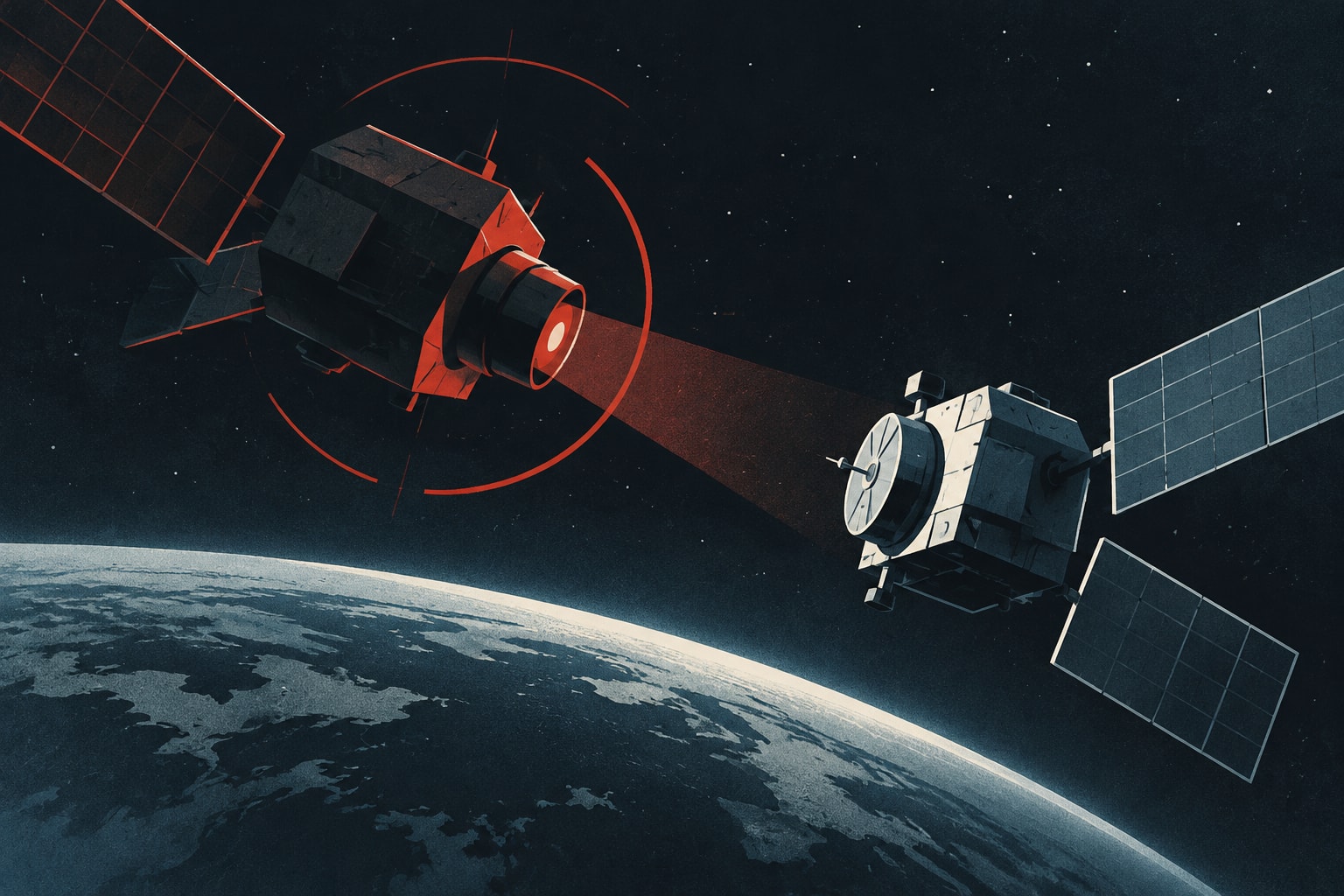
- •The US military reported that a Russian satellite, Cosmos 2612, approached the ICEYE-X36 spacecraft in October.
- •Tracking firms observed the satellite's maneuvers, which the US characterized as resembling a weapons operation.
- •The incident raises alarms about the potential militarization of space and the safety of American satellites.
Why It Matters
The reported maneuvers by Russian satellites near US spacecraft highlight the growing tensions in space operations. For military personnel and defense planners, this incident serves as a reminder of the potential threats posed by adversaries in the increasingly contested domain of outer space.
What Changes Now
- •The US military may increase surveillance of Russian satellite activities. This change is crucial for assessing potential threats to US space assets and ensuring operational security.
- •Space operations protocols might be updated to address the risks posed by foreign satellites. Personnel involved in satellite operations will need to be briefed on new procedures and best practices for safety.
- •There may be a push for enhanced space defense capabilities in response to this incident. This could lead to increased funding and resources allocated to space defense initiatives.
What to Watch
- •Monitor for updates from the US Space Command regarding changes in satellite operation protocols. These updates will provide guidance on how military personnel should respond to potential threats.
- •Watch for congressional hearings or discussions about space security initiatives. Legislative actions could impact funding and policy direction for space defense programs.
- •Keep an eye on international responses from Russia regarding these allegations. Russia's actions and statements will be critical in determining the next steps in this geopolitical situation.
Get the Daily Briefing
Military and veteran news that actually affects you, in your inbox each morning.
More Context
- •Details of the Incident: In October, the Russian satellite Cosmos 2612 reportedly maneuvered close to the ICEYE-X36, a commercial Earth observation satellite. This approach was closely monitored by tracking firms, which noted the unusual behavior of the Russian spacecraft. The US military's assessment suggests that such maneuvers could be indicative of hostile intentions, especially given the ongoing geopolitical tensions between the US and Russia. The implications of this incident extend beyond mere observation, as it raises questions about the safety and security of US assets in space.
- •Implications for Military Operations: The US military's characterization of the Russian satellite's approach as weapon-like could have significant implications for future military operations in space. As the domain of space becomes increasingly contested, the risk of miscalculations or aggressive actions could escalate tensions. Active duty personnel, particularly those in space operations and intelligence roles, may need to adapt to a new reality where satellite operations are closely monitored and potentially threatened. This situation underscores the importance of maintaining a robust space defense strategy to protect American interests.
- •Future Monitoring and Response: In light of this incident, the US military is likely to enhance its monitoring of Russian satellite activities. This may involve increased surveillance and intelligence-gathering efforts to assess the capabilities and intentions of foreign satellites. Service members in relevant fields, such as those in the 14N (Intelligence) or 1C6 (Space Systems Operations) Air Force specialties, should stay informed about developments in space policy and operational security measures. Understanding the evolving landscape of space operations will be critical for ensuring mission success and safeguarding national security.
Frequently Asked Questions
Does this affect Guard members on Title 10 orders?
Yes, Guard members on Title 10 orders may need to be aware of new operational protocols regarding space security.
Will my BAH change if I move duty stations mid-year?
Your Basic Allowance for Housing (BAH) may change if you move to a different location, as BAH rates are based on the cost of living in your new duty station.
The Daily Briefing
Military & veteran news that actually affects you — delivered every morning.
- Pay, benefits & policy changes
- Pentagon decisions that matter
- VA updates for veterans & families
- One email. No spam. Unsubscribe anytime.
Related Stories
- Man Accused of Stolen Valor in Scheme to Sell Counterfeit Military Optics— Task & Purpose
- ULA Launch Failure Raises Concerns for Space Force Operations— Air & Space Forces Magazine
- Innovations in Drone Technology: What Military Personnel Need to Know— Navy Times
- Rubio Urges Nations to ‘Step Up’ on Strait of Hormuz Security— Military.com