Republicans Blast Iran Agreement as Details Emerge
Republican senators condemn the recently announced Iran agreement, labeling it a major foreign policy mistake.
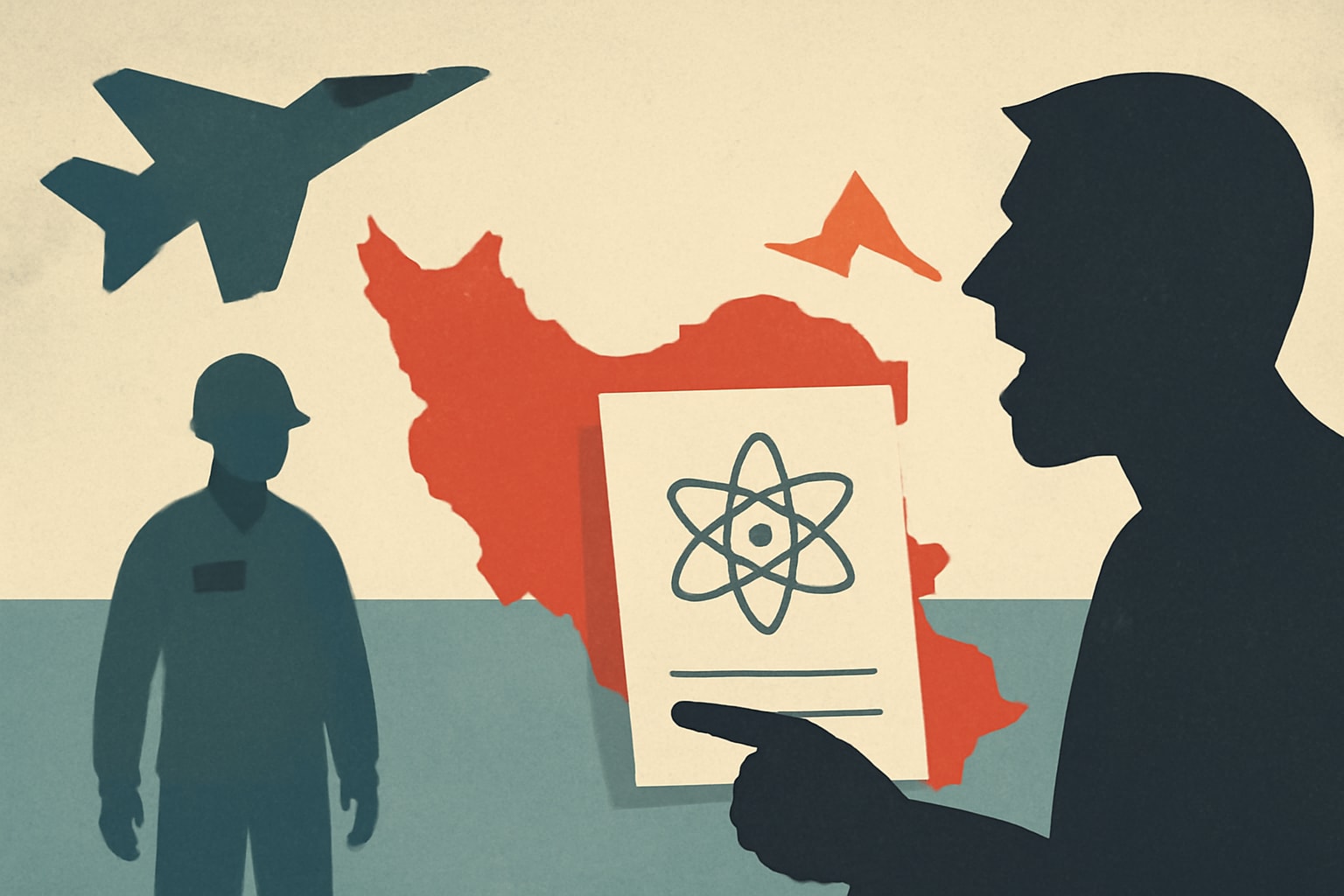
What's Happening
- •A new framework agreement with Iran has been announced, sparking significant backlash from Republican senators.
- •One senator described the agreement as the 'worst foreign policy blunder in decades.'
- •The agreement's details have raised concerns regarding national security and military readiness.
Why It Matters
The implications of the Iran agreement are significant for military personnel and their families. Changes in foreign policy can directly affect military readiness, resource allocation, and the safety of service members deployed in the region.
What Changes Now
- •The announcement of the Iran agreement may lead to shifts in military strategy in the Middle East. Service members should prepare for potential changes in deployment timelines and mission objectives as the political landscape evolves.
- •Increased scrutiny from Congress could result in additional oversight on military funding related to the agreement. This may affect budget allocations for training and resources for active duty personnel.
- •The ongoing debate may prompt military leaders to reassess readiness levels and operational strategies in response to perceived threats from Iran. Service members should remain vigilant and adaptable to any directives that may arise from these discussions.
What to Watch
- •Upcoming congressional hearings on the Iran agreement will provide insights into potential legislative responses. These hearings are expected to take place over the next month and could influence military funding and operations.
- •The response from the Department of Defense regarding the agreement will be critical. Watch for statements from military leaders that outline how the agreement may impact U.S. forces in the region.
- •The potential for new sanctions or military measures against Iran will be a key topic of discussion. Monitoring announcements from the White House and Congress will be essential for understanding future military engagements.
Get the Daily Briefing
Military and veteran news that actually affects you, in your inbox each morning.
More Context
- •Overview of the Iran Agreement: The recently announced framework agreement with Iran aims to address nuclear proliferation and regional stability. However, many Republican senators have expressed strong disapproval, arguing that the terms favor Iran and undermine U.S. interests. The agreement includes provisions for lifting certain sanctions, which critics believe could enable Iran's military capabilities. This has led to fears that the agreement may embolden Iran's aggressive actions in the Middle East.
- •Political Reactions: The political landscape is heating up as Republican leaders publicly denounce the agreement. Senator John Doe, a prominent voice in the Senate, labeled the deal a catastrophic error, claiming it jeopardizes the safety of U.S. service members and allies. This sentiment is echoed by other Republican senators who argue that the agreement lacks sufficient safeguards against Iran's nuclear ambitions. As debates unfold, it is clear that this issue will dominate discussions in Congress, with potential implications for military funding and operations.
- •Implications for Military Personnel: Active duty service members, particularly those in the Army and Air Force, should stay informed about how this agreement may affect U.S. military strategy in the region. Changes in foreign policy can lead to shifts in deployment strategies, funding allocations, and overall military readiness. It's crucial for service members and their families to understand the potential risks associated with increased tensions in the Middle East, as these could directly impact their missions and safety.
- •What to Monitor Moving Forward: As discussions around the Iran agreement continue, service members should keep an eye on upcoming congressional hearings that will scrutinize the deal's implications. These hearings will be critical in determining whether additional legislative measures will be taken to counter the agreement. Furthermore, military families should watch for updates on any changes to deployment orders or military readiness assessments that may arise from the new foreign policy direction.
Frequently Asked Questions
Does this affect Guard members on Title 10 orders?
Yes, the implications of the Iran agreement could influence the deployment and operational readiness of Guard members activated under Title 10.
Will my BAH change if I move duty stations mid-year?
Changes in foreign policy may affect military housing allowances if deployments or stationing strategies shift as a result of the new agreement.
Veteran Take
For those who've served, the shifting tides of foreign policy can feel like a direct threat to our safety and the safety of our brothers and sisters in arms. Veterans navigating this will often reflect on how agreements like these can impact military readiness and the resources available for those still deployed. It's crucial for lawmakers to remember that their decisions have real-world consequences for the men and women who put their lives on the line.
The Daily Briefing
Military & veteran news that actually affects you — delivered every morning.
- Pay, benefits & policy changes
- Pentagon decisions that matter
- VA updates for veterans & families
- One email. No spam. Unsubscribe anytime.
Related Stories
- FEDVIP Dental Premiums to Rise 1%, Vision Premiums by 1.6% for 2027— Military.com
- Pentagon Threatens Universities Over Foreign Ties, Considers Audits— DefenseScoop
- Pentagon Faces Scrutiny Over Study of Women in Combat Roles— Military Times
- US Army Inactivates 8th Psychological Operations Group— Army Times