Republicans Blast Iran Agreement as Details Emerge
Republican leaders are sharply criticizing a newly announced framework pact with Iran, calling it a major foreign policy blunder.
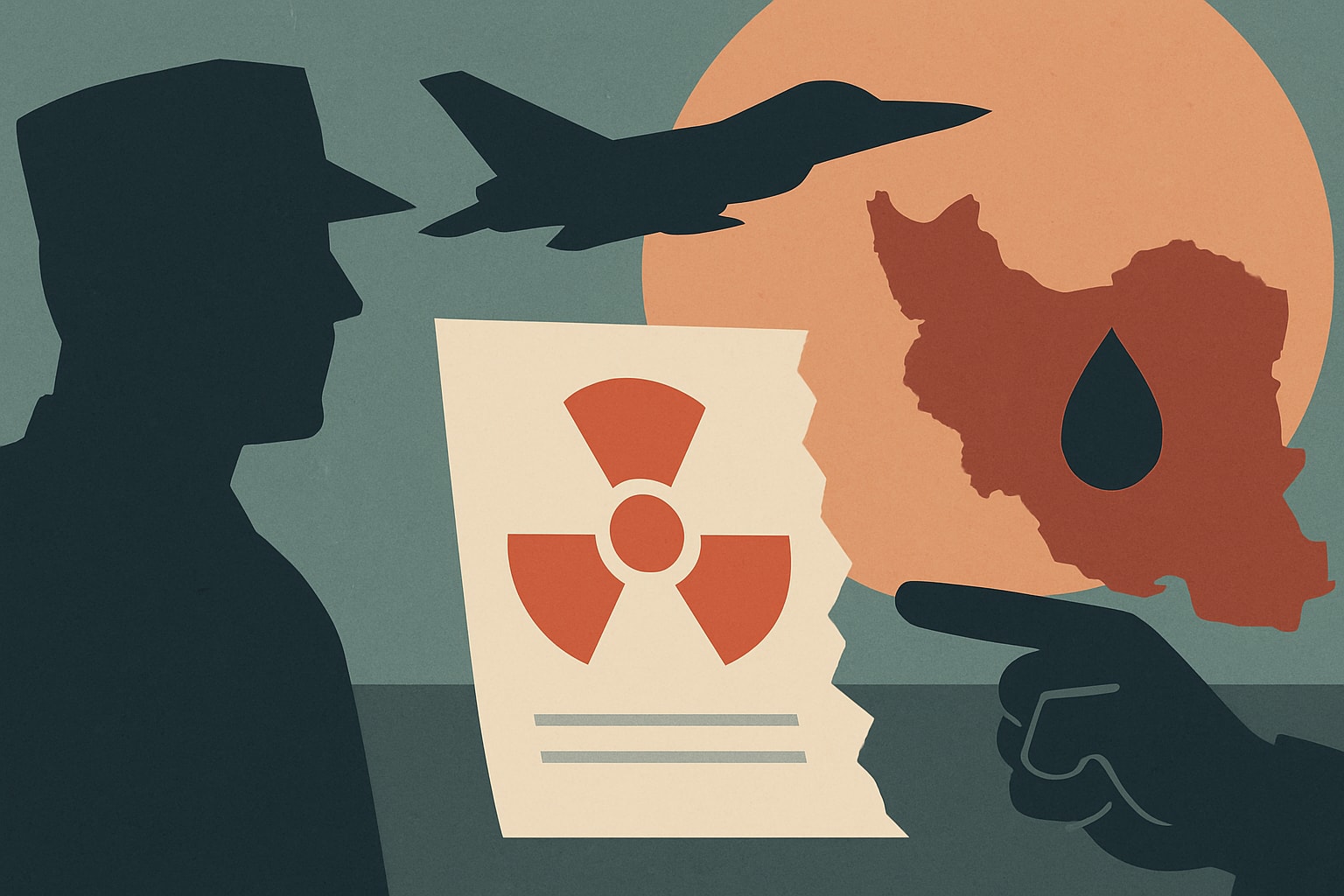
What's Happening
- •Republican senators have publicly condemned the newly announced framework agreement with Iran.
- •One senator labeled the agreement as the 'worst foreign policy blunder in decades.'
- •Details of the agreement have raised concerns about national security and military readiness.
Why It Matters
The implications of the Iran agreement are significant for U.S. military personnel and their families. As Congress debates the agreement's merits, active duty members and veterans must be aware of potential changes to military policy and funding that could directly affect their service and support systems.
What Changes Now
- •The announcement of the Iran agreement may lead to increased scrutiny of military funding. Service members should prepare for possible changes in deployment schedules and resource allocations as Congress debates the agreement.
- •Republican opposition could result in legislative efforts to restrict military engagement with Iran. Active duty personnel should stay informed about potential shifts in U.S. military strategy in the region.
- •The political backlash may affect morale among troops stationed in the Middle East. Military families should be prepared for increased uncertainty regarding future operations and support.
What to Watch
- •Upcoming congressional votes on military funding will be crucial. These votes will determine how much support is allocated for operations in the Middle East in light of the new agreement.
- •Statements from military leadership regarding operational readiness will be important to monitor. These statements will provide insight into how the agreement may affect troop deployments and safety.
- •Watch for potential amendments to military engagement policies in response to the agreement. Changes could impact how the military interacts with Iran and its allies moving forward.
Get the Daily Briefing
Military and veteran news that actually affects you, in your inbox each morning.
More Context
- •Overview of the Iran Agreement: The recently announced framework agreement with Iran has sparked significant backlash from Republican leaders in Congress. This agreement is intended to address nuclear proliferation concerns, but critics argue that it compromises U.S. national security interests. The details of the pact remain under scrutiny, with many lawmakers questioning its effectiveness in preventing Iran from advancing its nuclear capabilities.
- •Political Reactions: Republican senators have voiced strong opposition to the agreement, with some calling it a betrayal of U.S. allies in the region. The criticism centers on fears that the agreement could embolden Iran's military actions and destabilize the Middle East. This political climate may lead to increased tensions between the executive branch and Congress, particularly regarding military funding and support for regional allies.
- •Implications for Military Personnel: Active duty service members, particularly those in the Middle East, may face heightened risks as a result of this agreement. If Iran perceives a weakening of U.S. resolve, it could lead to increased aggression against U.S. forces and allies. Additionally, military families may experience uncertainty regarding deployments and support as Congress debates the implications of the agreement.
- •What to Monitor Moving Forward: As the situation develops, military personnel and their families should stay informed about congressional actions regarding the agreement. Key votes in Congress on military funding and support for allies are expected in the coming months. Monitoring statements from military leadership will also provide insight into how this agreement may affect operational readiness and troop deployments.
Frequently Asked Questions
Does this affect Guard members on Title 10 orders?
Yes, the implications of the Iran agreement could influence the operational environment for Guard members activated under Title 10.
Will my BAH change if I move duty stations mid-year?
Changes in military funding related to the Iran agreement could affect BAH rates, especially for those relocating to high-cost areas.
Veteran Take
For those who've served, the unfolding debate around the Iran agreement feels all too familiar. We know that decisions made at the political level can have a direct impact on our safety and the resources available to us and our families. As veterans, we must stay informed and engaged, understanding how these negotiations might shape the future of military policy and our support systems.
The Daily Briefing
Military & veteran news that actually affects you — delivered every morning.
- Pay, benefits & policy changes
- Pentagon decisions that matter
- VA updates for veterans & families
- One email. No spam. Unsubscribe anytime.
Related Stories
- FEDVIP Dental Premiums to Rise 1%, Vision Premiums by 1.6% for 2027— Military.com
- Pentagon Threatens Universities Over Foreign Ties, Considers Audits— DefenseScoop
- US Army Plans to Establish Manufacturing Hub in Korea for Indo-Pacific Operations— Military Times
- Pentagon Faces Scrutiny Over Study of Women in Combat Roles— Military Times