Japan Eases Arms Export Rules, Drawing Interest from U.S. Allies
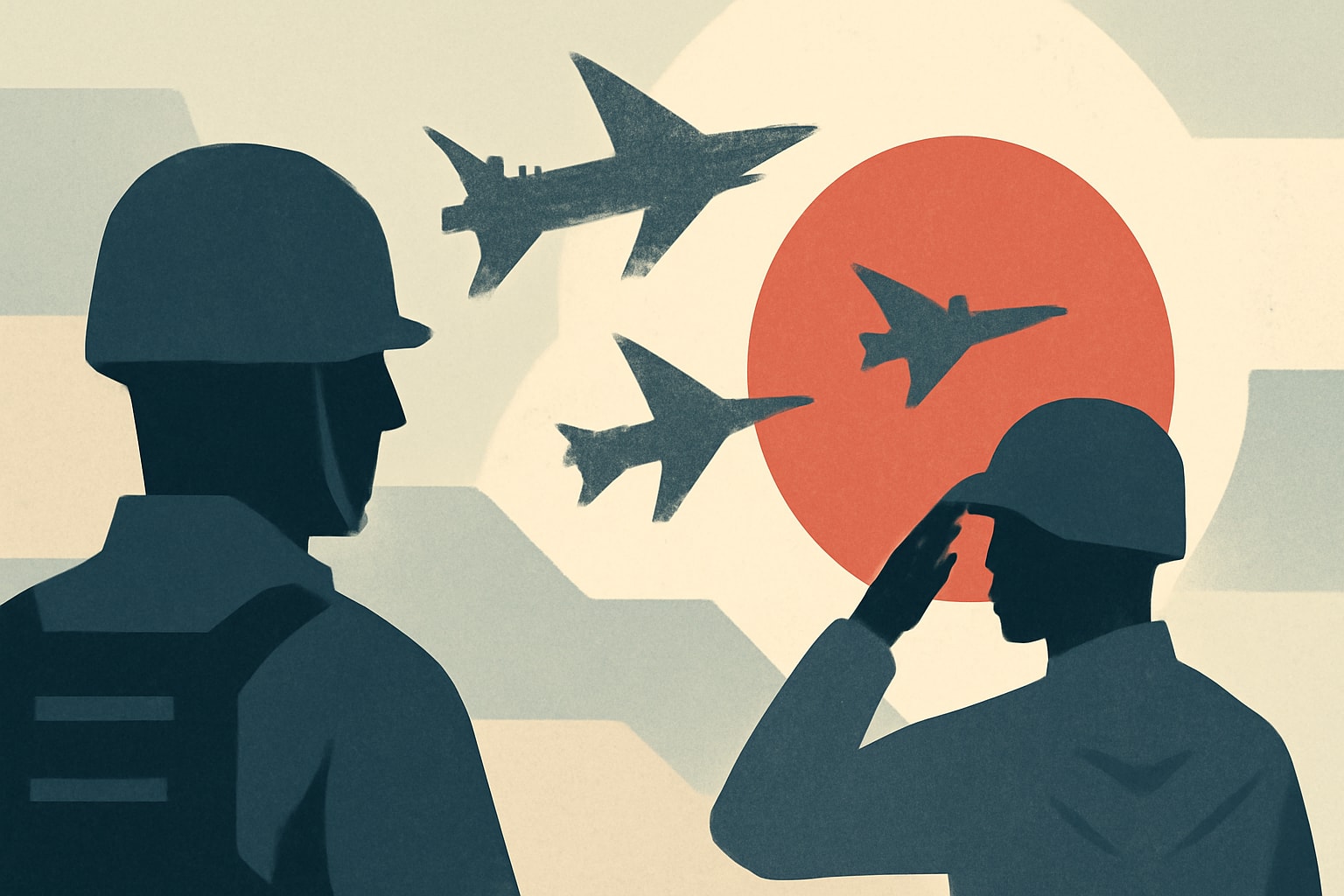
Japan's significant policy shift on arms exports is set to impact military partnerships across Asia and Europe.
What's Happening
- •Japan is set to ease its arms export regulations for the first time since World War II.
- •Countries like Poland and the Philippines are expressing strong interest in Japan's arms capabilities.
- •This policy change is seen as a response to regional security challenges, particularly from North Korea and China.
Why It Matters
The easing of Japan's arms export rules represents a pivotal shift in its defense strategy, which has implications for U.S. military partnerships in Asia and beyond. For active-duty service members and veterans, this change could lead to new opportunities for collaboration and technology sharing among allied forces, enhancing overall security in the region.
What Changes Now
- •Japan's arms export regulations are being relaxed, allowing for increased military collaboration. This change is expected to facilitate partnerships with countries like Poland and the Philippines, enhancing their defense capabilities.
- •Allied nations will now have the opportunity to procure advanced Japanese military technology. This could lead to joint defense projects that strengthen regional security against threats from North Korea and China.
- •The Japanese government will begin formalizing agreements with interested countries in the coming months. This process will likely involve negotiations on specific arms and technology transfers.
What to Watch
- •Look for formal agreements between Japan and interested countries in the next six months. These agreements will outline the specifics of arms sales and military cooperation.
- •Monitor the reactions from neighboring countries, particularly China and North Korea. Their responses could influence future defense policies in the region.
- •Watch for potential joint military exercises involving Japan and its allies. Such exercises could demonstrate the new capabilities and enhance interoperability among forces.
Get the Daily Briefing
Military and veteran news that actually affects you, in your inbox each morning.
More Context
- •Japan's Policy Shift: Japan's decision to relax its arms export restrictions marks a historic change in its defense posture. Previously, Japan maintained strict regulations on arms exports, largely due to its pacifist constitution established after World War II. This new policy is expected to allow Japan to engage in more robust defense collaborations with allied nations, particularly those facing security threats in the Asia-Pacific region.
- •Regional Reactions: The announcement has generated significant interest from various countries, particularly Poland and the Philippines. These nations are looking to enhance their military capabilities in the face of increasing regional tensions. For instance, Poland has been actively seeking to modernize its armed forces, and Japan's advanced technology could play a crucial role in that effort.
- •Implications for U.S. Alliances: This shift in Japan's arms export policy could strengthen military cooperation among U.S. allies. As Japan becomes more involved in arms exports, it may lead to joint defense projects and technology sharing, enhancing collective security in the region. Additionally, this move aligns with the U.S. strategy of encouraging allies to bolster their defense capabilities, particularly in light of rising threats from adversaries.
- •Future Developments: As Japan implements these new arms export rules, the international community will be watching closely. The potential for joint military exercises and collaborative defense initiatives could reshape security dynamics in Asia and beyond. Observers will also be keen to see how Japan balances its pacifist principles with its new role as an arms exporter.
Veteran Take
For those who've served, Japan's decision to ease arms export rules is a significant development that could reshape our military alliances in Asia. This shift not only opens doors for enhanced collaboration and technology sharing but also reinforces the importance of strong partnerships in maintaining regional security. Veterans navigating this evolving landscape will likely see new opportunities for joint training and operations that strengthen our collective defense posture.
The Daily Briefing
Military & veteran news that actually affects you — delivered every morning.
- Pay, benefits & policy changes
- Pentagon decisions that matter
- VA updates for veterans & families
- One email. No spam. Unsubscribe anytime.
Related Stories
- US Army Considers Balloons for Military Operations— Military Times
- US Army Expands Dining Options to Fit Modern Soldier Schedules— Military Times
- Pentagon Seeks $50 Billion for Mass Drone Production— Military Times
- Lynx XM30 Prototype Delivered to the Army for Evaluation— Military Times