Proposed Law May Criminalize Publicizing Special Operator Identities
A new proposal could extend legal protections to the identities of special operations troops, aligning them with intelligence agents.
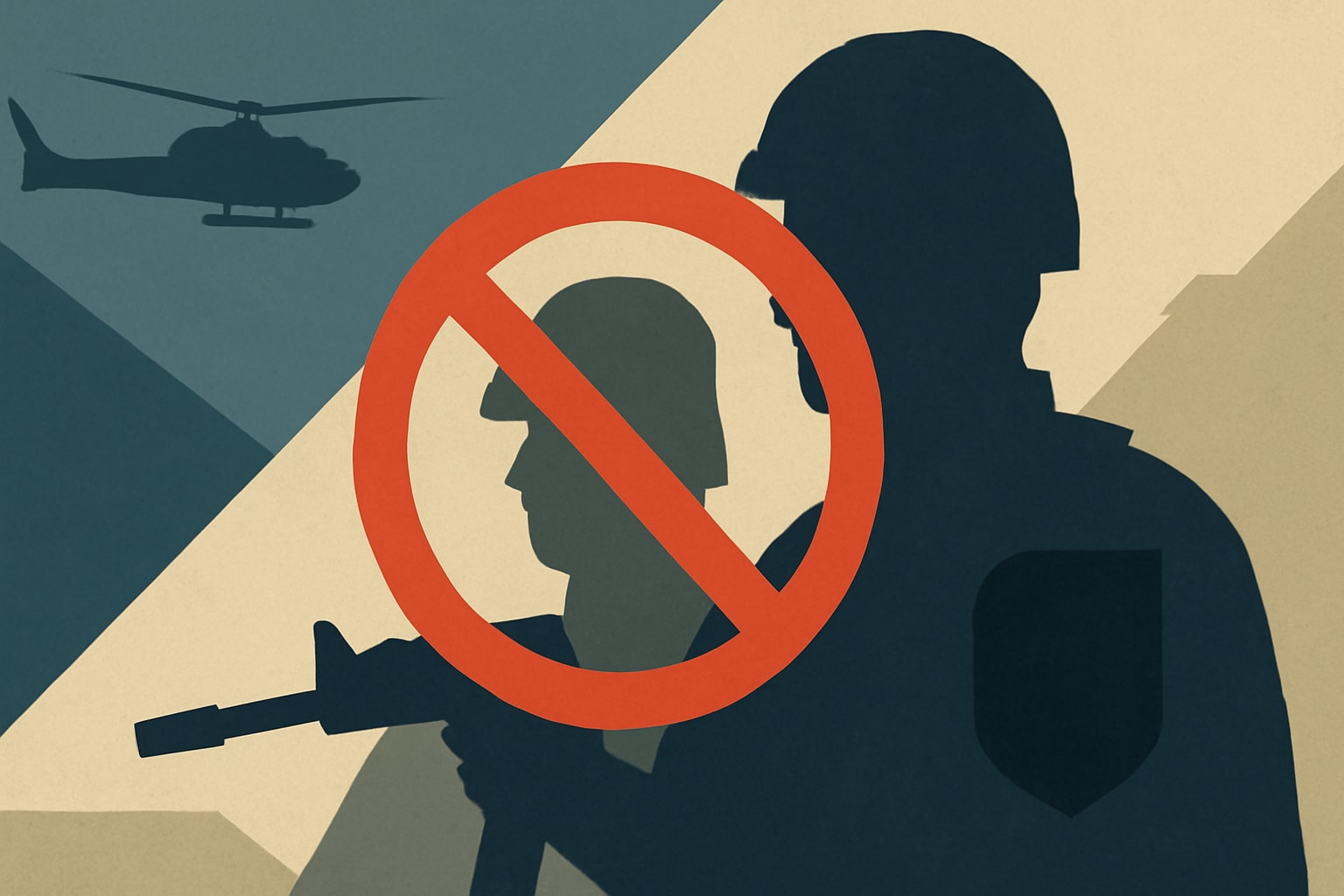
What's Happening
- •A proposed law aims to protect the identities of special operations troops.
- •If passed, this law would make it illegal to publicize the identities of these service members.
- •The proposal seeks to extend similar protections currently afforded to spies and intelligence agents.
Why It Matters
This proposed legislation is significant for military personnel as it addresses the critical need for operational security among special operations forces. By providing legal protections similar to those of intelligence agents, it acknowledges the unique risks these service members face and aims to enhance their safety during missions.
What Changes Now
- •The proposed law will make it illegal to disclose the identities of special operations troops. This change will require service members to be cautious about sharing information that could compromise their safety.
- •Military leadership will likely develop new guidelines for how units communicate about operations. This will ensure that all personnel understand the legal implications of discussing their identities.
- •Training programs will be updated to educate service members about the importance of identity protection. This will help reinforce the need for operational security in all communications.
What to Watch
- •The legislative process for the proposed law will be closely monitored by military and defense organizations. Stakeholders are particularly interested in how this law may evolve as it moves through Congress.
- •Public discussions and hearings regarding the bill will provide insight into the potential impact on military operations. Service members should pay attention to any amendments that could alter the scope of the law.
- •The timeline for a vote on the proposed law remains uncertain, but updates will be critical for those affected. Staying informed will be essential for understanding how this law could change operational protocols.
Get the Daily Briefing
Military and veteran news that actually affects you, in your inbox each morning.
More Context
- •Understanding the Proposed Law: The proposed legislation is designed to enhance the legal protections for special operations personnel by criminalizing the unauthorized disclosure of their identities. This move is a response to growing concerns about the safety and operational effectiveness of these troops, who often operate in high-risk environments. The law aims to prevent potential threats that could arise from publicizing their identities, which can compromise missions and endanger lives.
- •Who Will Be Affected?: This law primarily impacts active-duty special operations forces, including Navy SEALs, Army Green Berets, and Air Force Pararescue personnel. Specifically, ranks from E-5 to O-6 who are involved in covert operations will benefit from these protections. Additionally, members of the National Guard and Reserve who participate in special operations missions may also be included under this law, ensuring a broader scope of identity protection.
- •Immediate Changes and Practical Implications: If the law is enacted, it will create immediate changes in how information about special operations personnel is handled by the media and the public. Service members will need to be aware that discussing or disclosing identities without authorization could lead to legal consequences. Furthermore, military leadership will likely implement new training and guidelines to ensure compliance with this law, impacting how units communicate about their operations.
- •What to Watch For: Key developments regarding this proposed law will unfold in the coming months as it moves through legislative processes. Stakeholders, including military leadership and advocacy groups, will be monitoring discussions and potential amendments to the bill. The timeline for a vote is still uncertain, but it is crucial for service members to stay informed about the implications this law may have on their operational security.
Frequently Asked Questions
Does this affect Guard members on Title 10 orders?
Yes, the proposed law could extend protections to National Guard members activated under Title 10 who are involved in special operations.
What should I do if I am asked about my identity as a special operator?
If the law passes, you should refrain from disclosing any identifying information and refer inquiries to your chain of command.
Veteran Take
For those who've served in special operations, the importance of maintaining operational security cannot be overstated. This proposed law recognizes the unique challenges we face and the potential dangers of having our identities exposed. Veterans navigating this will appreciate the effort to safeguard our brothers and sisters in arms, ensuring they can carry out their missions without unnecessary risk.
The Daily Briefing
Military & veteran news that actually affects you — delivered every morning.
- Pay, benefits & policy changes
- Pentagon decisions that matter
- VA updates for veterans & families
- One email. No spam. Unsubscribe anytime.
Related Stories
- Marine Corps Requires Annual Gas Mask Fit Tests for All Marines— Military.com
- How the Army Used ‘Ghost Tapes’ for Psychological Warfare in Vietnam— Military.com
- AAFES Investigates Suspicious Messages Sent to Military Customers— DefenseScoop
- Coast Guard Boards US-Bound Vessels Compromised by Hackers— Military Times