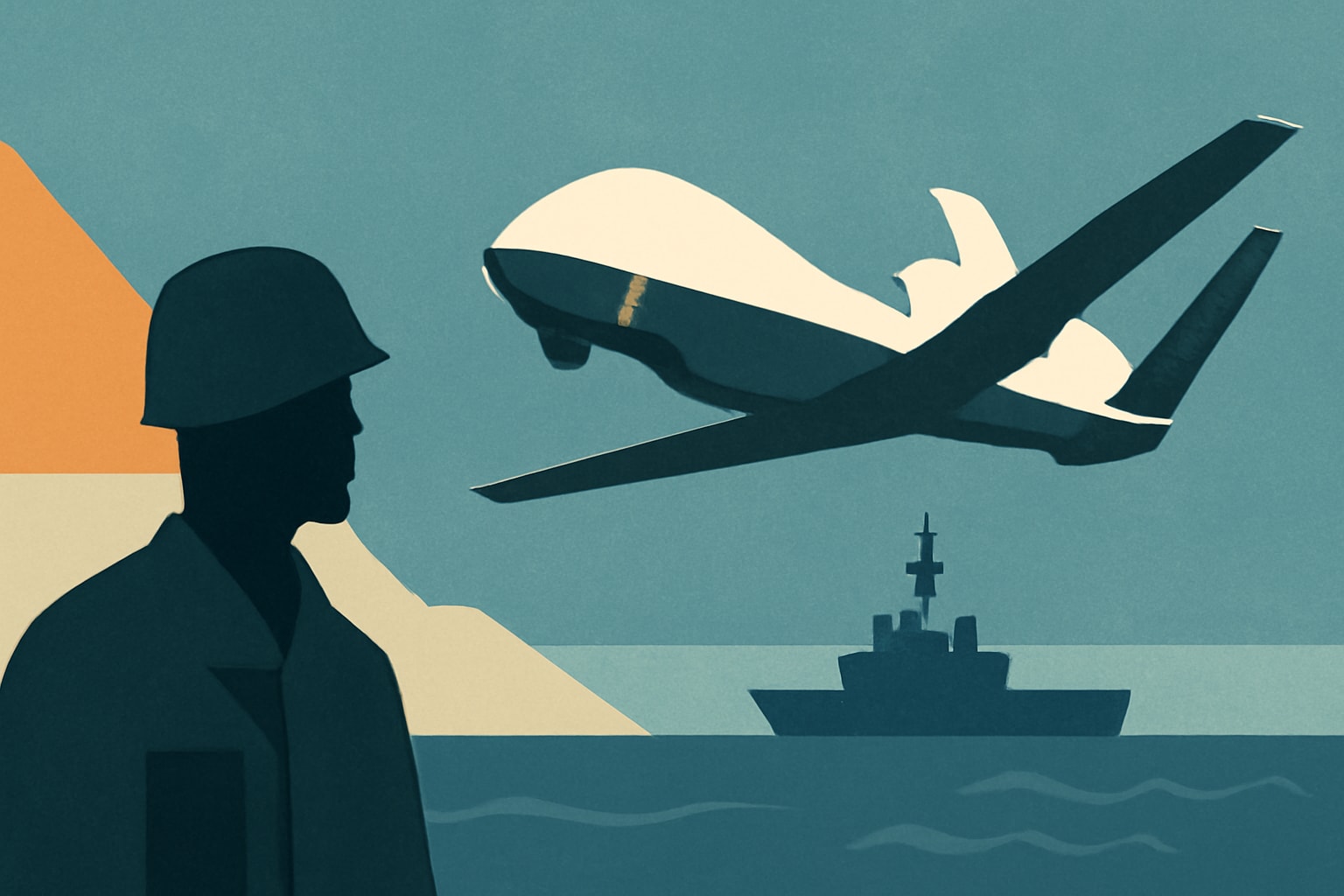
Philippines Deploys US-Made Triton Naval Drones for Surveillance
The Philippines enhances its maritime security with Triton drones following China's recent military activities in the South China Sea.
What's Happening
- •The Philippines has deployed US-made Triton naval drones in its western waters.
- •This move follows the discovery of a floating platform with an antenna deployed by China at Scarborough Shoal.
- •The Triton drones will be used to scout for intruders in the region.
Why It Matters
The deployment of Triton drones represents a critical step for the Philippines in safeguarding its maritime sovereignty amidst rising tensions in the South China Sea. For military personnel, this development may lead to new operational strategies and training requirements, enhancing their readiness to respond to potential threats.
What Changes Now
- •The Philippine military will begin integrating Triton drones into their surveillance operations. This change is expected to enhance their capabilities in monitoring intrusions in contested waters.
- •Training programs for personnel will be initiated to ensure effective operation of the new drone technology. This training will be crucial for maximizing the drones' potential in real-time surveillance.
- •Joint military exercises with US forces may increase in frequency and complexity. This will help both nations improve interoperability and readiness in the face of regional threats.
What to Watch
- •Monitor the outcomes of training programs for personnel operating the Triton drones. The effectiveness of these programs will determine the success of the drone deployment.
- •Watch for reactions from other countries in the region, particularly China, regarding the Philippines' enhanced surveillance capabilities. Their responses could influence future military dynamics in the South China Sea.
- •Keep an eye on upcoming joint military exercises between the Philippines and the US. These exercises will be critical in assessing the operational integration of the Triton drones.
Get the Daily Briefing
Military and veteran news that actually affects you, in your inbox each morning.
More Context
- •Strategic Implications of Drone Deployment: The deployment of US-made Triton drones by the Philippines marks a significant enhancement in the country's surveillance capabilities. This move comes in response to increasing tensions in the South China Sea, particularly following China's covert establishment of a floating platform at Scarborough Shoal. By utilizing these advanced drones, the Philippine military aims to bolster its maritime security and monitor any unauthorized activities in its territorial waters. The Triton drones are equipped with sophisticated sensors and surveillance technology, allowing for real-time data collection and analysis, which is crucial for maintaining national security.
- •Impact on Military Operations: For active-duty personnel, particularly those in naval and air operations, the introduction of Triton drones could lead to changes in operational protocols. Sailors and aviators may need to undergo training to effectively integrate drone surveillance into their missions. Additionally, this deployment could enhance joint exercises with US forces, as the Triton drones are part of a broader military cooperation framework between the two nations. As the Philippine military adapts to this new technology, service members will play a vital role in ensuring its successful implementation and operational effectiveness.
- •Regional Security Landscape: The deployment of Triton drones also has broader implications for regional security dynamics. Countries in the Asia-Pacific region, particularly those with territorial disputes in the South China Sea, will be closely monitoring the Philippines' actions. The presence of advanced surveillance technology could deter aggressive maneuvers by other nations, particularly China, which has been expanding its military presence in contested waters. Enhanced surveillance capabilities may also encourage other Southeast Asian nations to bolster their own military readiness, potentially leading to a shift in the balance of power in the region.
Frequently Asked Questions
How will the deployment of Triton drones affect my unit's operations?
Units involved in surveillance and reconnaissance may see new protocols and training related to drone operations.
Will this deployment impact my deployment schedule?
While immediate deployment schedules may not change, future operations may incorporate drone surveillance, affecting mission planning.
Veteran Take
For those who've served, the deployment of US-made Triton drones by the Philippines highlights the ongoing importance of international partnerships in maintaining security. Veterans understand the complexities of maritime operations and the need for advanced technology to monitor potential threats. As tensions rise in the South China Sea, it's crucial for military forces to adapt and prepare, ensuring that our allies are equipped to defend their sovereignty.
The Daily Briefing
Military & veteran news that actually affects you — delivered every morning.
- Pay, benefits & policy changes
- Pentagon decisions that matter
- VA updates for veterans & families
- One email. No spam. Unsubscribe anytime.
Related Stories
- Air Force Seeks Next-Gen Perimeter Air Defense Radars to Replace Aging Systems— Air & Space Forces Magazine
- AFRL Partners with Virgin Galactic to Collect Space Weather Data— Air & Space Forces Magazine
- Anduril and U.S. Navy Invest $6.6 Billion to Boost Submarine Parts Production— Military Times
- Ukraine's Fire Point Develops Extended-Range Tactical Missile— Defense News