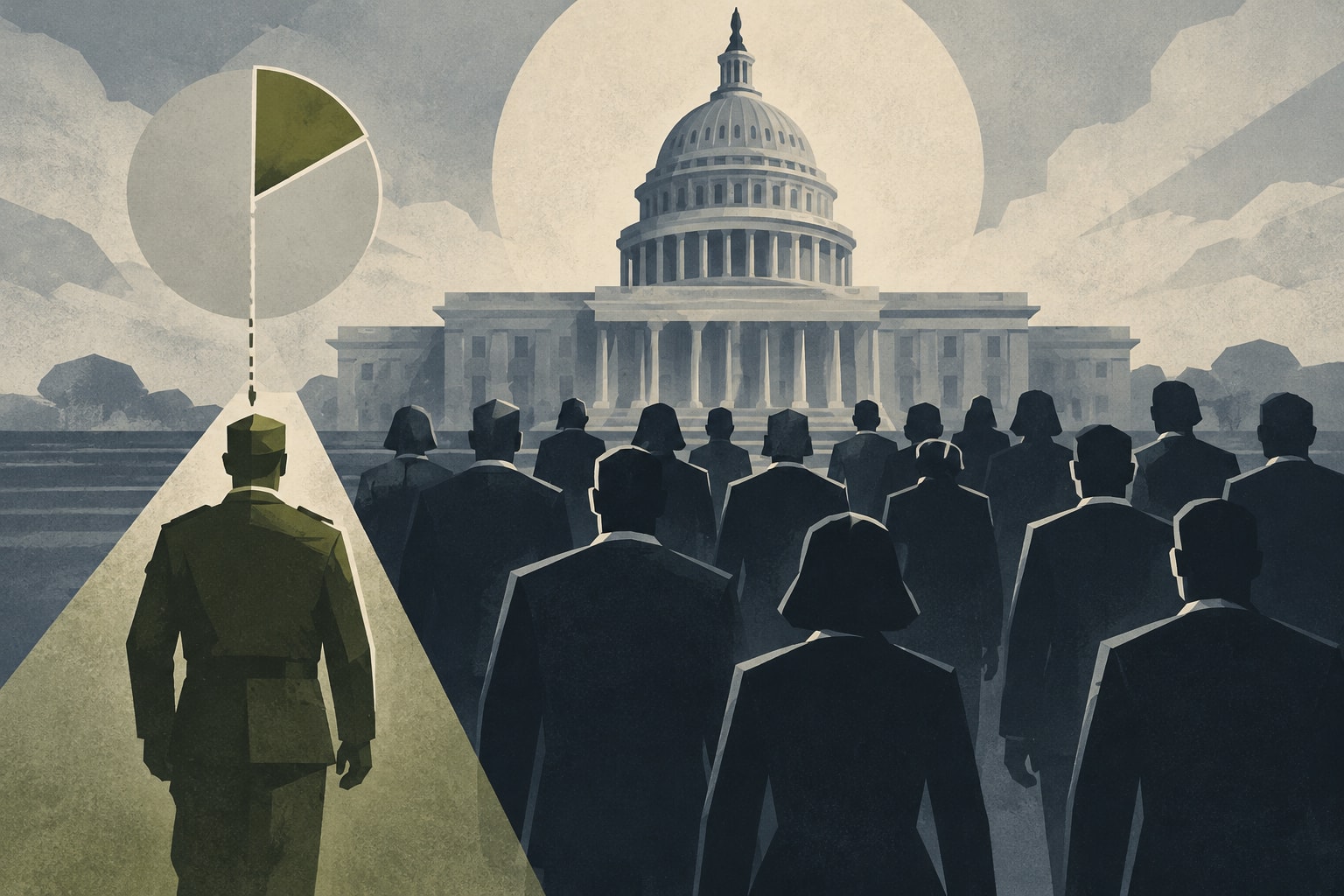
Veteran Representation in Incoming Congressional Class Drops to 15%
The percentage of veterans serving in the next Congress has decreased significantly, raising questions about military representation.
What's Happening
- •The percentage of veterans in the incoming Congressional class has dropped to 15%.
- •This marks a significant decline from previous decades when military service was more common among lawmakers.
- •The trend raises concerns about the representation of military perspectives in legislative decisions.
Why It Matters
The decline in veteran representation in Congress raises significant concerns for the military and veteran community. With fewer lawmakers who understand the unique challenges faced by service members, there is a risk that critical issues may not be adequately addressed in future legislation.
What Changes Now
- •The incoming Congress will have only 15% of its members with military experience. This may lead to a lack of understanding and urgency regarding military and veteran issues.
- •Advocacy for veterans' issues may become more challenging without a strong representation in Congress. Organizations may need to increase lobbying efforts to ensure that veteran perspectives are heard.
- •Legislative priorities might shift away from military concerns as fewer lawmakers have direct experience. This can impact funding for veteran services and military readiness initiatives.
What to Watch
- •Monitor upcoming Congressional sessions for discussions on veteran-related legislation. Key votes will reveal how much attention is given to military issues without veteran lawmakers present.
- •Watch for advocacy campaigns from veteran organizations aiming to influence policy. These groups will likely push for increased representation and focus on military needs.
- •Keep an eye on the composition of Congressional committees that handle military and veteran affairs. Changes in leadership could affect how these issues are prioritized.
Get the Daily Briefing
Military and veteran news that actually affects you, in your inbox each morning.
More Context
- •Historical Context of Veteran Representation: In the 1970s, nearly three-quarters of Congress members had military experience, reflecting a strong connection between military service and political representation. Over the decades, this percentage has steadily declined, with the current 15% highlighting a significant shift in the composition of elected officials. This reduction in veteran representation may impact how military-related issues are addressed in Congress, as fewer lawmakers have firsthand experience of military life.
- •Implications for Military and Veteran Affairs: The decrease in veteran lawmakers could lead to a gap in understanding military needs and challenges within Congress. Issues such as veterans' healthcare, benefits, and military readiness may not receive the same level of attention or urgency without a strong veteran voice advocating for them. This shift could affect legislation that directly impacts active-duty service members, veterans, and their families, potentially leading to policies that do not fully consider their perspectives.
- •Who is Affected by These Changes?: Active-duty service members, particularly those in the ranks of E-4 to E-6, may feel the impact of reduced veteran representation as their concerns might not be prioritized in legislative discussions. Additionally, veterans seeking to transition into civilian life may face challenges if their interests are not adequately represented in Congress. The lack of veteran voices could hinder efforts to address pressing issues such as employment opportunities, mental health support, and access to benefits.
- •What to Monitor Moving Forward: As the new Congress convenes, it will be crucial to observe how military and veteran issues are prioritized in legislative agendas. Upcoming votes on key legislation affecting veterans' benefits and healthcare will reveal the extent to which the lack of veteran representation influences policy decisions. Advocacy groups will likely ramp up efforts to ensure that the needs of service members and veterans are not overlooked in this new political landscape.
Frequently Asked Questions
Does this affect Guard members on Title 10 orders?
Yes, the decline in veteran representation may impact how legislation affecting Guard members is prioritized and addressed.
Will my BAH change if I move duty stations mid-year?
Changes in Basic Allowance for Housing (BAH) are typically based on your new duty station's rates, so a move may affect your BAH depending on the cost of living in the new location.
The Daily Briefing
Military & veteran news that actually affects you — delivered every morning.
- Pay, benefits & policy changes
- Pentagon decisions that matter
- VA updates for veterans & families
- One email. No spam. Unsubscribe anytime.
Related Stories
- Marine Corps Birthday Commemorated in Beirut, 18 Days After 1983 Bombing— Military.com
- Air Force Chief Advocates for Full Control of Bases— Air & Space Forces Magazine
- Air Force Lieutenant Colonel Investigated for Child Sex Abuse Images— Military.com
- 'Inside CENTCOM' Podcast Launches Amid Ongoing Iran Conflict— Army Times