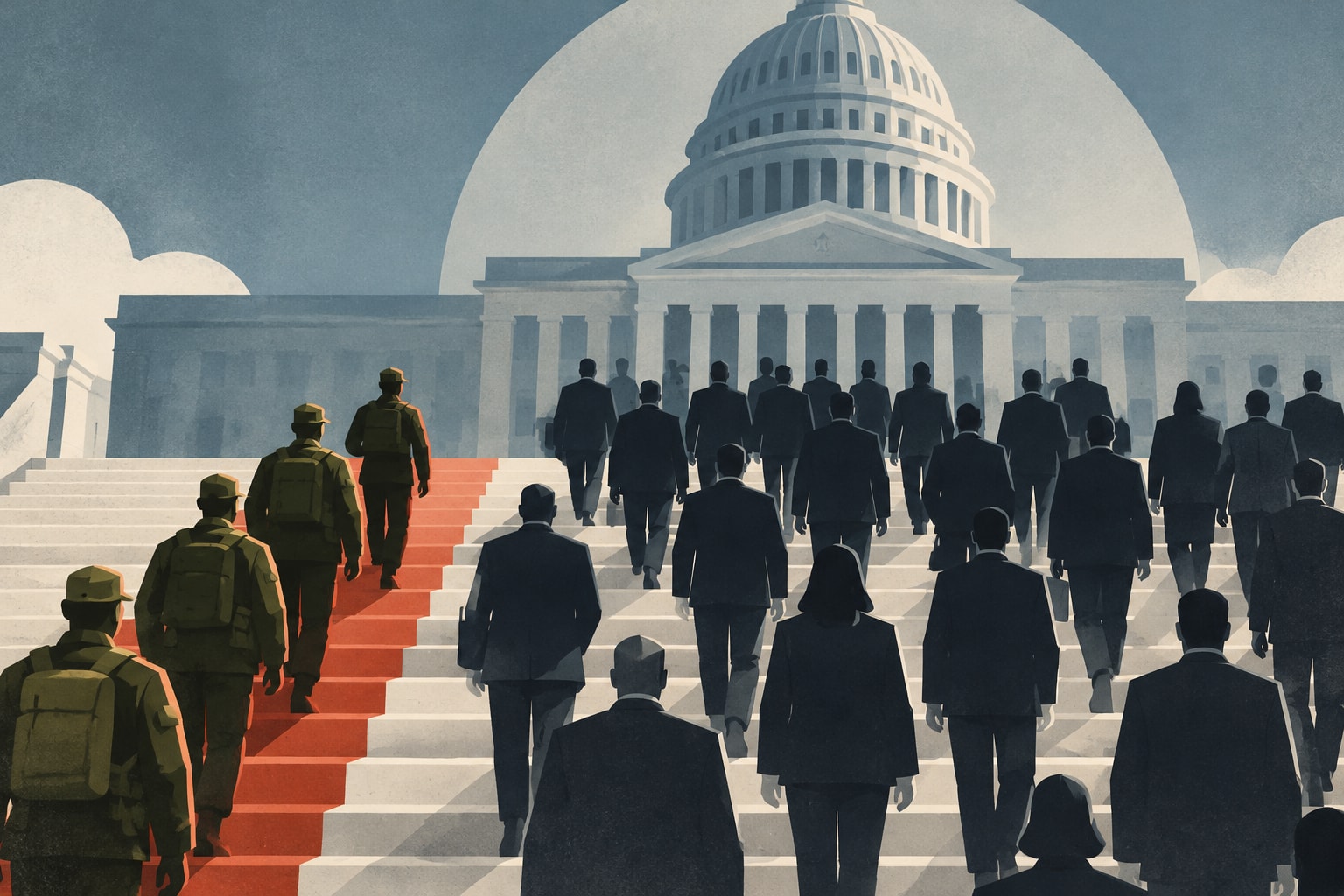
Percentage of Veterans Serving in Incoming Congressional Class Drops to 15%
The representation of veterans in Congress has decreased significantly, raising concerns about military interests.
What's Happening
- •The percentage of veterans in the incoming Congress has fallen to 15%.
- •This marks a significant decrease from previous decades when nearly three-quarters of Congress had military experience.
- •The trend reflects broader societal changes and may impact military-related legislation.
Why It Matters
The decline in veteran representation in Congress could have significant implications for military and veteran policies. With fewer lawmakers who understand the unique challenges faced by service members, there may be less advocacy for critical issues such as healthcare, benefits, and overall support for the military community.
What Changes Now
- •The decrease in veteran representation means that active duty service members may have to be more proactive in advocating for their needs. This could involve engaging with advocacy groups or reaching out to their representatives to ensure their voices are heard.
- •Veterans should prepare for potential changes in legislation that may affect their benefits and services. Staying informed about upcoming bills and participating in advocacy efforts will be crucial for ensuring their interests are represented.
- •Military families may need to seek alternative resources and support networks as congressional focus shifts. This could include local veteran organizations or community support groups to fill any gaps left by reduced legislative attention.
What to Watch
- •Monitor the composition of key congressional committees related to military and veteran affairs. These committees will play a critical role in shaping legislation that affects service members and veterans.
- •Watch for upcoming defense funding bills that will outline the budget for military programs and services. The outcomes of these bills will directly impact resources available to active duty personnel and veterans.
- •Stay updated on advocacy efforts from veteran organizations that may push for policy changes. Engaging with these groups can provide insights into how veterans can influence legislation.
Get the Daily Briefing
Military and veteran news that actually affects you, in your inbox each morning.
More Context
- •Historical Context of Military Representation: Historically, military service has been a common background for members of Congress. In the 1970s, around 75% of Congress had served in the military, reflecting a strong connection between military service and political leadership. This representation has gradually declined, with current figures indicating that only 15% of the incoming class of Congress members are veterans. This decline raises questions about the understanding and advocacy for military issues within legislative discussions.
- •Implications for Military and Veteran Affairs: The reduction in veteran representation could lead to less focus on military and veteran issues in Congress. With fewer lawmakers who have firsthand experience in the military, there may be a gap in understanding the challenges faced by service members and veterans. This could affect legislation related to benefits, healthcare, and veteran services, which are critical for those who have served. Active duty service members and veterans may find it increasingly important to advocate for their needs and ensure their voices are heard in the political arena.
- •Who is Affected and What Changes Now: Active duty service members, particularly those in leadership positions such as O-3 to O-6 officers, may feel the impact of this shift as they navigate policies that affect their careers and benefits. Veterans, especially those who rely on congressional support for healthcare and disability benefits, should be aware that their interests may not be as strongly represented. Additionally, military families may face challenges in accessing resources and support if their needs are not prioritized by lawmakers.
- •What to Watch Moving Forward: As the new Congress convenes, keep an eye on key committees that handle military and veteran affairs. The composition of these committees will be crucial in determining how effectively military issues are addressed. Additionally, upcoming legislation related to defense funding and veteran services will be significant to monitor, as these decisions will shape the support available to service members and their families. Engaging with advocacy groups may also become increasingly important for veterans looking to influence policy.
Frequently Asked Questions
Does this affect Guard members on Title 10 orders?
Yes, the decrease in veteran representation may impact policies that affect Guard members, especially those activated under Title 10.
Will my BAH change if I move duty stations mid-year?
Yes, moving duty stations can affect your Basic Allowance for Housing (BAH), and you should notify your finance office to ensure proper adjustments.
The Daily Briefing
Military & veteran news that actually affects you — delivered every morning.
- Pay, benefits & policy changes
- Pentagon decisions that matter
- VA updates for veterans & families
- One email. No spam. Unsubscribe anytime.
Related Stories
- Hegseth Vows to Defend Pentagon Policies as Democrats Gain Control of Congress— Federal News Network
- Army Honors Soldiers Who Faced Down Fort Stewart Gunman— Military Times
- Congress Launches Bipartisan Caucus for Military Range and Test Facilities— Military Times
- Military Families Face Rising Hardship: Emergency Requests Surge Nearly 50%— Military.com