Pentagon’s 9/11 Casualties: Response Shaped Future Treatments
The Pentagon's response to 9/11 established a framework for treating mass casualties that has evolved over two decades.
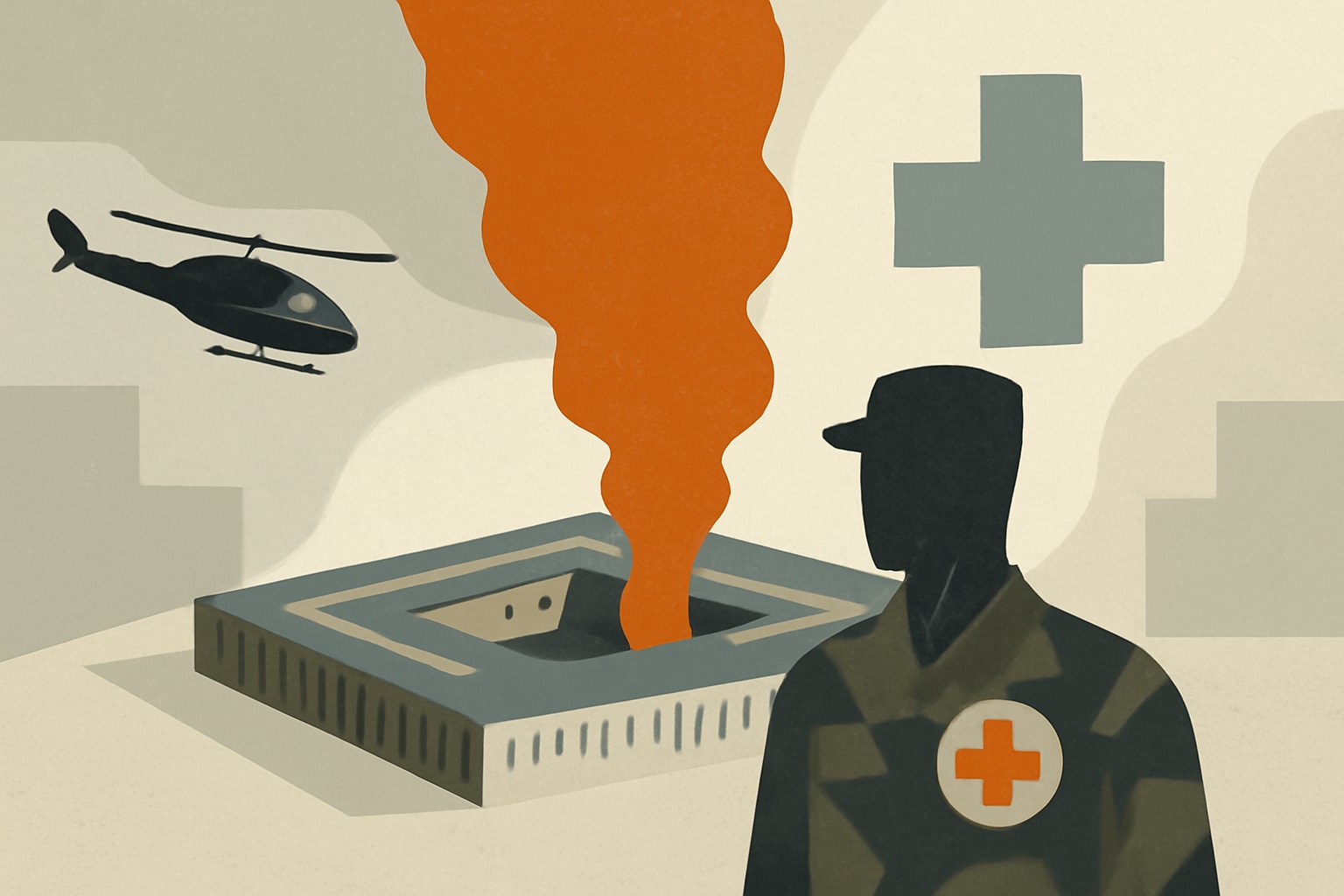
What's Happening
- •The Pentagon's response to the 9/11 attacks created a model for mass casualty treatment.
- •This model has influenced military medical practices over the last two decades.
- •The evolution of treatment protocols has improved outcomes for service members injured in combat.
Why It Matters
Understanding the evolution of military medical responses since 9/11 is crucial for current and future service members. The advancements in treatment protocols not only enhance survival rates but also improve the overall quality of care for those injured in combat, directly impacting the well-being of military families and veterans.
What Changes Now
- •The military is enhancing training programs for medics focused on burn treatment. This change will ensure that personnel are better prepared for mass casualty situations, improving response times and outcomes.
- •New resources are being allocated to forward operating bases for immediate burn care. This means that service members deployed in combat zones will have access to advanced medical supplies for treating injuries on-site.
- •Ongoing evaluations of treatment protocols will continue to shape military medical practices. This ensures that lessons learned from recent conflicts are integrated into training and operational procedures.
What to Watch
- •Upcoming military medical training sessions will incorporate updated burn treatment protocols. These sessions are scheduled for the next quarter and will directly impact how medics respond in future conflicts.
- •The Department of Defense is reviewing resource allocation for combat medical units. Decisions are expected within the next six months, which could enhance medical capabilities in operational environments.
- •Future military engagements will likely reflect the lessons learned from 9/11. Observing how these lessons are applied in real-time will be essential for understanding the evolution of military medicine.
Get the Daily Briefing
Military and veteran news that actually affects you, in your inbox each morning.
More Context
- •Historical Context of 9/11 Medical Response: The immediate medical response to the 9/11 attacks set a precedent for how military medical personnel approach mass casualty incidents. In the aftermath of the attacks, the military recognized the need for rapid and effective treatment protocols, particularly for burn victims, which led to the development of specialized training and resources that have continued to evolve. This response not only addressed the immediate needs of casualties but also informed future military engagements where similar injuries were prevalent.
- •Impact on Burn Treatment Protocols: Following 9/11, the military implemented advanced burn treatment protocols that have significantly improved survival rates. These protocols include the use of specialized burn units and the integration of new technologies and techniques in wound care. Over the years, military medical teams have adapted these protocols based on lessons learned from ongoing conflicts, ensuring that they remain effective in treating complex injuries sustained in combat.
- •Training and Resource Allocation: The response to 9/11 led to increased investment in training for military medics, particularly those in the 68W Army Medical Specialist Corps. This training emphasizes rapid assessment and treatment of burn injuries, preparing medics to handle high-pressure situations effectively. Additionally, resources have been allocated to ensure that forward operating bases are equipped with the necessary medical supplies and equipment to treat burn victims immediately.
- •Future Implications for Military Medicine: The lessons learned from the 9/11 response continue to shape military medicine today. As the nature of warfare evolves, so too does the approach to treating injuries, with an increasing focus on trauma-informed care and mental health support for service members. The ongoing commitment to improving medical responses will likely influence how future conflicts are managed, ensuring that service members receive the best possible care.
Frequently Asked Questions
Does this affect Guard members on Title 10 orders?
Yes, Guard members on Title 10 orders will benefit from the same updated medical protocols and training as active-duty personnel.
Will my BAH change if I move duty stations mid-year?
Your Basic Allowance for Housing (BAH) may be adjusted based on the new duty station's rates, which are updated annually.
The Daily Briefing
Military & veteran news that actually affects you — delivered every morning.
- Pay, benefits & policy changes
- Pentagon decisions that matter
- VA updates for veterans & families
- One email. No spam. Unsubscribe anytime.
Related Stories
- Navy SEALs Influence on The Terminal List Season 2— Military.com
- Pentagon Bans Troops from Using Insider Information for Betting— Task & Purpose
- Coast Guard Seizes $227 Million in Drugs, Smugglers Repatriated— Military.com
- Flight Nurses of WWII: Unsung Heroes of the Pacific— Military Times