Pentagon Urges NATO Allies to Moderate Rhetoric on Russia
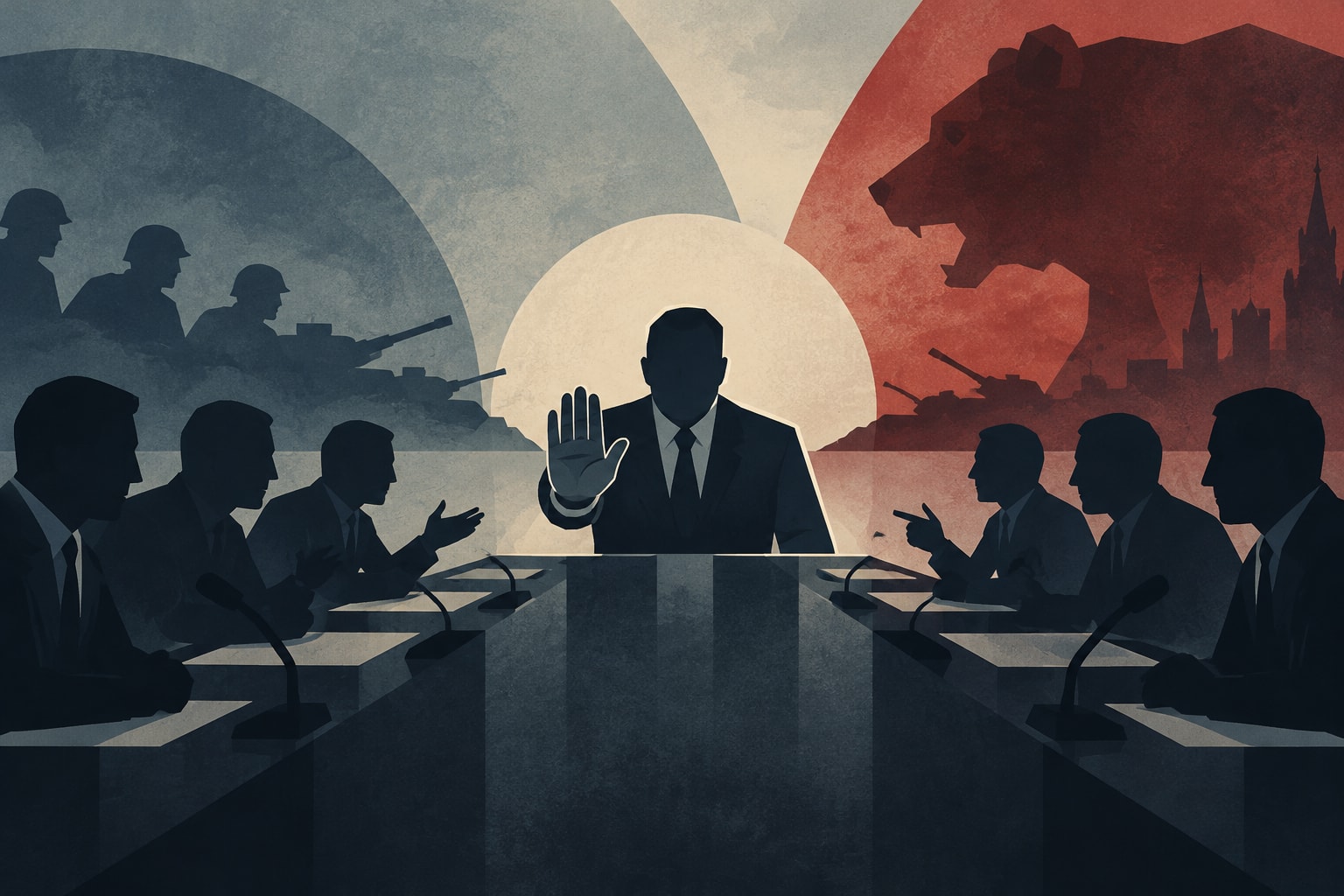
In a bid to stabilize relations, the Pentagon has asked NATO countries to ease their language regarding the Russian threat.
What's Happening
- •Pentagon officials have requested NATO countries to reduce inflammatory language regarding Russia.
- •This request follows heightened tensions in Eastern Europe and ongoing military activities by Russia.
- •The move aims to foster a more stable diplomatic environment among NATO allies.
Why It Matters
This development is significant for military personnel and their families as it reflects a shift in how the U.S. is approaching its relationship with NATO and Russia. Understanding these dynamics can help service members prepare for potential changes in their assignments and operational focus.
What Changes Now
- •NATO countries are being encouraged to adopt a more measured tone in their communications about Russia. This change may lead to a reduction in military readiness exercises focused on aggression in the region.
- •Service members may experience a shift in mission priorities as the Pentagon emphasizes diplomatic solutions. This could result in a reallocation of resources and adjustments in training schedules.
- •The Pentagon's request could lead to more collaborative efforts among NATO allies. This may involve joint diplomatic initiatives aimed at easing tensions with Russia.
What to Watch
- •Upcoming NATO meetings where military and diplomatic strategies will be discussed. These meetings will be crucial for understanding the direction of U.S. and NATO policies regarding Russia.
- •Statements from Pentagon officials regarding military readiness and posture in Europe. These updates will provide insight into how the U.S. plans to balance diplomacy with defense.
- •Changes in training exercises scheduled for NATO forces. Adjustments to these exercises may reflect the new emphasis on diplomatic engagement rather than aggressive posturing.
Get the Daily Briefing
Military and veteran news that actually affects you, in your inbox each morning.
More Context
- •Background on NATO-Russia Relations: The relationship between NATO and Russia has been strained for years, particularly following Russia's annexation of Crimea in 2014. NATO countries have often expressed concerns about Russia's military maneuvers near their borders, leading to increased military readiness and joint exercises among member states. The current request from the Pentagon reflects an effort to balance military preparedness with diplomatic dialogue, aiming to prevent further escalation of tensions.
- •Implications for Military Personnel: Active duty service members, particularly those in NATO countries, may experience changes in operational directives as a result of this request. For example, units stationed in Europe could see a shift in focus from aggressive posturing to more diplomatic engagements. This could affect training exercises, deployments, and the overall military readiness posture as leaders reassess the situation in light of diplomatic efforts.
- •What This Means for Service Members: Service members in the ranks of E-4 to E-6, especially those involved in international operations, should stay informed about potential changes in mission parameters. The Pentagon's request could lead to adjustments in the language used in official communications and training materials. It's crucial for service members to remain adaptable and ready for shifts in strategy that prioritize diplomacy while maintaining readiness.
- •Monitoring Future Developments: Service members and their families should keep an eye on upcoming NATO meetings and statements from Pentagon officials regarding Russia. Key decisions about military posture and readiness may emerge from these discussions, impacting troops stationed in Europe. Staying updated through official channels will be essential for understanding how these diplomatic efforts translate into operational changes.
Frequently Asked Questions
Does this affect Guard members on Title 10 orders?
Yes, Guard members on Title 10 orders may see changes in their operational directives based on the Pentagon's request for toned-down rhetoric.
Will my unit's training schedule change because of this?
It's possible that training schedules will be adjusted to reflect a new focus on diplomacy, so service members should stay informed about updates from their leadership.
How can I stay updated on these developments?
Service members should monitor official Pentagon and NATO communications, as well as their unit's announcements for the latest information on policy changes.
The Daily Briefing
Military & veteran news that actually affects you — delivered every morning.
- Pay, benefits & policy changes
- Pentagon decisions that matter
- VA updates for veterans & families
- One email. No spam. Unsubscribe anytime.
Related Stories
- Essential Etiquette for Attending the Marine Corps Birthday Ball— Military.com
- Air Force Launches Free Wi-Fi for Airmen in Dormitories— Federal News Network
- Canada's Gripen Fighter Decision Could Boost Local Aerospace Industry— Defense News
- Britain Will Not Join Canada-Led Defense Bank Initiative— Defense News