Pentagon's SHINE Program Researches Innovative Treatments for TBI
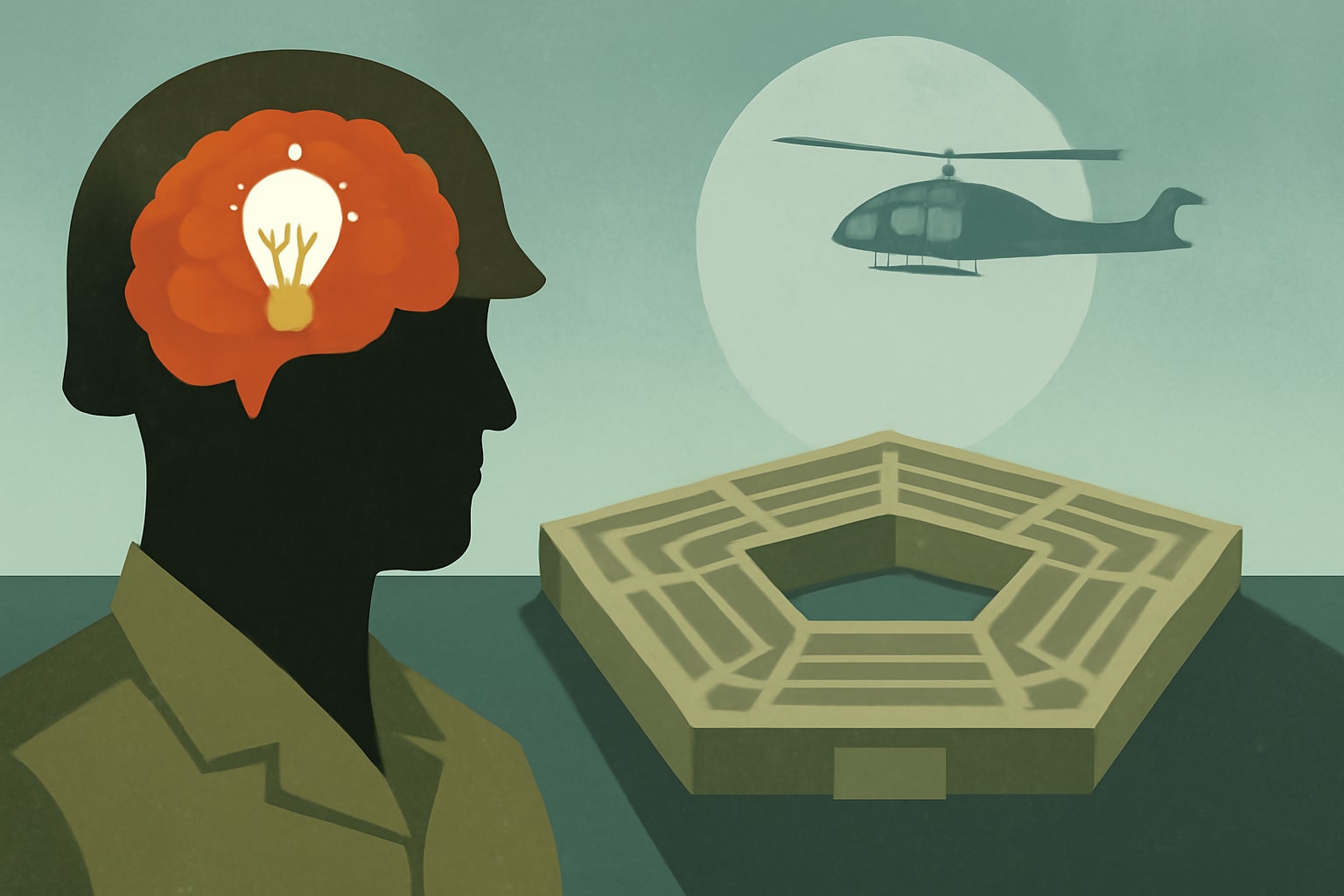
The Defense Advanced Research Projects Agency is launching a program to improve treatments for traumatic brain injury among service members.
What's Happening
- •The Defense Advanced Research Projects Agency (DARPA) has initiated the SHINE program focused on traumatic brain injury (TBI) research.
- •This program aims to develop innovative treatments for TBI, which is prevalent among service members.
- •The SHINE program will utilize cutting-edge technology to enhance recovery outcomes for affected individuals.
Why It Matters
The SHINE program represents a significant investment in the health and recovery of service members affected by traumatic brain injuries. Given the high incidence of TBI in military operations, improved treatment options can enhance the quality of life for many veterans and active-duty personnel, ensuring they receive the care they need to recover and reintegrate into civilian life.
What Changes Now
- •The SHINE program's initiation marks a new chapter in TBI research for military personnel. This means that innovative treatment options may soon be available to those suffering from TBI, improving recovery outcomes.
- •Service members diagnosed with TBI will now have access to cutting-edge research and potential therapies developed through the SHINE program. This could lead to personalized treatment regimens that address their specific needs.
- •Healthcare providers in military and veteran facilities will need to stay updated on the SHINE program's findings. This ensures that they can implement new treatment protocols as they become available.
What to Watch
- •The timeline for the SHINE program's research phases will be critical to monitor. Key milestones will determine when new treatment options may be rolled out to service members and veterans.
- •Stakeholder engagement sessions are expected to occur as the program progresses. These sessions will provide insights into how the research findings will be integrated into existing healthcare frameworks.
- •Updates from DARPA regarding the SHINE program's advancements will be crucial. Keeping an eye on these announcements will help service members understand when they might benefit from new treatments.
Get the Daily Briefing
Military and veteran news that actually affects you, in your inbox each morning.
More Context
- •Understanding Traumatic Brain Injury in the Military: Traumatic brain injury (TBI) is a significant concern for military personnel, particularly those in combat roles. According to the Department of Defense, TBI has been diagnosed in thousands of service members, often resulting from blasts, falls, or other combat-related incidents. The symptoms can range from mild concussions to severe cognitive impairments, affecting a service member's ability to perform their duties and impacting their quality of life. The SHINE program aims to address these challenges by researching effective treatment options that can lead to better recovery rates.
- •The SHINE Program's Objectives and Approach: The SHINE program focuses on understanding the underlying mechanisms of TBI and developing targeted therapies. By leveraging advanced research methodologies and technologies, DARPA intends to create innovative solutions that can be deployed in both acute and long-term care settings. This includes exploring neuroprotective agents, rehabilitation techniques, and personalized medicine approaches tailored to individual service members’ needs. The program's comprehensive strategy reflects a commitment to improving health outcomes for those who serve.
- •Who Will Benefit from the SHINE Program?: Active duty service members across all branches, particularly those in combat roles, will benefit from the SHINE program. This includes enlisted personnel, such as infantry soldiers (11B) and special operations forces, who are at higher risk for TBI. Additionally, veterans who have experienced TBI during their service may also gain access to new treatment options as the research progresses. The program aims to ensure that both current and former service members receive the best possible care for their injuries.
- •Next Steps and Future Monitoring: As the SHINE program unfolds, service members and veterans should stay informed about the developments in TBI research. The initial phase of research is expected to last several years, with findings potentially influencing treatment protocols in military and veteran healthcare systems. Stakeholders, including military healthcare providers and veteran service organizations, will play a crucial role in disseminating information about new treatment options as they become available.
Frequently Asked Questions
What is the SHINE program?
The SHINE program is a DARPA initiative focused on researching new treatments for traumatic brain injuries affecting military personnel.
How will this program help service members?
The program aims to develop innovative therapies that can enhance recovery outcomes for those diagnosed with TBI.
Will veterans benefit from the SHINE program?
Yes, veterans with traumatic brain injuries may gain access to new treatment options as research progresses.
The Daily Briefing
Military & veteran news that actually affects you — delivered every morning.
- Pay, benefits & policy changes
- Pentagon decisions that matter
- VA updates for veterans & families
- One email. No spam. Unsubscribe anytime.
Related Stories
- US Navy Awards Raytheon $24.4B for SM-6 Missiles Amid Stockpile Concerns— Military Times
- U.S. Marines Deployed to Baltic Sea to Protect Undersea Infrastructure— Military Times
- The Army Must Tackle Its Logistics Challenges Before the Next Conflict— Military Times
- Navy Shipyard Upgrades Could Take 50 Years, Cost $200 Billion— Task & Purpose