Pentagon Plans Fleet of Portable SCIFs to Enhance National Security
The Pentagon's initiative aims to allow more contractors to engage in classified work and enhance collaboration with government teams.
What's Happening
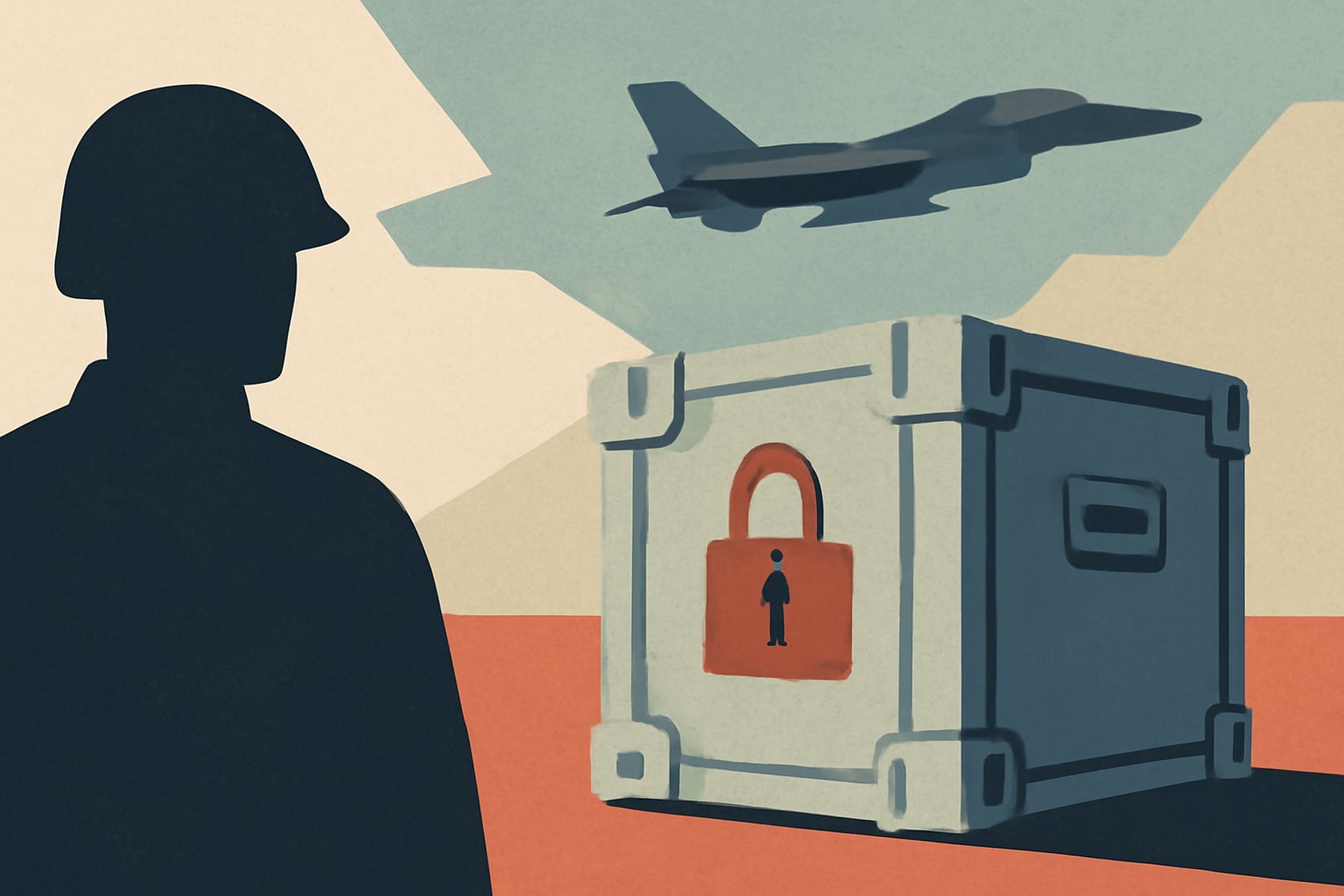
- •The Pentagon is planning to deploy a fleet of portable Sensitive Compartmented Information Facilities (SCIFs).
- •This initiative aims to facilitate collaboration between nontraditional contractors and government teams.
- •The move is expected to open up opportunities for classified work within the defense sector.
Why It Matters
The introduction of portable SCIFs is a significant development for military operations, as it enhances the ability to conduct classified work in varied environments. For service members and contractors, this means more opportunities for collaboration and innovation in national security efforts, which can lead to improved operational effectiveness.
What Changes Now
- •The Pentagon is deploying portable SCIFs to enhance classified operations. This will allow service members and contractors to work securely in diverse environments, improving operational flexibility.
- •Nontraditional contractors will now have the opportunity to engage in classified work. This change is expected to bring in new expertise and innovation to national security projects.
- •Service members in intelligence roles will need to adapt to new protocols for accessing and managing classified information. Training may be required to ensure compliance with security measures for these portable facilities.
What to Watch
- •Monitor the timeline for the deployment of portable SCIFs. The Pentagon is expected to release specific dates for operational testing and full deployment in the coming months.
- •Watch for guidelines from the Department of Defense on integrating portable SCIFs into existing operations. These guidelines will be crucial for understanding how service members will interact with these facilities.
- •Keep an eye on feedback from contractors involved in the initial rollout. Their experiences will provide insights into the effectiveness and challenges of using portable SCIFs in the field.
Get the Daily Briefing
Military and veteran news that actually affects you, in your inbox each morning.
More Context
- •Understanding Portable SCIFs: Sensitive Compartmented Information Facilities (SCIFs) are secure areas where classified information can be accessed and processed. The Pentagon's plan to introduce portable SCIFs represents a significant shift in how classified operations can be conducted, especially in dynamic environments. These mobile units will allow military and defense contractors to work securely in the field, enhancing operational flexibility. By making SCIFs portable, the Pentagon aims to streamline processes and reduce the time and resources needed to set up secure environments for classified discussions and operations.
- •Impact on Contractors and Collaboration: The initiative is designed to broaden the pool of contractors eligible for classified work, particularly nontraditional contractors who may not have previously engaged with government projects. This change could lead to increased innovation and efficiency as diverse expertise is brought into national security efforts. By allowing more contractors to participate, the Pentagon hopes to foster a collaborative environment that leverages the strengths of both government and private sector capabilities. This could also enhance the speed at which new technologies are developed and deployed in support of national security objectives.
- •Who Will Be Affected?: Active duty service members, particularly those in intelligence roles such as 35F Intelligence Analysts or 35G Imagery Analysts, will likely see changes in how they collaborate with contractors. Additionally, reserve components, including Navy Reservists in the 641X Intelligence Specialist rating, may also be involved in operations utilizing these portable SCIFs. The initiative could impact how these service members access and manage classified information in the field, potentially leading to more streamlined operations and improved security protocols.
- •Next Steps and Monitoring Progress: As the Pentagon rolls out this initiative, stakeholders should monitor the implementation timeline for the portable SCIFs. Key dates for deployment and operational testing will be critical for contractors and service members alike. Additionally, the Department of Defense will likely release guidelines on how these portable SCIFs will be integrated into existing operations, which will be important for all personnel involved in classified work. Keeping an eye on these developments will be essential for those affected by the changes.
Frequently Asked Questions
Will my unit use portable SCIFs during deployments?
Yes, units involved in classified operations may utilize portable SCIFs to enhance security and flexibility.
How will this affect my training as an intelligence analyst?
Training may be updated to include protocols for using portable SCIFs, ensuring that you are prepared to handle classified information securely.
Can nontraditional contractors work with my unit now?
Yes, the new initiative opens opportunities for nontraditional contractors to collaborate with military units on classified projects.
The Daily Briefing
Military & veteran news that actually affects you — delivered every morning.
- Pay, benefits & policy changes
- Pentagon decisions that matter
- VA updates for veterans & families
- One email. No spam. Unsubscribe anytime.
Related Stories
- Senate Lawmakers Urge Pentagon for Greater Price Transparency in Contracts— Federal News Network
- D.C. Circuit Ruling Could Threaten Defense Contractors, Officials Warn— DefenseScoop
- Pentagon Orders Universities to Sever Foreign Research Ties— Military Times
- U.S. Special Operations Command Adopts New Half-Mask and Goggles— Army Times