Pentagon Official Calls for Increased Defense Spending from Asian Allies
As tensions rise in the Asia-Pacific region, the Pentagon urges allies to invest more in defense capabilities.
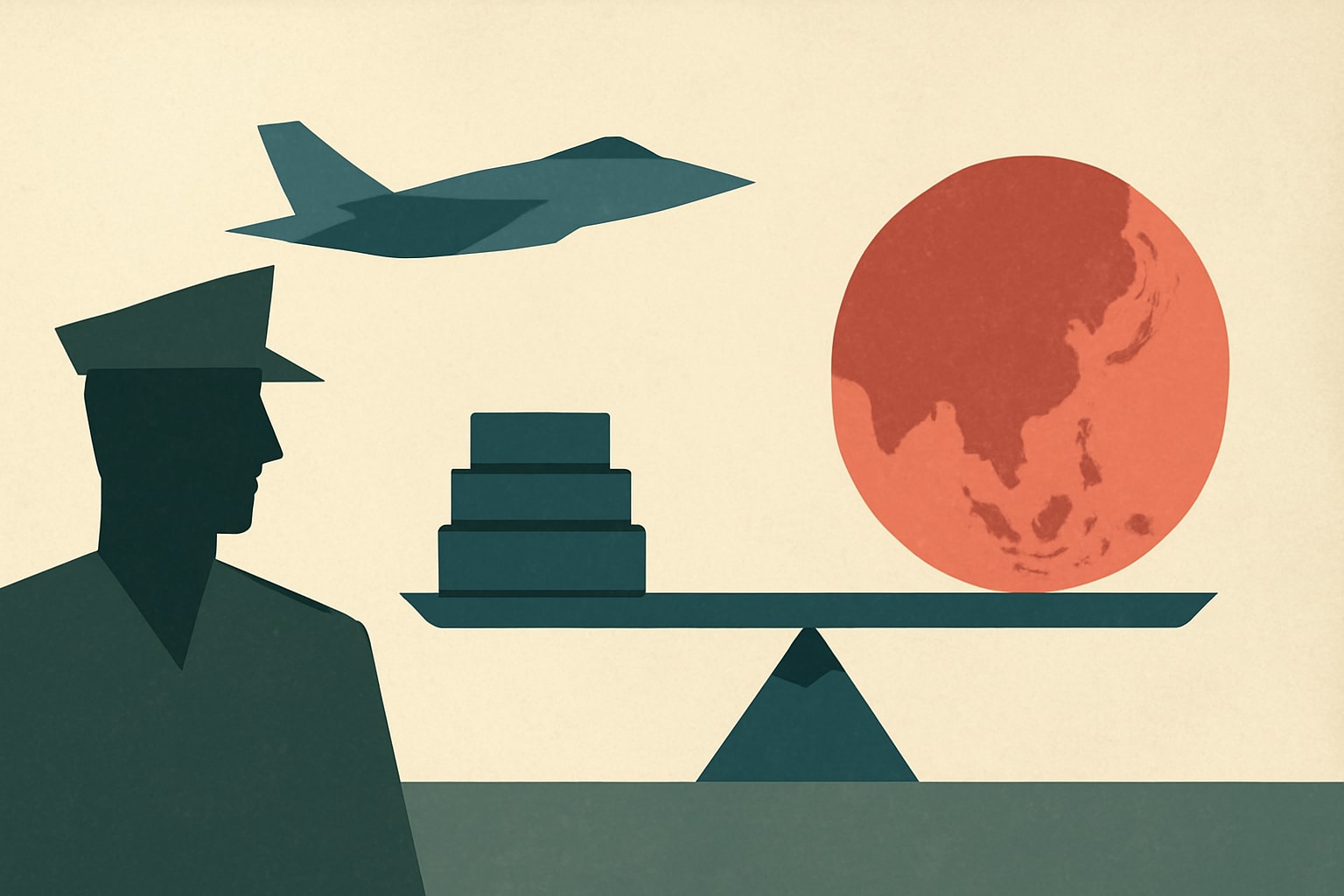
What's Happening
- •The Pentagon is urging Asian allies to increase their defense spending.
- •This call comes amid ongoing territorial disputes involving China and several Southeast Asian nations.
- •Countries like the Philippines, Vietnam, and Taiwan are highlighted as key players in regional stability.
Why It Matters
The call for increased defense spending from Asian allies is significant for U.S. military strategy and regional stability. For service members, this could translate into new training opportunities and a more robust defense posture in the Asia-Pacific, directly affecting their roles and responsibilities.
What Changes Now
- •Asian allies are being encouraged to allocate more funds to their defense budgets. This change aims to strengthen regional security and U.S. interests in the Indo-Pacific.
- •The U.S. may increase its military presence in response to heightened tensions. This could lead to more joint exercises and training opportunities for service members stationed in the region.
- •Service members should prepare for potential shifts in deployment schedules as allied nations enhance their military capabilities. This will require adaptability and readiness for new operational environments.
What to Watch
- •Upcoming defense budget announcements from allied nations will reveal their commitment to increased spending. These announcements are expected to occur in the next fiscal year, impacting regional military dynamics.
- •Joint military exercises scheduled for the coming months will provide insight into the level of cooperation between the U.S. and its allies. Observing these exercises will help gauge the effectiveness of enhanced defense strategies.
- •Changes in U.S. military deployments in the Pacific may occur as a result of these developments. Monitoring official announcements from the Pentagon will be crucial for understanding operational shifts.
Get the Daily Briefing
Military and veteran news that actually affects you, in your inbox each morning.
More Context
- •Background on Regional Tensions: The Asia-Pacific region has seen escalating tensions, particularly concerning territorial disputes in the South China Sea. Nations such as the Philippines, Vietnam, and Taiwan have been involved in long-standing standoffs with China, which has been assertive in its territorial claims. These disputes not only threaten regional stability but also impact global trade routes, making it imperative for allied nations to bolster their defense capabilities.
- •Pentagon's Rationale for Increased Spending: The Pentagon's push for increased defense spending is rooted in the need for a united front against potential aggression from China. By investing more in their military capabilities, Asian allies can enhance deterrence and ensure a collective security framework. This strategy aligns with U.S. interests in maintaining a free and open Indo-Pacific region, which is vital for international security and economic prosperity.
- •Implications for Service Members: Active duty personnel, particularly those in the Pacific Command, may see shifts in operational focus as allies enhance their military readiness. This could lead to increased joint exercises and training opportunities, which would benefit service members by improving interoperability with allied forces. Additionally, a stronger defense posture among allies could lead to more stable deployments and reduced tensions in the region.
- •What Service Members Should Monitor: Service members should keep an eye on upcoming defense budget announcements from allied nations, as these will indicate shifts in military priorities. Monitoring joint exercises and training schedules will also be crucial, as increased collaboration may lead to new opportunities for engagement. Lastly, any changes in U.S. military presence in Asia as a result of these developments could directly impact deployments and operational readiness.
Frequently Asked Questions
Does this affect Guard members on Title 10 orders?
Yes, Guard members on Title 10 orders may participate in increased joint exercises and training with allied forces.
Will my BAH change if I move duty stations mid-year?
Your Basic Allowance for Housing (BAH) may be adjusted based on the new duty station's location and cost of living.
The Daily Briefing
Military & veteran news that actually affects you — delivered every morning.
- Pay, benefits & policy changes
- Pentagon decisions that matter
- VA updates for veterans & families
- One email. No spam. Unsubscribe anytime.
Related Stories
- Congress Must Enhance TRICARE Budget Oversight for Military Families— Federal News Network
- Eight Sailors from USS Abraham Lincoln Strike Group Attempt Suicide— Military Times
- Royal Navy Successfully Launches US Mk 48 Torpedo from Uncrewed Submersible— Military Times
- Hegseth to Chair Pentagon’s New Homeland Defense Advisory Board— Defense News