Pentagon Explores AI Technology for Monitoring Military Inmates’ Phone Calls
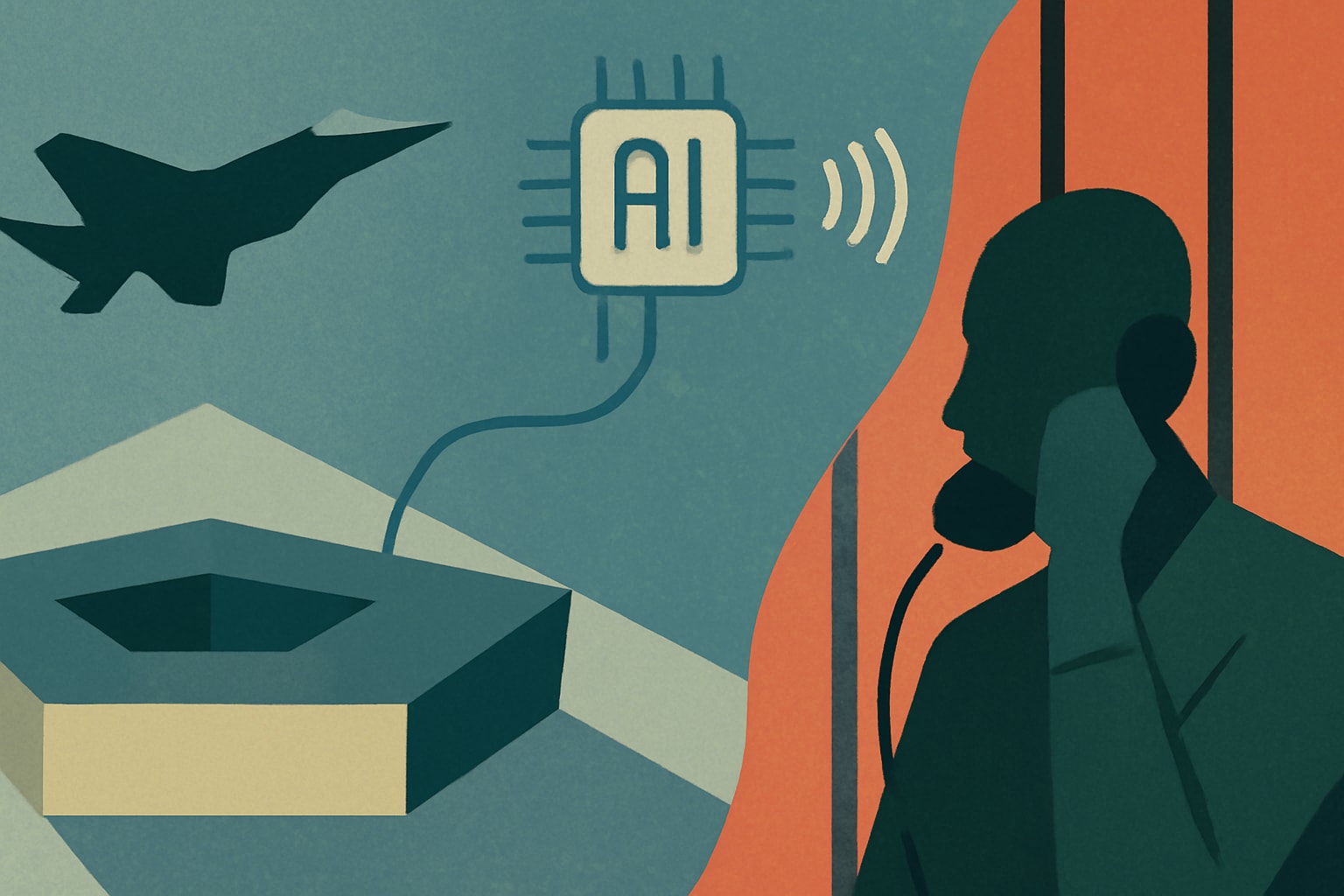
The Pentagon is considering the use of AI to enhance surveillance of communications from individuals incarcerated in the Military Correctional Complex.
What's Happening
- •The Pentagon is looking to expand surveillance of communications by military inmates.
- •AI technology is being considered for monitoring phone calls made by incarcerated service members.
- •This initiative is part of a broader effort to enhance security within military correctional facilities.
Why It Matters
For service members and veterans, the implications of AI monitoring in military correctional facilities raise significant concerns regarding privacy and civil rights. As the military justice system evolves, understanding these changes is crucial for maintaining the balance between security and the rights of incarcerated individuals.
What Changes Now
- •The Pentagon is initiating AI monitoring of inmate communications. This change will likely affect how incarcerated service members communicate with the outside world.
- •Increased surveillance may lead to restrictions on phone call content. This could impact the ability of inmates to communicate freely with family and legal counsel.
- •Service members facing incarceration should be aware of these changes. Understanding the potential for surveillance can help them navigate their rights and responsibilities.
What to Watch
- •Upcoming decisions on the specific AI technologies to be implemented. These decisions will determine the scope and nature of the monitoring efforts.
- •Engagement from legal advocates regarding the implications of AI monitoring. Their input may influence how the policy is shaped and enforced.
- •Potential legislative discussions surrounding the privacy rights of military inmates. This could lead to broader conversations about civil liberties within the military justice system.
Get the Daily Briefing
Military and veteran news that actually affects you, in your inbox each morning.
More Context
- •Overview of the Initiative: The Pentagon is actively exploring the implementation of artificial intelligence to monitor phone calls made by military inmates within the Military Correctional Complex. This initiative aims to bolster security and oversight in facilities housing service members who have been incarcerated for various offenses. By utilizing AI, officials believe they can more effectively track communications that may pose a security risk or violate facility rules.
- •Implications for Military Inmates: The introduction of AI monitoring could significantly impact the privacy of military inmates, including those from various branches such as the Army, Navy, Air Force, and Marines. Service members currently incarcerated may find their communications under increased scrutiny, which could affect their ability to maintain contact with family and legal representatives. This change raises important questions about the balance between security and the rights of individuals within the military justice system.
- •Who Will Be Affected?: Active duty service members, particularly those in the rank of E-1 to E-6, who are currently incarcerated or may face incarceration in the future, will be directly affected by this policy. Additionally, those in the Reserve Component, including National Guard members, could also experience implications regarding their communications while serving time. Understanding these changes is crucial for service members and their families as they navigate the complexities of military justice.
- •Next Steps and Monitoring: As the Pentagon moves forward with this initiative, service members and their families should stay informed about developments regarding AI monitoring. Key decisions regarding the implementation timeline and specific technologies to be used are expected in the coming months. Stakeholders, including legal advocates and military family organizations, will likely engage in discussions about the potential ramifications of these changes.
Frequently Asked Questions
Will this affect my ability to communicate with my family if I am incarcerated?
Yes, the introduction of AI monitoring could lead to increased scrutiny of your communications, potentially impacting how you interact with family members.
What should I do if I have concerns about my privacy as a military inmate?
You should stay informed about the developments regarding AI monitoring and consider speaking with legal counsel to understand your rights.
Veteran Take
For those who've served, the idea of AI monitoring in military correctional facilities raises serious questions about our rights and privacy. We understand the need for security, but it’s vital that the military justice system doesn't compromise the civil liberties of those who have already faced the consequences of their actions. Veterans navigating this will want to ensure that any measures taken are transparent and just, protecting the dignity of all service members, even in their most challenging times.
The Daily Briefing
Military & veteran news that actually affects you — delivered every morning.
- Pay, benefits & policy changes
- Pentagon decisions that matter
- VA updates for veterans & families
- One email. No spam. Unsubscribe anytime.
Related Stories
- Africom Establishes New Defense Economics Office to Enhance Security— DefenseScoop
- US Air Force to Extend Service Life of B-1 and B-2 Bombers— Military Times
- Pentagon's $450 Million Investment in Tungsten Will Create 1,200 Jobs— Military.com
- Coast Guard Contractor Allowed to Sue Trump Administration Over Firing— Military.com