Pentagon CIO Replaces White House National Cyber Director After Tech Outages
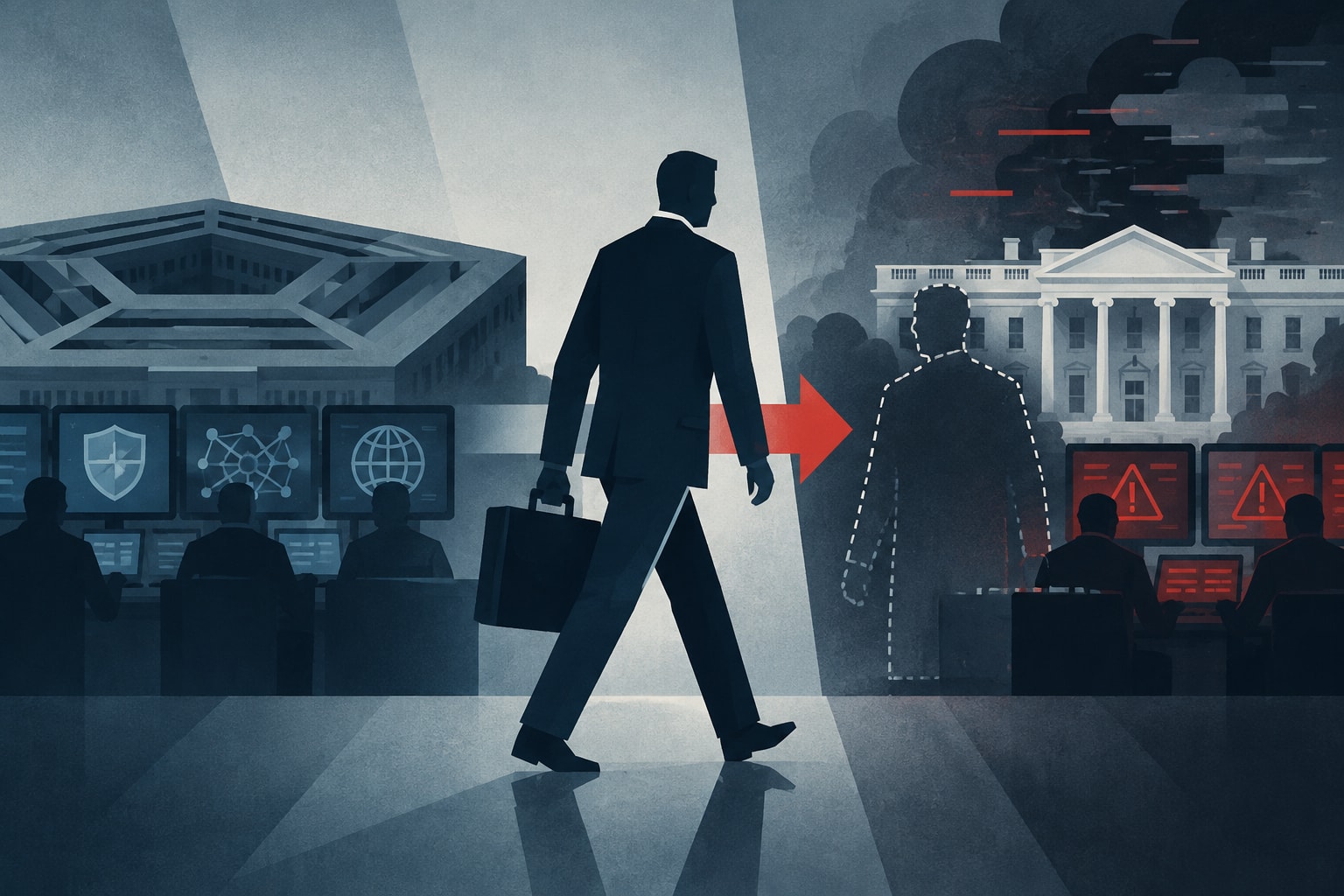
The Pentagon's CIO, Kirsten Davies, steps in as the interim national cyber director following the dismissal of Sean Cairncross.
What's Happening
- •Sean Cairncross, the White House national cyber director, has been fired.
- •Kirsten Davies, the Pentagon CIO, will serve as the temporary replacement.
- •This leadership change comes after significant technology outages affecting government operations.
Why It Matters
This leadership change is significant for the military and veteran community as it directly impacts cybersecurity policies that protect national security. With increasing reliance on technology in military operations, the effectiveness of cybersecurity measures is crucial for safeguarding sensitive information and maintaining operational integrity.
What Changes Now
- •Kirsten Davies will take over as the interim national cyber director immediately. This change means that she will influence national cybersecurity strategies and potentially affect military operations.
- •There may be a review of current cybersecurity policies and initiatives under Davies' leadership. This review could lead to new directives for service members involved in cyber operations.
- •Active duty service members in cybersecurity roles should prepare for possible changes in training and operational focus. These changes may be communicated through official military channels in the coming weeks.
What to Watch
- •Upcoming policy directives from the Office of the National Cyber Director. These will outline the new priorities and strategies for national cybersecurity under Davies' leadership.
- •Potential announcements regarding new training programs for military cyber personnel. These may be revealed as Davies assesses current capabilities and identifies areas for improvement.
- •Updates on inter-agency collaborations aimed at enhancing cybersecurity measures. This could involve joint exercises or initiatives that service members in cyber roles need to be aware of.
Get the Daily Briefing
Military and veteran news that actually affects you, in your inbox each morning.
More Context
- •Leadership Transition in Cybersecurity: The recent firing of Sean Cairncross has raised concerns about the direction of the national cybersecurity strategy. As the White House national cyber director, Cairncross was responsible for coordinating federal efforts to secure the nation’s digital infrastructure. His dismissal comes at a critical time, as cybersecurity threats continue to evolve, posing risks to both governmental and military operations. Kirsten Davies, now stepping in as the interim director, brings a wealth of experience from her role as the Pentagon's Chief Information Officer. Her leadership will be crucial in maintaining continuity and addressing the immediate challenges faced by the cybersecurity sector.
- •Impact on Military Cyber Operations: The change in leadership may have direct implications for military personnel involved in cybersecurity roles. Active duty service members, particularly those in the 17 series MOS (Cyber Operations Specialists), may experience shifts in policy or focus areas as Davies implements her vision. This transition could affect ongoing training programs and operational readiness in the face of increasing cyber threats. It is essential for those serving in cyber roles to remain informed about any changes in directives or priorities that may arise from this leadership shift.
- •What This Means for Future Cyber Policy: As the Pentagon CIO, Kirsten Davies will likely prioritize enhancing inter-agency collaboration to strengthen national cybersecurity measures. This could lead to new initiatives aimed at improving the resilience of military and civilian networks. Service members and veterans involved in technology and cybersecurity should be prepared for potential updates to policies that govern their operations. Additionally, there may be new opportunities for training and development as the focus on cybersecurity intensifies across all branches of the military.
Frequently Asked Questions
Does this affect Guard members on Title 10 orders?
Yes, changes in national cybersecurity leadership can impact all service members, including those in the National Guard on Title 10 orders, as they may be involved in federal cybersecurity operations.
Will my training change if I work in cybersecurity?
There may be updates to training programs for service members in cybersecurity roles as new policies are implemented under the interim national cyber director.
The Daily Briefing
Military & veteran news that actually affects you — delivered every morning.
- Pay, benefits & policy changes
- Pentagon decisions that matter
- VA updates for veterans & families
- One email. No spam. Unsubscribe anytime.
Related Stories
- Trump and Dana White Donate $500,000 to Marine Corps Band Members— Military Times
- Commanders Face Ongoing Challenges with Battlefield Visibility— Federal News Network
- Army Major Who Survived Iranian Strike Files Complaint Against Pentagon— Military.com
- DoD Watchdog Reports Oversight Failures in Congress's Medical Office— Navy Times