Oklahoma Executes Air Force Veteran, Murderer James Pavatt
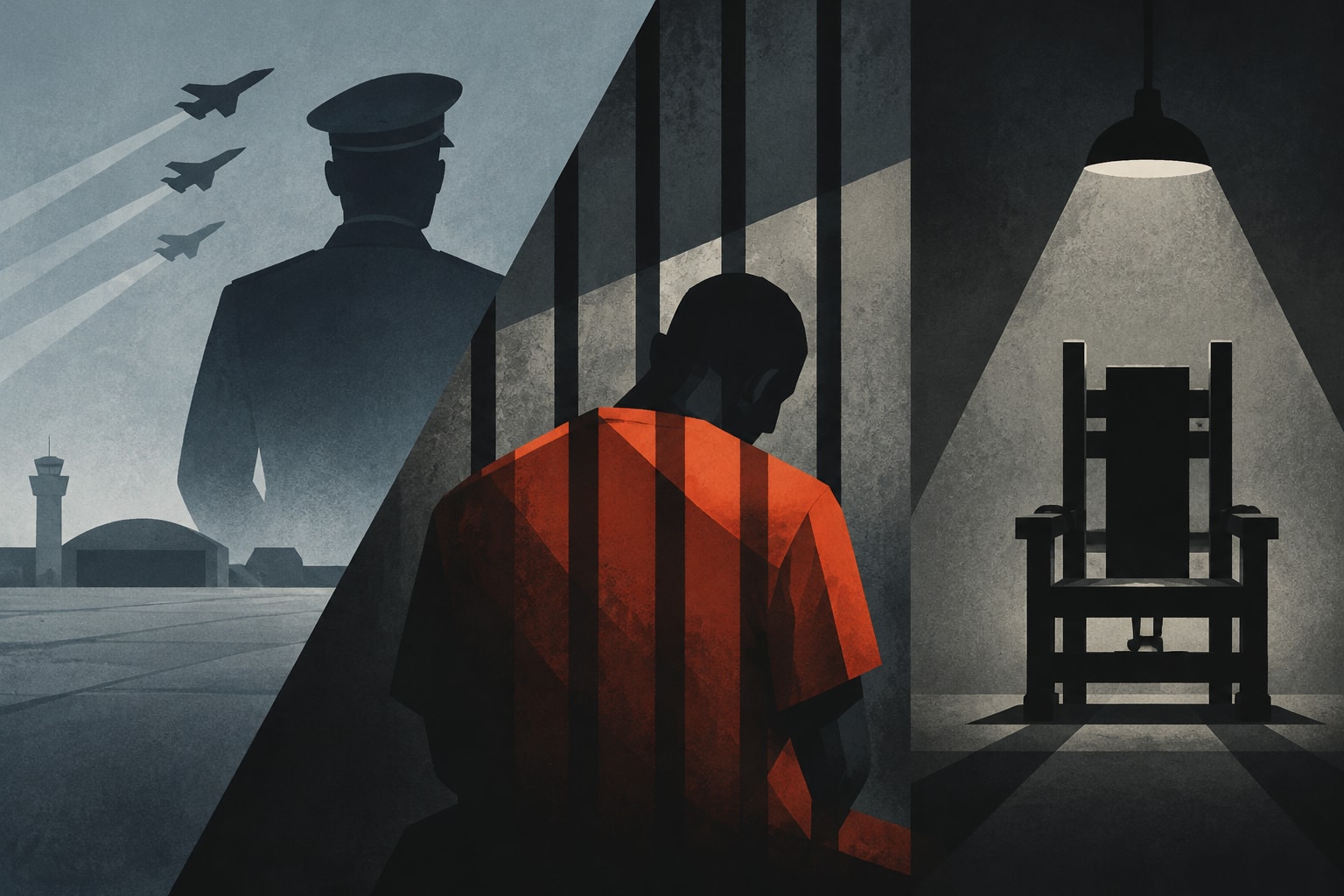
James Pavatt, an Air Force veteran, was executed in Oklahoma for a 2001 murder after failed clemency efforts and protests from veteran groups.
What's Happening
- •Oklahoma executed Air Force veteran James Pavatt on November 12, 2026.
- •Pavatt was convicted for a murder committed in 2001.
- •His clemency bid was denied despite protests from veterans groups.
Why It Matters
The execution of James Pavatt is significant for the military and veteran community as it challenges perceptions of justice in the context of military service. It raises questions about accountability and the expectations placed on veterans, particularly those who have committed serious crimes, and how their service is viewed in light of their actions.
What Changes Now
- •The execution of Pavatt solidifies the stance that military service does not shield individuals from legal consequences. This may impact how future cases involving veterans are handled, particularly in terms of public and institutional support for clemency.
- •Veterans organizations may reassess their policies regarding advocacy for clemency in cases of violent crimes. This could lead to a shift in how these groups engage with legal cases involving former service members.
- •Public perception of veterans in the criminal justice system may evolve following this case. Increased scrutiny may arise regarding the actions of veterans and the societal expectations surrounding their conduct.
What to Watch
- •Monitor reactions from veterans organizations regarding clemency policies. Their statements may indicate a shift in advocacy strategies for future cases.
- •Watch for any legislative discussions on veterans and criminal justice reform. This execution could prompt lawmakers to revisit policies affecting veterans in the legal system.
- •Keep an eye on public sentiment towards veterans involved in criminal activities. Changes in perception may influence future cases and the support they receive.
Get the Daily Briefing
Military and veteran news that actually affects you, in your inbox each morning.
More Context
- •Background on James Pavatt: James Pavatt served in the U.S. Air Force before being convicted of murder in 2001. His case drew significant media attention due to his military background and the nature of his crime, which involved the death of a woman in Oklahoma. Over the years, Pavatt's legal team sought clemency, arguing that his military service should be considered in the context of his sentencing. However, these efforts were met with resistance from various veterans groups who felt that his actions were inexcusable, regardless of his service.
- •Clemency Bid and Protests: Pavatt's clemency bid was a focal point for discussions about justice and military service. Veterans organizations rallied against the clemency, emphasizing that his crime overshadowed his military contributions. The protests highlighted a divide within the veteran community regarding accountability and the consequences of actions taken by service members. While some advocated for mercy based on his service, others insisted that justice must prevail, especially for the victim and her family.
- •Implications for Veterans and Military Justice: The execution of Pavatt raises important questions about how military service is viewed in the context of criminal justice. For veterans, this case serves as a reminder that while service is honored, it does not exempt individuals from facing the consequences of their actions. This incident may influence future discussions on clemency and justice for veterans, particularly in cases involving violent crimes. It underscores the need for a balanced approach that respects both service and accountability.
Frequently Asked Questions
Does this affect veterans on parole or probation?
Yes, the case may influence how parole boards view veterans with criminal histories, potentially leading to stricter evaluations.
What support is available for veterans in legal trouble?
Veterans facing legal issues can seek help from organizations like the Veterans Justice Outreach program, which provides resources and support.
Are there any changes to veteran benefits after a felony conviction?
Yes, a felony conviction can affect eligibility for certain veteran benefits, including housing assistance and educational programs.
The Daily Briefing
Military & veteran news that actually affects you — delivered every morning.
- Pay, benefits & policy changes
- Pentagon decisions that matter
- VA updates for veterans & families
- One email. No spam. Unsubscribe anytime.
Related Stories
- Understanding Health Insurance Options After Military Separation— Military.com
- Trump Administration Will Fund New Research on Ibogaine for Veterans— Military.com
- Veteran Suicides Declined in 2024 for Second Straight Year— Military Times
- New Jersey Governor Warns Ports Against Unloading Russian Diesel— Military.com