North Korea's Kim Jong Un Vows to Expand Nuclear Arsenal
Kim Jong Un's recent visit to nuclear facilities signals a commitment to increasing North Korea's nuclear capabilities, raising concerns for U.S. military strategy.
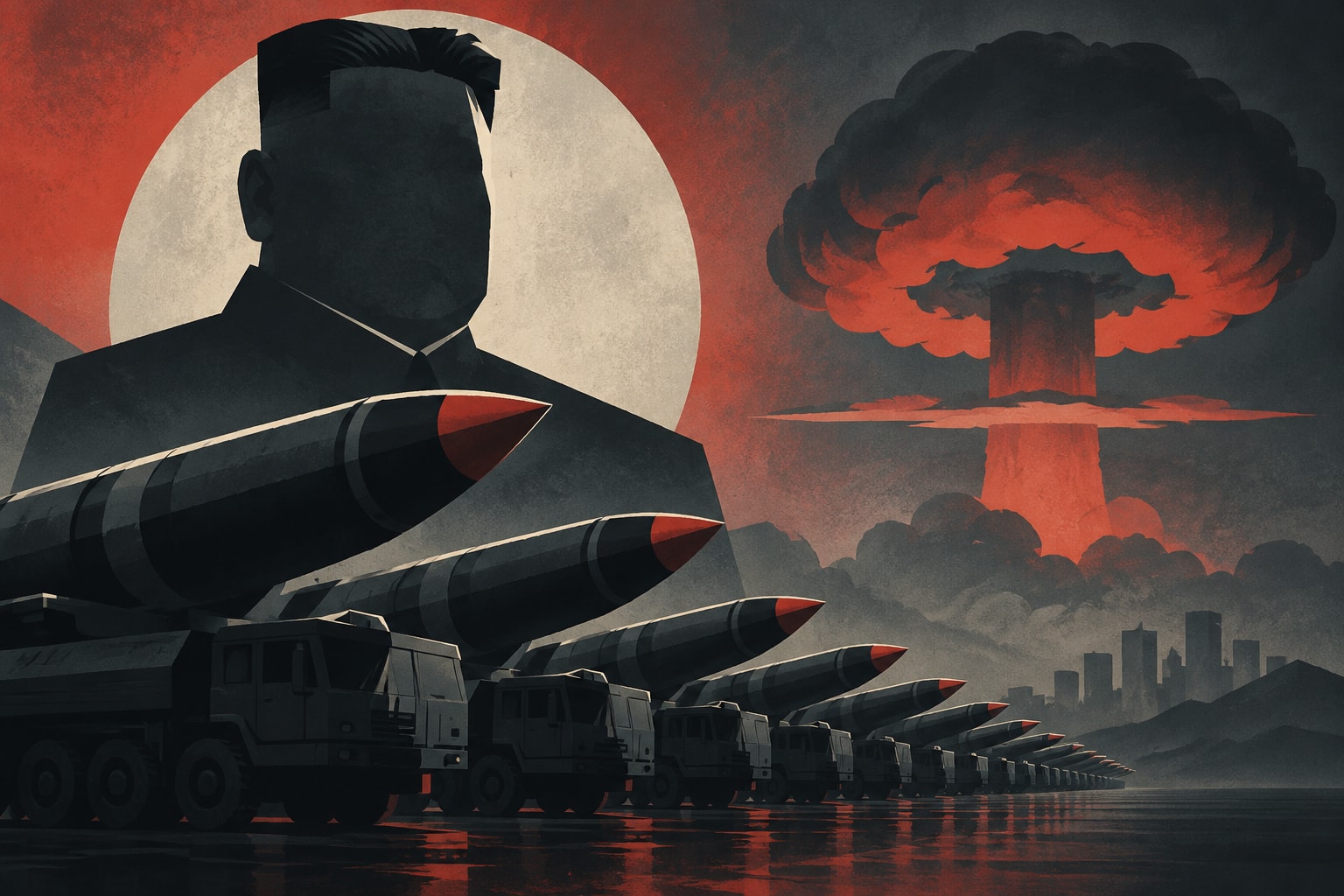
What's Happening
- •Kim Jong Un has visited facilities involved in nuclear weapons production.
- •He has publicly called for an increase in North Korea's nuclear arsenal.
- •This announcement follows a period of diplomatic overtures from the U.S. that were ignored.
Why It Matters
The announcement from North Korea is a critical development that impacts U.S. military strategy and the safety of service members stationed in the region. As tensions rise, understanding these dynamics is essential for military personnel and their families, who may face changes in deployment and operational readiness.
What Changes Now
- •U.S. military readiness protocols may be updated in response to North Korea's nuclear ambitions. This includes potential increases in training exercises and readiness drills for units stationed in the Pacific region.
- •Service members may see changes in deployment orders as the military reassesses its strategy. This could involve reallocating resources to ensure a robust response capability in case of heightened tensions.
- •Intelligence operations will likely intensify to monitor North Korea's nuclear developments closely. Personnel in intelligence roles will need to adapt to new analysis requirements and reporting protocols.
What to Watch
- •Upcoming announcements from the Department of Defense regarding military posture in Asia. These updates will clarify how the U.S. plans to respond to North Korea's nuclear expansion.
- •Potential diplomatic negotiations between the U.S. and North Korea that could alter the current trajectory of tensions. The outcomes of these talks will significantly impact military strategies and readiness.
- •Changes to training programs for service members in response to evolving threats from North Korea. Observing these adjustments will be crucial for understanding operational readiness.
Get the Daily Briefing
Military and veteran news that actually affects you, in your inbox each morning.
More Context
- •North Korea's Nuclear Strategy: North Korea's recent actions under Kim Jong Un highlight a strategic shift towards bolstering its nuclear capabilities. The visit to key production facilities underscores the regime's commitment to enhancing its arsenal in the face of international pressures. This development is significant as it signals a potential escalation in military tensions in the region, particularly with the United States and its allies. Analysts suggest that this move could lead to further destabilization in Northeast Asia, prompting a reassessment of U.S. military readiness and strategic posture in the area.
- •Implications for U.S. Military Readiness: The expansion of North Korea's nuclear arsenal poses direct challenges to U.S. military strategy, particularly for service members stationed in the Pacific. Active-duty personnel, especially those in strategic roles such as 14N intelligence officers and 13B field artillery soldiers, may need to adapt to new operational protocols in response to this threat. This includes increased readiness drills and potential adjustments to deployment strategies, ensuring that U.S. forces remain prepared for any escalation in hostilities.
- •What Service Members Should Monitor: Service members and their families should stay informed about developments in North Korea's nuclear program and the U.S. response. Key areas to watch include changes in military posture announced by the Department of Defense, updates on diplomatic negotiations, and any new defense initiatives aimed at countering North Korea's threats. Additionally, personnel should be aware of potential changes to training programs that may arise in response to evolving threats, ensuring they are prepared for any situation that may arise.
Frequently Asked Questions
Does this affect Guard members on Title 10 orders?
Yes, Guard members on Title 10 orders may need to prepare for increased readiness requirements in response to North Korea's actions.
Will my BAH change if I move duty stations mid-year?
Your Basic Allowance for Housing (BAH) may be affected by your new duty station location, so it's important to check the current rates for your new area.
The Daily Briefing
Military & veteran news that actually affects you — delivered every morning.
- Pay, benefits & policy changes
- Pentagon decisions that matter
- VA updates for veterans & families
- One email. No spam. Unsubscribe anytime.
Related Stories
- Air Force Cloud Platform Breached, Sensitive Data at Risk— Military.com
- Advancements in Battlefield Drones: A Lifesaving Race— Marine Corps Times
- Innovations in Drone Technology: What Military Personnel Need to Know— Navy Times
- Czech Jet Engine Maker Aims to Double Production Capacity in the U.S.— Defense News