FBI Warns Cleared Defense Employees Are Major Targets for North Korean IT Workers
The FBI has alerted contractors about North Korean IT workers seeking jobs with cleared defense companies.
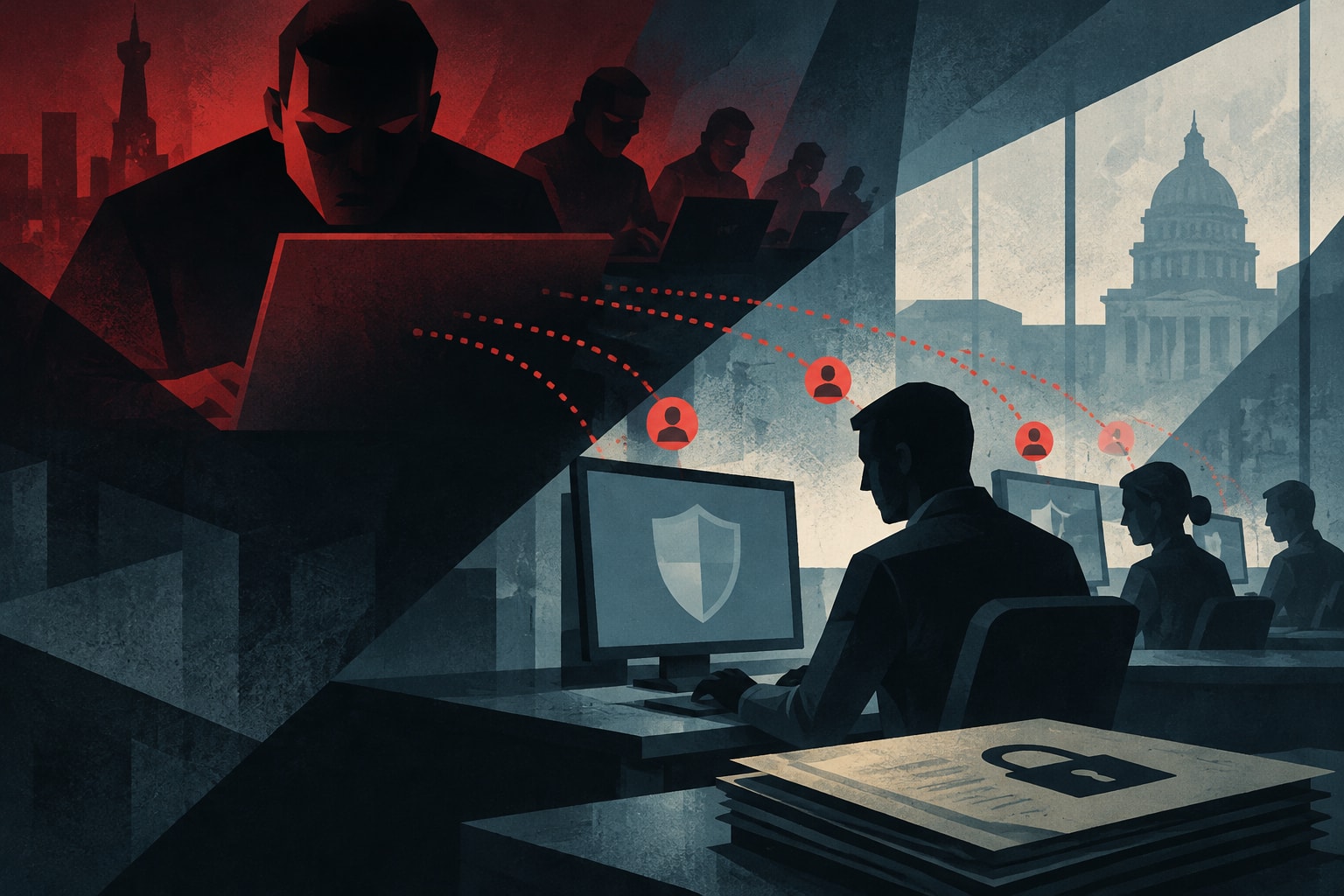
What's Happening
- •The FBI has issued a warning regarding North Korean IT workers targeting cleared defense companies.
- •These workers are attempting to gain employment within organizations that hold government contracts.
- •The alert emphasizes the growing risks associated with cleared employees in the defense sector.
Why It Matters
This warning from the FBI is particularly relevant for military and defense personnel as it highlights the ongoing risks posed by foreign adversaries. For cleared employees, understanding these threats is essential for maintaining national security and ensuring the integrity of sensitive defense operations.
What Changes Now
- •Defense contractors must enhance their hiring processes to include more rigorous background checks. This change is crucial to prevent potential infiltration by foreign adversaries seeking sensitive information.
- •Organizations are advised to implement regular security training for employees regarding foreign threats. This training will help raise awareness and prepare staff to recognize and report suspicious activities.
- •Companies should establish protocols for monitoring foreign connections of applicants. By doing so, they can better assess the risks associated with hiring individuals from countries known for espionage activities.
What to Watch
- •Upcoming FBI updates regarding specific threats to cleared employees should be monitored closely. These updates will provide valuable insights into emerging risks and recommended security practices.
- •Legislative changes related to hiring practices in the defense sector may arise in response to these threats. Keeping informed about these changes will be essential for compliance and security enhancement.
- •The development of new security guidelines for defense contractors is expected in the near future. Companies should prepare to adapt their protocols based on these guidelines to ensure ongoing protection against espionage.
Get the Daily Briefing
Military and veteran news that actually affects you, in your inbox each morning.
More Context
- •Understanding the Threat Landscape: The FBI's recent alert highlights a significant security concern for cleared defense contractors. North Korean IT workers are actively seeking positions within these companies, which could lead to potential espionage or cyber threats. This trend underscores the importance of vigilance among defense contractors, especially those managing sensitive information or technologies. As these threats evolve, companies must adapt their security protocols to mitigate risks associated with foreign adversaries infiltrating their workforce.
- •Who Is Most at Risk?: Active duty personnel, particularly those in technical roles such as 25B Information Technology Specialists and 68A Biomedical Equipment Specialists, are among those who may be directly affected by these threats. Additionally, civilian defense employees holding security clearances are also at risk, as they may inadvertently provide access to sensitive information. The implications of these threats extend beyond individual roles, affecting the overall security posture of military installations and defense operations.
- •Immediate Changes and Recommendations: In light of the FBI's warning, defense contractors should review and enhance their hiring practices to ensure thorough vetting of applicants. This includes implementing stricter background checks and monitoring any foreign connections that potential employees may have. Additionally, companies should conduct regular security training for existing employees to raise awareness about the risks posed by foreign adversaries. These proactive measures are crucial for safeguarding sensitive information and maintaining operational integrity.
- •What to Watch Moving Forward: Organizations should keep an eye on updates from the FBI regarding specific threats and recommended security measures. As the situation evolves, there may be additional guidance released on how to handle foreign applicants within the defense sector. Furthermore, companies should monitor legislative changes that could impact security protocols and hiring practices in response to these threats. Staying informed will be key to adapting to the changing security landscape.
Frequently Asked Questions
Does this affect Guard members on Title 10 orders?
Yes, Guard members on Title 10 orders may be subject to the same security risks as active duty personnel, especially if they are involved in sensitive operations.
Will my security clearance be affected by this alert?
While the alert itself does not directly affect your clearance, it emphasizes the importance of maintaining security protocols to protect sensitive information.
What should I do if I suspect a security breach?
If you suspect a security breach, report it immediately to your chain of command and follow your organization's established protocols for handling such incidents.
The Daily Briefing
Military & veteran news that actually affects you — delivered every morning.
- Pay, benefits & policy changes
- Pentagon decisions that matter
- VA updates for veterans & families
- One email. No spam. Unsubscribe anytime.
Related Stories
- U.S. Navy Reports Highest Number of Class A Aviation Mishaps in 10 Years— Military Times
- U.S. Military Spending on Iran War Surpasses $47 Billion— Military Times
- New Skill Badge Proposed for Air Defense Soldiers with Five Successful Engagements— Task & Purpose
- SOCOM Seeks Common PaaS Environment to Support Tech Testing— DefenseScoop