Navy's 2027 Shipbuilding Plan Requires $54B Annual Investment
The Congressional Budget Office reports that the Navy's shipbuilding plan for fiscal year 2027 will demand a $54 billion annual investment.
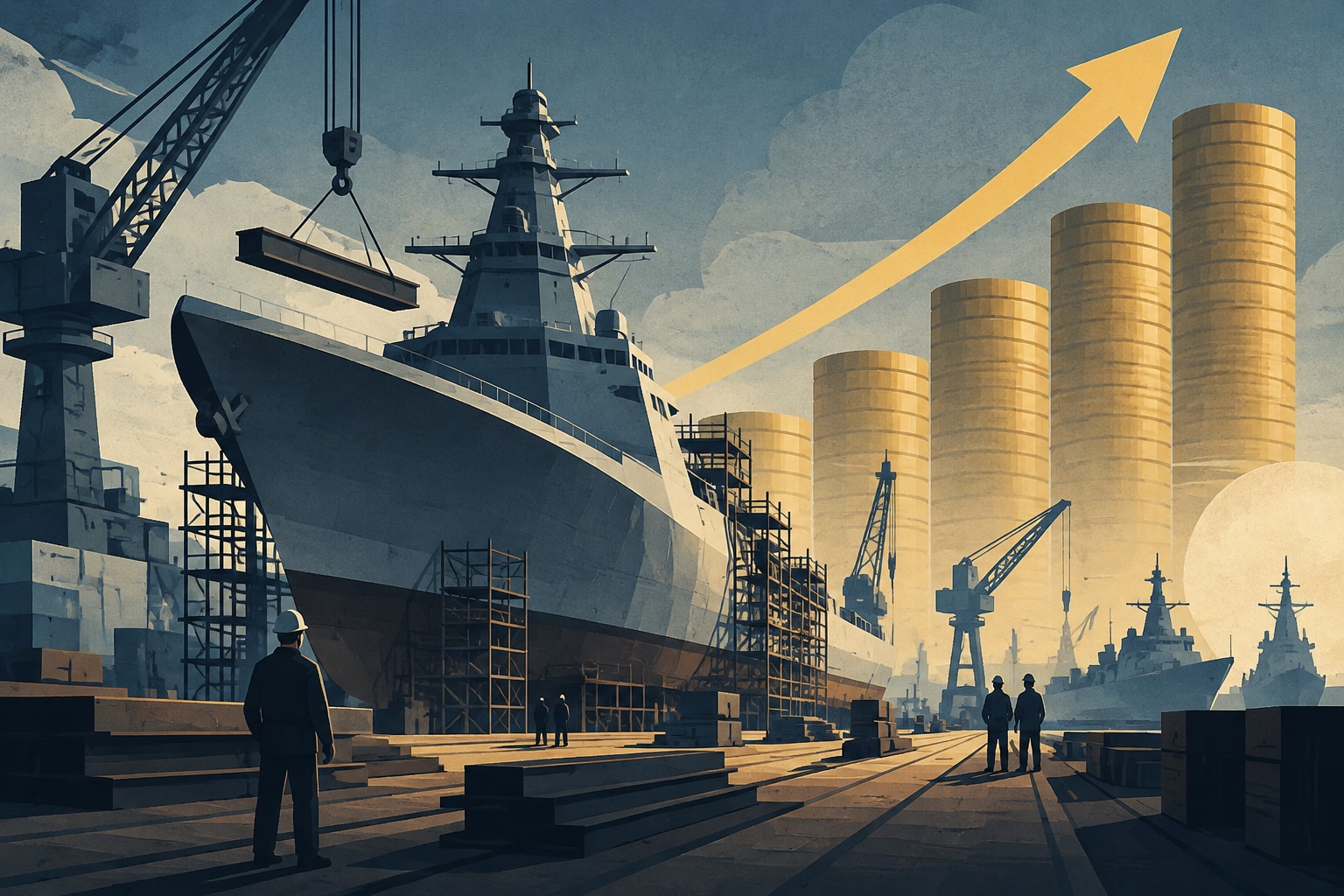
What's Happening
- •The Congressional Budget Office has released a report on the Navy's fiscal 2027 shipbuilding plan.
- •The report estimates that the plan will require an annual investment of approximately $54 billion.
- •This financial commitment is aimed at enhancing the Navy's fleet capabilities.
Why It Matters
The Navy's shipbuilding plan is crucial for maintaining the United States' maritime dominance and ensuring that service members have the resources they need to perform their duties effectively. As the global security landscape evolves, a robust naval fleet is essential not only for national defense but also for the safety and security of military personnel and their families.
What Changes Now
- •The Navy will start allocating funds for shipbuilding projects in fiscal year 2027. This allocation will lead to increased production at shipyards, potentially creating new job opportunities in the defense sector.
- •Service members may experience shifts in their training and deployment schedules due to the introduction of new ships. It's important for sailors to stay informed about these changes to understand how they may impact their careers.
- •There will be a focus on modernizing existing ships alongside new construction. This dual approach will ensure that the fleet remains capable and ready to meet current and future threats.
What to Watch
- •Congress will review the Navy's budget proposal in the upcoming months. This review is critical as it will determine the funding levels for the shipbuilding plan and its overall viability.
- •The Navy is expected to provide updates on the timeline for ship construction. Keeping an eye on these updates will help service members and their families prepare for potential changes in their operational environment.
- •Watch for announcements regarding changes to training programs related to new ship technologies. These changes will be important for sailors to understand as they adapt to new systems and procedures.
Get the Daily Briefing
Military and veteran news that actually affects you, in your inbox each morning.
More Context
- •Financial Implications for the Navy: The Congressional Budget Office (CBO) has outlined that the Navy's fiscal 2027 shipbuilding plan will necessitate a significant investment of $54 billion each year. This substantial funding is intended to support the construction and maintenance of new ships, which is crucial for maintaining naval readiness and strategic capabilities. The report emphasizes the need for a consistent financial commitment to ensure the Navy can meet its operational demands and adapt to evolving geopolitical challenges.
- •Impact on Military Readiness: The proposed shipbuilding plan is pivotal for the Navy's ability to maintain its operational readiness in an increasingly competitive global environment. With rising tensions in various regions, the Navy's modernization efforts are essential to ensure that it can effectively respond to potential threats. This investment will not only enhance fleet capabilities but also support the training and development of personnel who will operate these advanced vessels.
- •Who Will Be Affected?: Active-duty sailors, particularly those in ranks E-4 to E-6, will feel the impact of this shipbuilding plan as it directly relates to their operational environment. Additionally, Navy Reservists and those in critical roles such as logistics and maintenance will also be affected, as increased shipbuilding efforts may lead to changes in deployment schedules and training requirements. The plan's success hinges on the commitment and adaptability of these service members.
- •What Changes Now?: With the announcement of the shipbuilding plan, the Navy will begin to allocate resources and funding toward new construction projects starting in fiscal year 2027. This means that shipyards and contractors will be mobilized to ramp up production, which could create new job opportunities for defense industry workers. Service members should prepare for potential shifts in their assignments and training as the Navy adjusts to accommodate the new ships.
- •What to Watch: In the coming months, Congress will deliberate on the proposed budget for the Navy's shipbuilding plan, which will be a critical factor in its implementation. Stakeholders should monitor the discussions around budget allocations, as these will influence the timeline for ship construction and modernization. Additionally, updates from the Navy regarding changes to training programs and deployment schedules will be essential for service members and their families.
Frequently Asked Questions
Does this affect Guard members on Title 10 orders?
Yes, Guard members on Title 10 orders may experience changes in their training and deployment schedules as the Navy adjusts its operational readiness.
Will my BAH change if I move duty stations mid-year?
Your Basic Allowance for Housing (BAH) may change if you move to a different duty station with a different BAH rate. It's important to check the current BAH rates for your new location.
The Daily Briefing
Military & veteran news that actually affects you — delivered every morning.
- Pay, benefits & policy changes
- Pentagon decisions that matter
- VA updates for veterans & families
- One email. No spam. Unsubscribe anytime.
Related Stories
- B-2 Bomber Units Awarded Presidential Unit Citation for Midnight Hammer Operations— Task & Purpose
- Navy Has No Intention of Renaming the Doris Miller Carrier— Military.com
- Revamping Procurement Processes for C-UAS Innovation— Federal News Network
- USS South Dakota Command Triad Fired, Draws Ire of Congress— Navy Times