Lawmakers Call Out Navy for Inadequate Research on Aviator Brain Damage
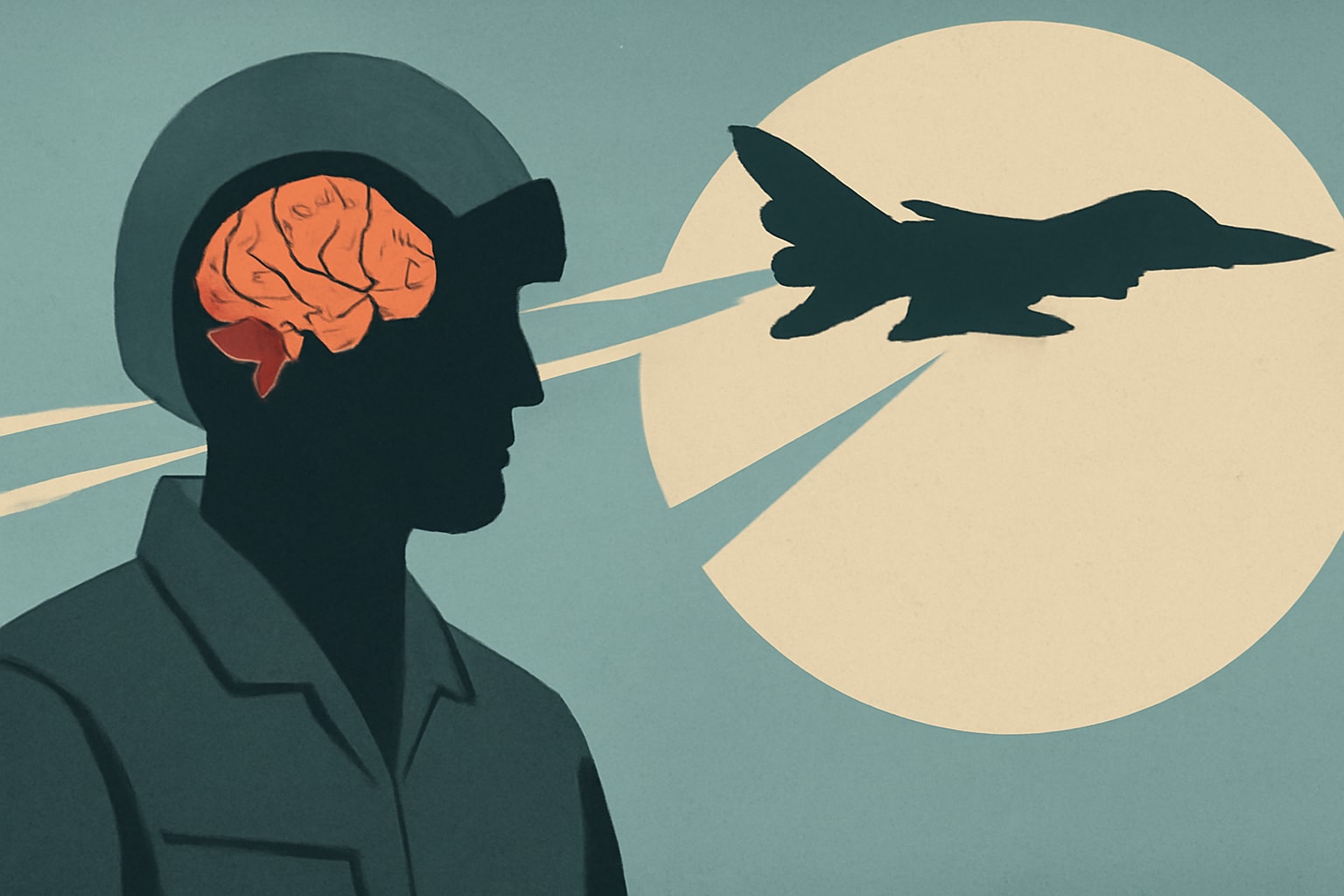
A House committee has criticized the Navy for failing to adequately study long-term brain damage in aviators despite rising concerns.
What's Happening
- •A House committee has found the Navy lacking in research on long-term brain damage in aviators.
- •The committee highlighted an increase in suicides among Navy pilots linked to potential brain injuries.
- •Lawmakers are urging the Navy to prioritize studies on brain health for aviators.
Why It Matters
The issue of brain health in aviators is critical for maintaining operational readiness and ensuring the well-being of service members. With rising suicide rates among Navy pilots, understanding and addressing potential brain injuries is essential for both individual health and mission success.
What Changes Now
- •The Navy is expected to increase funding for research on brain health in aviators. This is crucial as it could lead to better understanding and treatment of potential brain injuries.
- •Mental health resources for Navy pilots may be expanded in response to the committee's recommendations. This could provide essential support for those experiencing stress or mental health issues.
- •The Navy may implement new protocols for monitoring aviators' neurological health. This change is significant as it aims to prevent long-term damage and improve overall pilot safety.
What to Watch
- •Upcoming reports from the Navy on their research initiatives regarding aviator brain health. These reports will likely outline new strategies and funding allocations for addressing these concerns.
- •Legislative hearings scheduled for next quarter that will further investigate the Navy's response to the committee's findings. The outcomes of these hearings could influence future funding and policy changes.
- •Potential announcements regarding new mental health programs for aviators. These programs could be pivotal in addressing the rising mental health issues among pilots.
Get the Daily Briefing
Military and veteran news that actually affects you, in your inbox each morning.
More Context
- •The Current State of Research: Despite growing evidence linking aviation-related activities to long-term brain damage, the Navy has not conducted sufficient research to address these concerns. Lawmakers have pointed out that the Navy's current studies are inadequate to fully understand the implications of repeated head trauma experienced by aviators, particularly in high-stress environments. This lack of comprehensive research is alarming, especially as mental health issues, including suicides, have been reported among Navy pilots at an increasing rate.
- •Impact on Service Members: Active duty aviators, particularly those in the ranks of O-3 to O-5, are directly affected by this oversight. The mental and physical health of these service members is critical, as their roles require high levels of cognitive function and decision-making skills. Without adequate research into the long-term effects of brain injuries, these individuals may face undiagnosed conditions that could jeopardize their careers and overall well-being.
- •Legislative Actions and Recommendations: In response to the findings, the House committee is pushing for immediate action from the Navy to enhance research efforts. This includes recommendations for funding dedicated studies on the neurological impacts of flying and potential preventive measures. Lawmakers are also advocating for increased mental health resources for aviators, emphasizing the need for a holistic approach to their health and safety.
- •What This Means for the Future: The Navy's response to these findings could lead to significant changes in how they approach aviator health and safety. If the Navy prioritizes this research, it may result in new protocols and support systems for pilots, ultimately improving their quality of life and operational readiness. For service members, this could mean better access to healthcare resources and a greater focus on mental health initiatives.
Frequently Asked Questions
Does this affect Guard members on Title 10 orders?
Yes, if Guard members are serving in aviation roles, they may be impacted by any new policies or research findings related to brain health.
Will my BAH change if I move duty stations mid-year?
Yes, your Basic Allowance for Housing (BAH) may change based on the cost of living in your new duty station.
The Daily Briefing
Military & veteran news that actually affects you — delivered every morning.
- Pay, benefits & policy changes
- Pentagon decisions that matter
- VA updates for veterans & families
- One email. No spam. Unsubscribe anytime.
Related Stories
- Navy SEALs Influence on The Terminal List Season 2— Military.com
- Pentagon Bans Troops from Using Insider Information for Betting— Task & Purpose
- Pentagon Develops Ketamine Wafers for Battlefield Medicine— Military Times
- Army Implements Innovative Solutions in Manufacturing at Rock Island— Federal News Network