Navy Limits Anonymous Complaints for Harassment and Discrimination
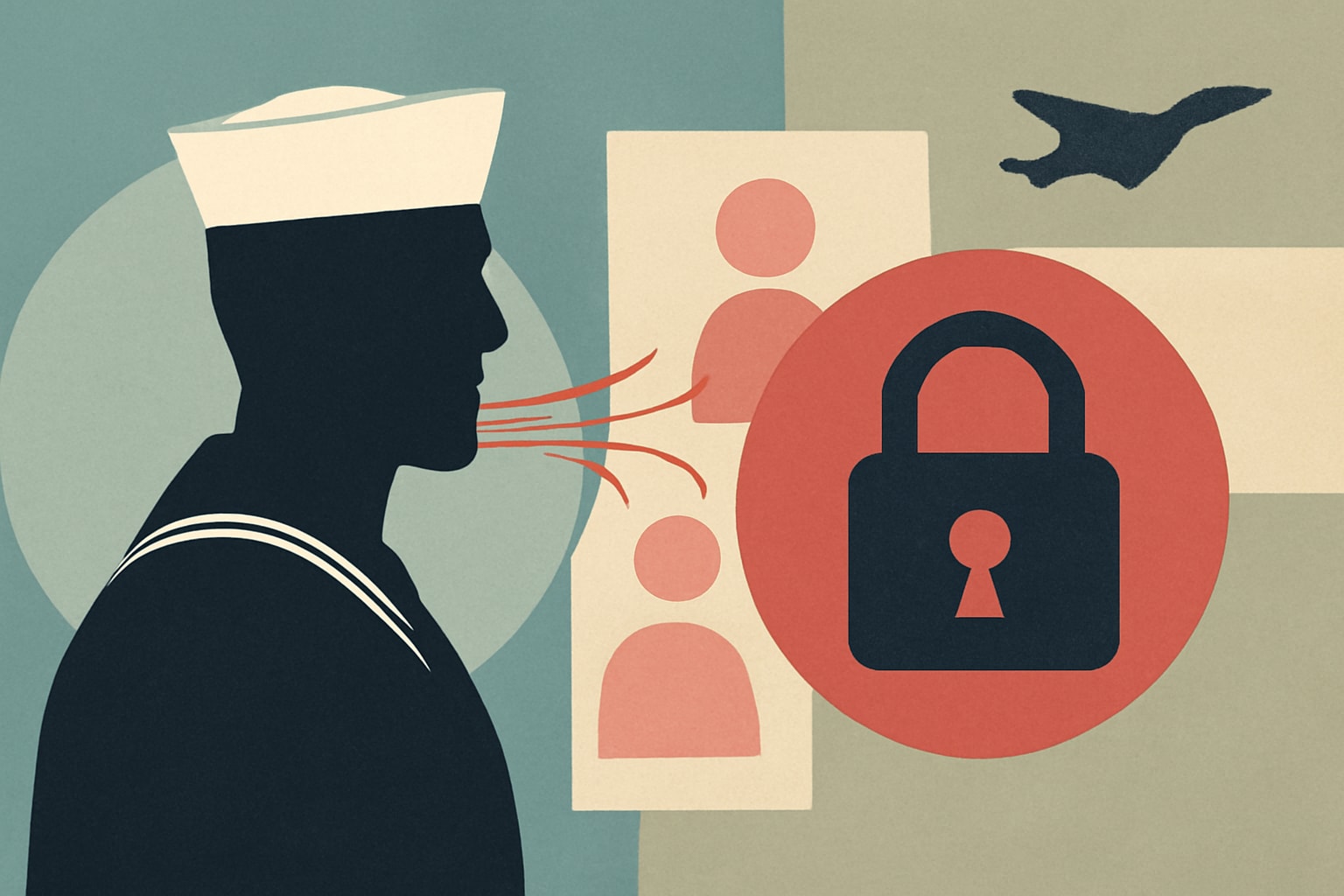
The Navy and Marine Corps are halting the processing of anonymous harassment and discrimination complaints.
What's Happening
- •The Navy and Marine Corps will no longer process anonymous reports of harassment and discrimination as Military Equal Opportunity complaints.
- •This policy change affects how service members can report incidents of harassment and discrimination.
- •The decision aims to enhance accountability and ensure that complaints are addressed through identifiable channels.
Why It Matters
This policy change is significant for military personnel who may face harassment or discrimination, as it alters the landscape of reporting such incidents. Service members must now navigate a more transparent but potentially intimidating process, which could impact their willingness to report misconduct.
What Changes Now
- •Anonymous complaints of harassment and discrimination will no longer be processed by the Navy and Marine Corps. This means that all reports must now include the identity of the complainant, which could affect the willingness of some service members to report incidents.
- •Service members must now file complaints through official channels, such as the Equal Opportunity Representative or the Inspector General's office. This change requires individuals to be more aware of the reporting process and the support systems available to them.
- •The policy aims to enhance accountability and ensure that complaints are addressed effectively. By requiring identifiable reports, the military hopes to create a culture of responsibility among service members.
What to Watch
- •Monitor changes in reporting rates following the implementation of this policy. The military leadership will be assessing whether the new requirement leads to an increase in identifiable complaints or if it discourages individuals from coming forward.
- •Watch for updates from leadership regarding support resources for service members who choose to report. Effective communication about available assistance will be crucial in maintaining trust and encouraging reporting.
- •Keep an eye on feedback from service members regarding their experiences with the new reporting process. Their insights will be essential in evaluating the effectiveness of this policy and determining if adjustments are needed.
Get the Daily Briefing
Military and veteran news that actually affects you, in your inbox each morning.
More Context
- •Overview of the Policy Change: The recent decision by the Navy and Marine Corps to limit anonymous complaints for harassment and discrimination marks a significant shift in how these issues are handled within the military. Previously, service members could submit complaints without revealing their identities, which some believed encouraged more individuals to come forward. However, the leadership has determined that anonymous reports hinder accountability and thorough investigations. By requiring identifiable complaints, the military aims to foster a culture of responsibility and trust, ensuring that those accused have the opportunity to respond adequately.
- •Implications for Service Members: This change primarily affects active-duty personnel, particularly E-4 to E-6 ranks in both the Navy and Marine Corps. These service members, who may feel vulnerable reporting harassment or discrimination, now face the challenge of doing so under their own names. The new policy could deter some individuals from coming forward, fearing potential repercussions. It is essential for leadership to communicate effectively about the resources available to support those who choose to report, ensuring that they feel safe and protected throughout the process.
- •What Service Members Should Know: Service members need to understand the implications of this policy change on their reporting options. Complaints must now be filed through official channels, which may include contacting a unit's Equal Opportunity Representative or utilizing the Inspector General's office. It is crucial for service members to familiarize themselves with the reporting process and the protections in place for those who come forward. Additionally, understanding the support systems available, such as counseling and legal assistance, can help mitigate the fear of retaliation.
- •Looking Ahead: Monitoring the Impact: As this policy is implemented, it will be important to monitor its impact on reporting rates and the overall climate within the Navy and Marine Corps. Leadership will need to assess whether the new requirement leads to an increase in identifiable complaints or if it discourages reporting altogether. Feedback from service members will be vital in evaluating the effectiveness of this policy, and adjustments may be necessary based on their experiences and outcomes.
Frequently Asked Questions
Does this affect Guard members on Title 10 orders?
Yes, Guard members on Title 10 orders are subject to the same policies regarding harassment and discrimination complaints.
Can I still report anonymously through other channels?
No, the new policy specifically limits anonymous complaints within the Military Equal Opportunity framework.
What support is available for those who report?
Service members can access support through their unit's Equal Opportunity Representative and various counseling services.
The Daily Briefing
Military & veteran news that actually affects you — delivered every morning.
- Pay, benefits & policy changes
- Pentagon decisions that matter
- VA updates for veterans & families
- One email. No spam. Unsubscribe anytime.
Related Stories
- Former Fort Hood Soldier Sentenced to Nearly Six Years for Hacking Scheme— Task & Purpose
- Four Airmen Awarded Distinguished Flying Cross for Kabul Evacuation Actions— Task & Purpose
- Former DOD Director Calls for Improved U.S. AI Investment Strategy— Military.com
- Air Force and Civilian Staff Dispute Future of China Aerospace Studies Institute— Military Times