Navy CIO: Investing in Connectivity Key to Continued Maritime Dominance
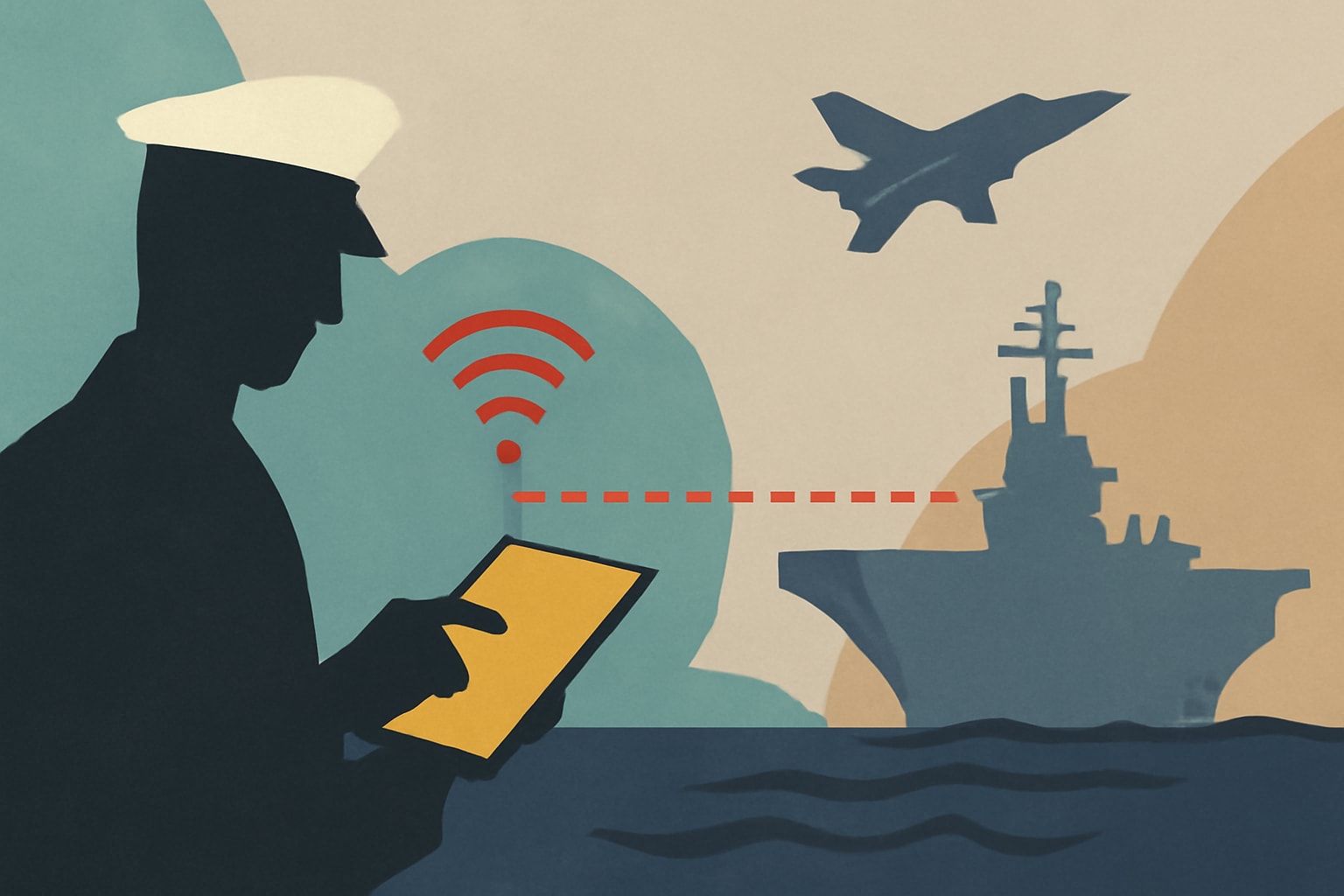
Navy CIO Barry Tanner emphasizes the necessity of connectivity for adopting advanced technologies like AI and autonomy in maritime operations.
What's Happening
- •Navy CIO Barry Tanner stresses the importance of connectivity for maritime operations.
- •Investment in connectivity is seen as vital for adopting AI and autonomous technologies.
- •The Navy aims to maintain dominance even in degraded or denied environments.
Why It Matters
The Navy's focus on connectivity is crucial for maintaining its operational edge in an increasingly complex maritime environment. For service members and veterans, understanding these developments can provide insights into future career opportunities and the evolving nature of military technology.
What Changes Now
- •The Navy is prioritizing investments in connectivity infrastructure. This will require collaboration among various departments to ensure effective implementation and integration.
- •Service members will undergo training on new technologies and systems as they are rolled out. This training will be essential for adapting to the evolving operational environment.
- •Increased focus on resilience in communication systems will be implemented. This change is critical for maintaining operational effectiveness in denied environments.
What to Watch
- •Upcoming investments in connectivity infrastructure will be announced soon. These decisions will shape the Navy's technological landscape for years to come.
- •Training programs for new technologies will be developed and rolled out. Service members should stay informed about these opportunities to enhance their skills.
- •The Navy's strategic plans regarding AI and autonomous systems will be updated. Monitoring these updates will provide insights into future operational capabilities.
Get the Daily Briefing
Military and veteran news that actually affects you, in your inbox each morning.
More Context
- •The Importance of Connectivity in Modern Naval Operations: In today’s rapidly evolving military landscape, connectivity is more than just a convenience; it is a critical component of operational success. Navy CIO Barry Tanner has highlighted that robust connectivity will be essential for the Navy's integration of advanced technologies such as artificial intelligence (AI) and autonomous systems. These technologies require seamless communication and data sharing to function effectively, especially in environments where traditional communication methods may be compromised. As the Navy looks to enhance its capabilities, investing in reliable connectivity infrastructure becomes paramount to ensure that personnel can leverage these advanced tools in real-time.
- •Challenges in Degraded Environments: Operating in degraded or denied environments presents unique challenges for naval forces. Tanner pointed out that the Navy must prepare for scenarios where communication systems could be disrupted by adversarial actions or natural phenomena. This necessitates not only investment in advanced technologies but also the development of resilient systems that can maintain operational integrity under adverse conditions. The focus on connectivity will help ensure that naval assets can continue to communicate and coordinate effectively, even when faced with significant challenges.
- •Impact on Service Members: The push for enhanced connectivity will directly affect various groups within the Navy. Active duty sailors, particularly those in technical roles such as Information Systems Technicians (IT) and Cryptologic Technicians (CT), will find their skills increasingly in demand as the Navy integrates new technologies. Additionally, junior officers and enlisted personnel will need to adapt to new systems and protocols that enhance operational capabilities. This shift not only requires training and support but also presents opportunities for career advancement as the Navy modernizes its fleet and operations.
- •What This Means for Future Naval Operations: As the Navy invests in connectivity, the implications for future operations are significant. Enhanced connectivity will enable more effective decision-making and faster response times, which are critical in combat scenarios. Furthermore, the Navy's ability to leverage AI and autonomous systems will transform how missions are planned and executed. Service members can expect to see more integrated systems and platforms that facilitate collaboration across different units and branches, ultimately leading to a more cohesive and agile naval force.
Frequently Asked Questions
How will this affect my job as a sailor?
The emphasis on connectivity will likely lead to new training programs and technologies that enhance your operational capabilities.
Will there be new technologies introduced in my unit?
Yes, as the Navy invests in connectivity, new systems and technologies will be integrated into various units.
What should I do to prepare for these changes?
Stay informed about upcoming training opportunities and be proactive in learning about new technologies that will be implemented.
The Daily Briefing
Military & veteran news that actually affects you — delivered every morning.
- Pay, benefits & policy changes
- Pentagon decisions that matter
- VA updates for veterans & families
- One email. No spam. Unsubscribe anytime.
Related Stories
- Navy Reorganizes Public Works Team to Speed Up Repairs— Federal News Network
- Pentagon Introduces New Warfighter Evaluation for Officer Promotions— Military Times
- US Air Force to Extend Service Life of B-1 and B-2 Bombers— Military Times
- Air Force Establishes ‘Megatron’ IDIQ to Accelerate Battle Network Acquisitions— DefenseScoop