Naval Special Warfare Command Failed to Identify, Treat TBI in Service Members
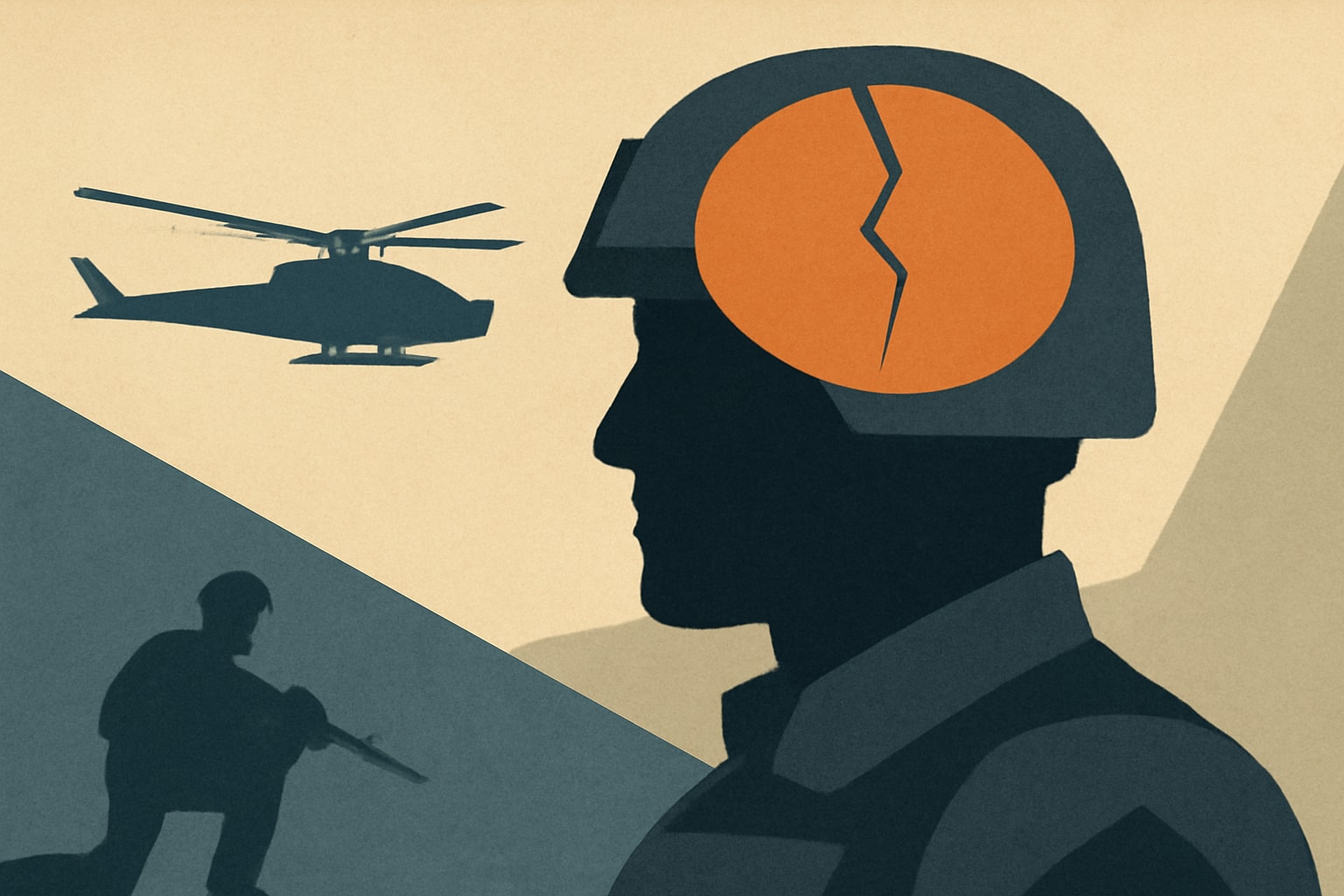
A recent report highlights significant failures by the Naval Special Warfare Command in addressing traumatic brain injuries among personnel.
What's Happening
- •The DOD Inspector General's report reveals failures in treating traumatic brain injuries (TBI) at Naval Special Warfare Command.
- •Personnel were not properly identified or treated for TBIs, leading to potential long-term health consequences.
- •This oversight raises concerns about the adequacy of medical support for special operations forces.
Why It Matters
The failure to properly identify and treat TBIs within the Naval Special Warfare Command poses serious risks to the health and operational effectiveness of service members. For veterans and active-duty personnel, this issue highlights the ongoing need for comprehensive medical support tailored to the unique challenges faced by those in special operations roles.
What Changes Now
- •The Naval Special Warfare Command is expected to implement new TBI screening protocols. This will ensure that all personnel are regularly evaluated for potential brain injuries, improving early detection and treatment.
- •Medical personnel will receive additional training focused on TBI identification and treatment. This training aims to enhance the quality of care provided to service members, addressing the specific needs of those in high-stress environments.
- •There will be a push for increased accountability within the command regarding health assessments. This change is crucial to ensure that service members receive the necessary medical attention after incidents that may lead to TBIs.
What to Watch
- •Look for updates on the implementation of new TBI screening protocols within the next few months. The effectiveness of these protocols will be critical in determining the health outcomes for affected personnel.
- •Monitor announcements regarding training programs for medical staff, which are expected to roll out shortly. These programs will be vital in improving the response to TBIs among special operations forces.
- •Watch for potential policy changes from the DOD based on the Inspector General's recommendations. These changes could reshape how TBIs are addressed across all branches of the military.
Get the Daily Briefing
Military and veteran news that actually affects you, in your inbox each morning.
More Context
- •Overview of the Findings: The DOD Inspector General's recent report has uncovered significant shortcomings within the Naval Special Warfare Command regarding the identification and treatment of traumatic brain injuries (TBI). The report indicates that personnel, particularly those involved in high-stress and high-impact operations, were not adequately screened or treated for TBIs. This lack of proper medical oversight could have lasting effects on the health and operational readiness of these service members, raising alarms about the overall support structure for special operations forces.
- •Implications for Service Members: The failure to identify and treat TBIs is particularly concerning for active-duty Navy SEALs and other personnel within the Naval Special Warfare Command. These individuals, often engaged in high-risk missions, face increased exposure to head injuries. Without proper diagnosis and treatment, they may experience long-term cognitive and physical health issues, which can severely impact their careers and quality of life. This situation underscores the necessity for improved medical protocols and support systems for those serving in demanding roles.
- •Immediate Changes Required: In light of the findings, immediate changes are necessary to ensure that service members receive proper care. The Naval Special Warfare Command must implement regular TBI screenings and establish protocols for immediate treatment following any incidents that could lead to brain injuries. Additionally, training for medical personnel on the unique needs of special operations forces is crucial. These changes will help protect the health and readiness of service members who are vital to national security.
- •What to Monitor Going Forward: As the situation develops, service members and their families should monitor updates from the Naval Special Warfare Command regarding new TBI protocols. The DOD Inspector General's recommendations will likely lead to policy changes, so staying informed will be essential. Additionally, watch for announcements about training programs for medical staff that focus on TBI identification and treatment, as these will be critical for improving care in the future.
Frequently Asked Questions
How will this affect Navy SEALs in training?
Navy SEALs in training will likely see enhanced medical oversight and screening for TBIs, which could lead to better health outcomes.
What resources are available for service members with TBI?
Service members can access resources through military medical facilities and the VA, which provide specialized care for TBI.
Will there be changes in how TBI cases are reported?
Yes, there will likely be new protocols for reporting TBI cases to ensure timely identification and treatment.
The Daily Briefing
Military & veteran news that actually affects you — delivered every morning.
- Pay, benefits & policy changes
- Pentagon decisions that matter
- VA updates for veterans & families
- One email. No spam. Unsubscribe anytime.
Related Stories
- Troops Will Get a Day Off to Vote or Register for November Elections— Task & Purpose
- Travis Metz to Lead DIU as Owen West Takes Leave for AutoWarCom— DefenseScoop
- Oklahoma National Guardsman Arrested in D.C. for Carrying Pistol Without Permit— Task & Purpose
- U.S. Air Force Awards Boeing First Full-Rate Order for Grey Wolf Helicopters— Military Times