Marine Corps Establishes First Unmanned Maintenance Squadron
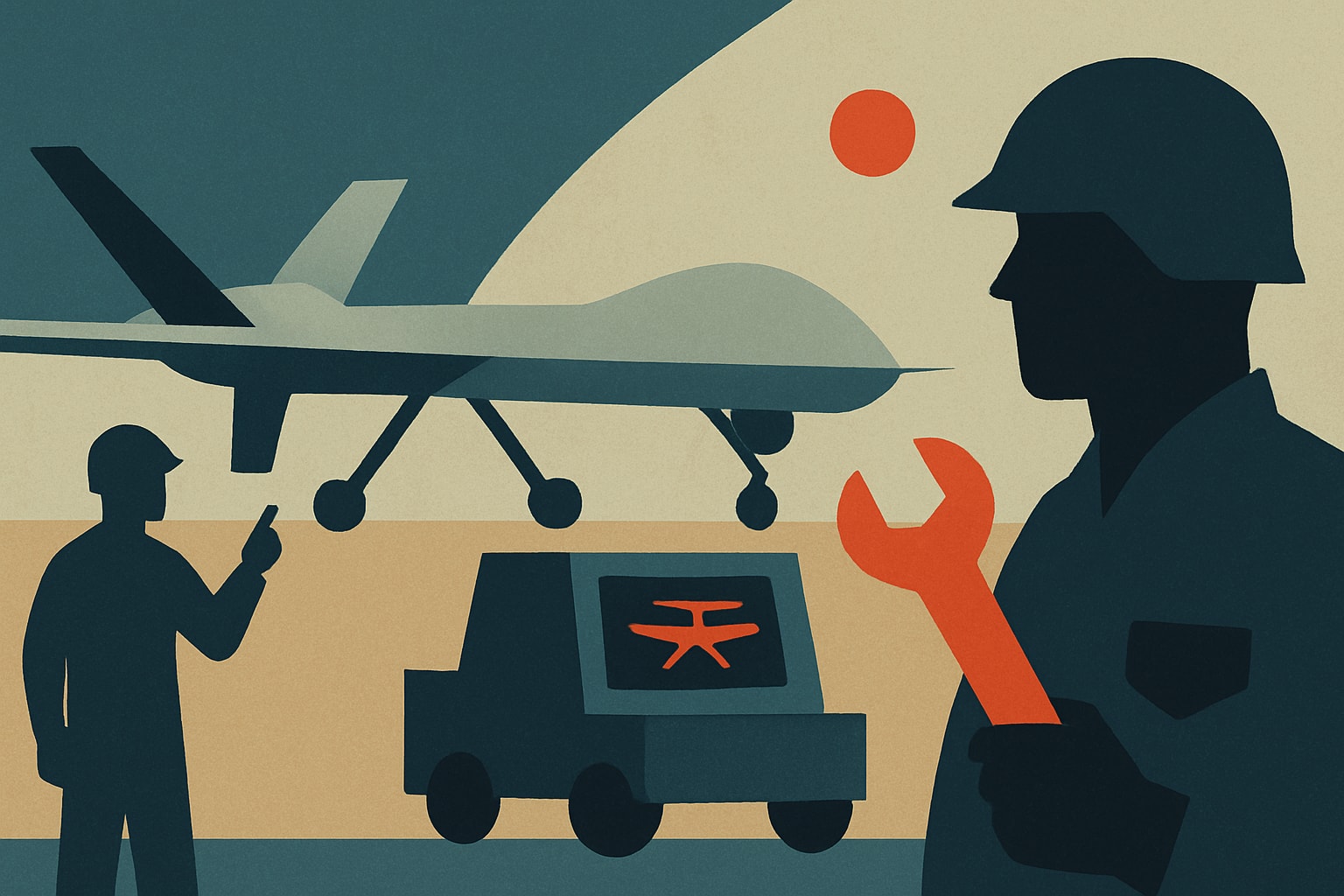
The Marine Corps has launched a new squadron dedicated to unmanned aviation maintenance for combat deployments.
What's Happening
- •The Marine Corps has established its first unmanned maintenance squadron, known as MUMS.
- •This unit is specifically designed to provide maintenance for unmanned aviation systems.
- •MUMS will operate in forward-deployed combat environments.
Why It Matters
The establishment of MUMS marks a pivotal development in the Marine Corps' approach to unmanned aviation. As military operations increasingly rely on unmanned systems, having a dedicated maintenance squadron ensures that these assets remain operational, enhancing overall mission effectiveness and safety for service members in the field.
What Changes Now
- •The Marine Corps will now have a dedicated squadron for unmanned aviation maintenance. This change is significant as it allows for specialized support in combat environments, improving mission readiness.
- •MUMS will enhance the operational efficiency of Marine aviation units. By reducing maintenance downtime, this unit will ensure that unmanned systems are available when needed most.
- •Training protocols for Marines in aviation MOSs may evolve with the introduction of MUMS. This could lead to new opportunities for skill development and career advancement in unmanned systems.
What to Watch
- •The upcoming evaluation of MUMS' effectiveness over the next year. This assessment will determine how well the squadron integrates into existing operations and whether adjustments are needed.
- •Future funding decisions related to unmanned systems within the Marine Corps. These decisions will impact resource allocation and the development of new technologies.
- •Updates on training programs for Marines in aviation MOSs. Changes in training could reflect the Corps' commitment to unmanned systems and influence career paths.
Get the Daily Briefing
Military and veteran news that actually affects you, in your inbox each morning.
More Context
- •Overview of the New Squadron: The Marine Corps has officially stood up its first unmanned maintenance squadron, referred to as MUMS. This new unit represents a significant shift in how the Corps approaches aviation maintenance, particularly in combat scenarios. MUMS is tasked with ensuring that unmanned aerial systems (UAS) remain operational in forward-deployed settings, which is critical for maintaining air superiority and operational effectiveness. The establishment of this squadron underscores the increasing reliance on unmanned systems in modern warfare and the need for dedicated maintenance support.
- •Implications for Operational Readiness: The creation of MUMS is expected to enhance the operational readiness of Marine aviation units. By providing specialized maintenance for unmanned systems, the squadron will help reduce downtime and improve the reliability of these critical assets. This is particularly important as the Marine Corps continues to integrate more unmanned systems into its operations, including reconnaissance and strike missions. With MUMS in place, units can expect quicker turnaround times for maintenance, ultimately supporting mission success in challenging environments.
- •Who Benefits from MUMS?: Active-duty Marines, particularly those in aviation-related MOSs such as 6174 (Unmanned Aircraft Systems Operator) and 6154 (Aviation Maintenance Administration), will directly benefit from the establishment of MUMS. This unit will provide essential support, ensuring that unmanned systems are maintained to the highest standards. Additionally, Guard and Reserve components involved in aviation operations may also see increased support and resources as MUMS integrates into broader operational frameworks. The focus on unmanned systems signifies a shift in training and resource allocation, which could impact future career paths for Marines in these fields.
- •What to Expect Moving Forward: As MUMS becomes operational, service members should monitor updates regarding its deployment and integration into existing aviation units. The Marine Corps plans to evaluate the effectiveness of MUMS over the next year, which could lead to adjustments in training and operational protocols. Additionally, ongoing assessments may influence future funding and resource allocation for unmanned systems within the Corps. Service members should stay informed through official channels for any changes that may affect their roles or responsibilities.
Frequently Asked Questions
How will MUMS affect my role as an aviation maintenance technician?
MUMS will provide specialized support for unmanned systems, which may lead to new training opportunities and responsibilities for aviation maintenance technicians.
Will MUMS support Guard and Reserve units?
Yes, MUMS is expected to provide support to Guard and Reserve components involved in aviation operations, improving overall readiness.
What types of unmanned systems will MUMS maintain?
MUMS will focus on maintaining various unmanned aerial systems used by the Marine Corps, ensuring they are operational in combat environments.
Veteran Take
For those who've served, the establishment of an unmanned maintenance squadron signals a significant shift in how we approach combat readiness. It’s a recognition that technology is not just a tool but a critical component of our mission success. Veterans navigating this evolving landscape will see the benefits of streamlined operations and improved safety for those still in the field.
The Daily Briefing
Military & veteran news that actually affects you — delivered every morning.
- Pay, benefits & policy changes
- Pentagon decisions that matter
- VA updates for veterans & families
- One email. No spam. Unsubscribe anytime.
Related Stories
- FEDVIP Dental Premiums to Rise 1%, Vision Premiums by 1.6% for 2027— Military.com
- Pentagon Threatens Universities Over Foreign Ties, Considers Audits— DefenseScoop
- Archbishop Advises U.S. Army Catholics Against Firing Squad Participation— Navy Times
- U.S. Coast Guard and Navy Search for Survivors After Boat Capsizes— Military.com