Over Three Dozen Sailors and Marines Wounded in September Amid Iran Conflict
Recent reports indicate a sharp increase in casualties among U.S. sailors and Marines supporting operations related to the Iran conflict.
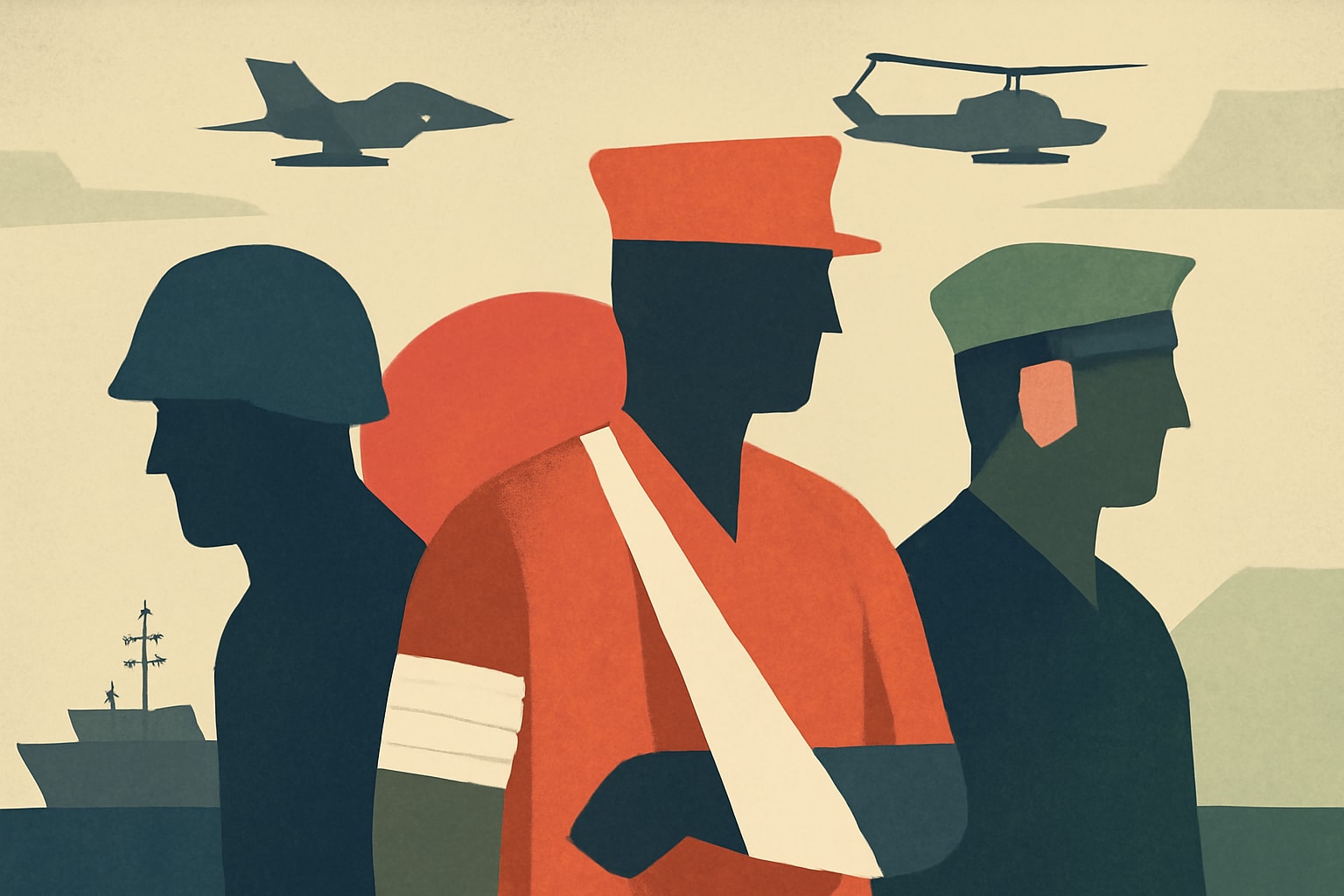
What's Happening
- •More than three dozen sailors and Marines were reported wounded in September during operations related to the Iran conflict.
- •This marks a significant increase in casualties since the start of summer 2026.
- •The casualties were revealed quietly last week, raising concerns about the ongoing military engagement.
Why It Matters
The increase in casualties among sailors and Marines underscores the ongoing risks associated with U.S. military operations in Iran. For active-duty service members and their families, this situation highlights the importance of being informed and prepared for potential changes in deployment and support resources.
What Changes Now
- •The rise in casualties may lead to increased support services for affected service members. This includes mental health resources and family support programs to help cope with the stress of deployment.
- •Service members may experience changes in their operational tempo as the military reassesses its strategies in response to the increased casualties. This could impact their daily routines and responsibilities.
- •Families of wounded service members will likely receive additional communication and support from military leadership. This is essential for ensuring they are informed about their loved ones' statuses and available resources.
What to Watch
- •Monitor updates from the Department of Defense regarding troop deployments and casualty reports. These updates will provide critical insights into the ongoing military engagement in Iran.
- •Watch for announcements related to changes in military policy or support services for families of wounded service members. This information will be vital for those directly impacted by the conflict.
- •Keep an eye on community support initiatives and resources available for military families. Engaging with these resources can help families navigate the emotional challenges associated with increased casualties.
Get the Daily Briefing
Military and veteran news that actually affects you, in your inbox each morning.
More Context
- •Casualty Overview: The recent uptick in casualties among U.S. sailors and Marines highlights the escalating risks associated with military operations in the Iran conflict. Reports indicate that over three dozen service members were wounded in September alone, a notable increase compared to previous months. This surge in injuries raises questions about the operational environment and the challenges faced by military personnel deployed in the region. As the situation evolves, it is crucial for service members and their families to stay informed about the potential implications for their safety and well-being.
- •Impact on Service Members: The wounded personnel primarily include active-duty sailors and Marines, particularly those involved in direct support roles. This situation affects various ranks, including E-4 to E-6 service members in combat arms and support MOSs. The increase in casualties may lead to heightened stress and anxiety among troops, as well as their families, who are already coping with the uncertainties of military life. Understanding the realities of these operations is essential for fostering resilience and support within the military community.
- •What This Means for Military Families: For military families, the rise in casualties can create a climate of concern and fear. Families of active-duty personnel may need to engage more with support networks and resources available through their installations. Communication with service members deployed in conflict zones is vital, as is accessing mental health resources to address any emotional distress stemming from these developments. Families should also stay updated on official communications regarding the safety and well-being of their loved ones.
- •Looking Ahead: As the conflict in Iran continues, it is important to monitor the situation closely. Future updates on troop deployments and casualty reports will be crucial for understanding the evolving landscape of military operations. Service members and their families should remain vigilant and proactive in seeking information from official channels, including the Department of Defense and local military support organizations. Awareness of upcoming decisions regarding troop levels and mission objectives will be key to navigating this challenging period.
Frequently Asked Questions
Does this affect Guard members on Title 10 orders?
Yes, Guard members on Title 10 orders may be impacted by the ongoing conflict and any changes in operational requirements or support services.
Will my BAH change if I move duty stations mid-year?
Your Basic Allowance for Housing (BAH) may change based on your new duty station's location and housing costs, so it's important to check the latest BAH rates.
The Daily Briefing
Military & veteran news that actually affects you — delivered every morning.
- Pay, benefits & policy changes
- Pentagon decisions that matter
- VA updates for veterans & families
- One email. No spam. Unsubscribe anytime.
Related Stories
- Congress Presses Oracle on VA’s $17 Billion EHR Contract Increase— Military Times
- Air Force's Collaborative Combat Aircraft Program at Risk of Delays— Air & Space Forces Magazine
- Pentagon Seeks Faster Weapons Production, Details Remain Private— Army Times
- Navy Memorial Dinner Celebrates Hundreds of Sailors Past and Present— Military.com