Hawaii National Guard Activated Amidst Third Major Storm
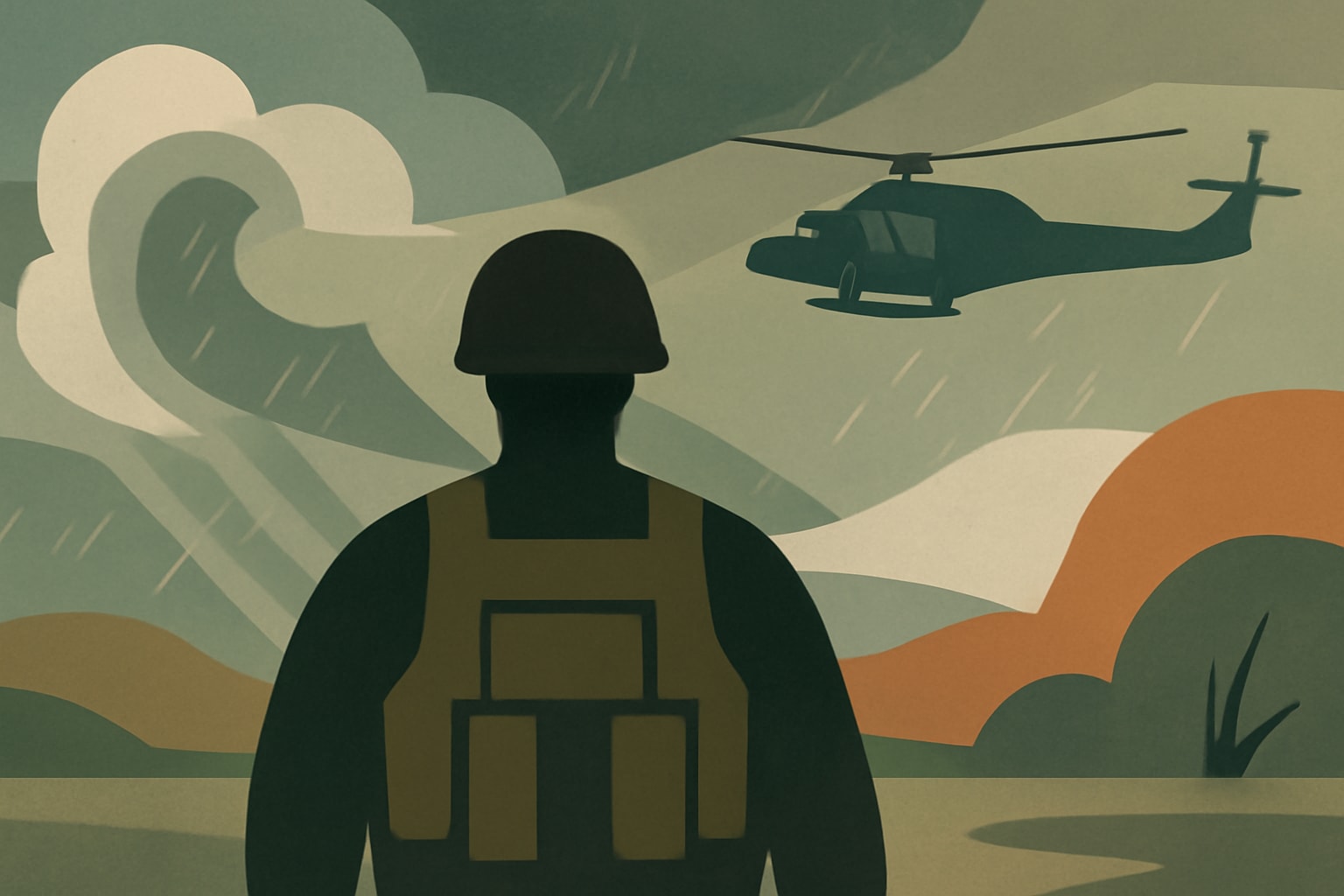
Over 300 Hawaii National Guard members have been activated to assist with rescue and relief efforts as the state grapples with a series of severe storms.
What's Happening
- •More than 300 Hawaii National Guard troops were activated on April 11, 2026.
- •This activation is in response to the state's third major storm in a short period.
- •Previous storms led to significant flooding and thousands of evacuations in Oahu.
Why It Matters
The activation of the Hawaii National Guard underscores their essential role in responding to domestic disasters, ensuring the safety of residents and communities affected by severe weather. For service members, veterans, and military families, this response highlights the importance of readiness and the need for adequate resources to support both state and national emergencies.
What Changes Now
- •An increased National Guard presence will support disaster relief operations across Hawaii. This will enable faster and more effective responses to emergencies, ensuring that residents receive timely assistance.
- •Troops will assist with evacuations, security at shelters, and clearing debris from roadways. These actions are crucial for restoring normalcy and ensuring public safety in affected areas.
- •The National Guard's activation allows for the distribution of essential supplies like food and water. This support is vital for communities recovering from the impacts of severe storms.
What to Watch
- •Future weather patterns will be closely monitored for the potential of additional storms. The ongoing assessment will help determine the need for further National Guard activation and support.
- •Long-term recovery efforts will focus on infrastructure repairs and community resilience. Stakeholders will evaluate the effectiveness of current response strategies and make necessary adjustments for future preparedness.
- •The Governor's decisions regarding the ongoing activation of National Guard troops will be pivotal. These decisions will shape the state's response to any evolving emergencies and resource allocation.
Get the Daily Briefing
Military and veteran news that actually affects you, in your inbox each morning.
More Context
- •National Guard's Role in Disaster Response: The activation of over 300 members of the Hawaii National Guard on April 11, 2026, comes as the state faces its third major storm in quick succession. This follows weeks of severe weather that has caused extensive flooding and required military support for search and rescue operations across the islands, particularly in Oahu. The National Guard's local presence allows for rapid mobilization, enabling them to assist state and local authorities effectively. Their dual mission of serving both state and federal needs ensures they can transition quickly from training to real-world emergency operations.
- •Challenges Faced by Hawaii Communities: Hawaii's recent storms have posed significant challenges to infrastructure and local communities. Thousands of residents were evacuated from flooded areas, highlighting the urgent need for effective disaster response. Military units, including the National Guard, played a crucial role in conducting search and rescue missions, ensuring the safety of those affected. The repeated strain on resources emphasizes the importance of disaster preparedness and the need for ongoing resilience efforts in the state.
- •Operational Details and Future Preparedness: The specific tasks assigned to the activated National Guard troops will depend on the evolving needs of each island. Typical missions may include assisting with evacuations, providing shelter security, clearing debris, and distributing essential supplies such as food and water. The Guard's specialized training and equipment enable them to address unique challenges, including operations in flooded areas. Looking ahead, the Hawaii National Guard will continue to monitor weather conditions and remain prepared for further emergencies, using lessons learned from these storms to enhance future training and preparedness efforts.
- •Coordination with State Authorities: The activation of the Hawaii National Guard is authorized by the Governor of Hawaii, who acts as the commander-in-chief of the state's forces. Close collaboration with the Adjutant General ensures that the appropriate level of National Guard support is deployed to address the emergency effectively. This coordination facilitates the seamless integration of military and civilian resources in the response efforts, ensuring that communities receive the assistance they need during crises.
Veteran Take
For those who've served, seeing the Hawaii National Guard activated during these severe storms is a reminder of the critical role we play in our communities, even after our active duty ends. Veterans navigating this situation understand the importance of preparedness and the need for support systems that can provide relief in times of crisis. It's a call to action for all of us to stay engaged and ready to assist our neighbors when disaster strikes.
The Daily Briefing
Military & veteran news that actually affects you — delivered every morning.
- Pay, benefits & policy changes
- Pentagon decisions that matter
- VA updates for veterans & families
- One email. No spam. Unsubscribe anytime.
Related Stories
- Agencies Must Integrate Smart Identity Cards for Post-Quantum Cryptography— Federal News Network
- National Guard Responds to Troops Near DC Ballot Drop Box Incident— Task & Purpose
- Pentagon Launches AI Pilot Program to Manage Sensitive Information— DefenseScoop
- Fort Hood Mass Shooter Nidal Malik Hasan to Die by US Army Firing Squad— Military Times