New Pentagon Policy Could Force Out 16,000 Troops with Medical Shaving Waivers
Service members with medical shaving accommodations may face stricter rules under a new Pentagon directive.
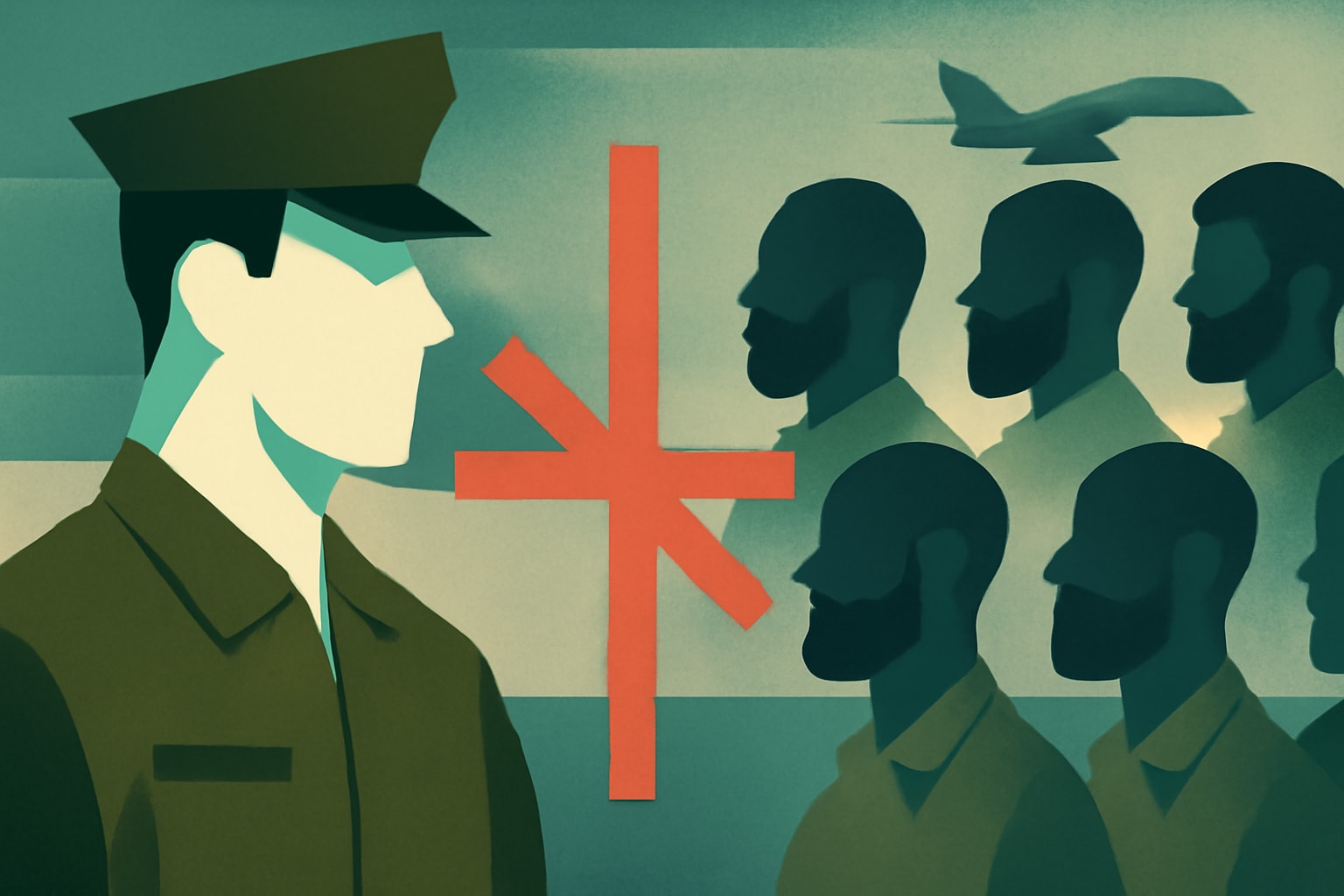
What's Happening
- •The Pentagon has introduced a new policy regarding medical shaving waivers.
- •Service members with these waivers for over a year may face discharge.
- •More than 16,000 troops could be affected by this new directive.
Why It Matters
This new policy could lead to significant changes in the personnel landscape of the military, particularly for those who rely on medical accommodations. Service members facing discharge may experience disruptions in their careers and benefits, making it essential for them to understand the implications of these changes.
What Changes Now
- •Service members with medical shaving waivers must undergo a review if their waiver exceeds one year. This review will determine if they can continue their service or if they will face discharge.
- •Troops are encouraged to gather documentation of their medical conditions to support their waiver requests. This documentation will be crucial during the review process to justify the need for continued accommodation.
- •The new policy is effective immediately, meaning service members should prepare for evaluations without delay. Those affected should communicate with their chain of command to understand the next steps.
What to Watch
- •Upcoming guidance from the Pentagon on the review process is expected within the next month. This will outline how evaluations will be conducted and the criteria for determining waiver necessity.
- •Changes to medical records may occur as the policy is implemented. Service members should monitor their records for accuracy and ensure all medical conditions are properly documented.
- •Potential updates from military leadership regarding the impact of this policy on troop readiness and morale could emerge. These updates will be critical for understanding the broader implications of the changes.
Get the Daily Briefing
Military and veteran news that actually affects you, in your inbox each morning.
More Context
- •Overview of the New Policy: The Pentagon's recent policy change regarding medical shaving waivers is set to impact thousands of service members across various branches. Under this directive, any service member who has been granted a shaving accommodation for more than one year may be subject to discharge. This policy aims to enforce uniformity and readiness among troops, but it raises concerns about the health and well-being of those who require these waivers for legitimate medical reasons.
- •Who is Affected?: The new policy primarily affects active-duty service members and reservists who have been granted medical shaving waivers. This includes a wide range of ranks, from E-1 to E-7, particularly those in combat arms and support roles, such as 11B Infantrymen and 68W Army medics. The directive could potentially impact over 16,000 troops who rely on these waivers for skin conditions or other medical issues that prevent them from shaving.
- •Immediate Changes and Practical Implications: Effective immediately, service members with medical shaving waivers must undergo a review process if their waivers exceed one year. This review will assess their ongoing need for the waiver and could lead to recommendations for discharge if deemed unnecessary. Troops should prepare for potential evaluations and ensure they have proper documentation of their medical conditions to support their waiver requests.
- •What to Monitor Going Forward: Service members should keep an eye on updates from their chain of command regarding the implementation of this policy. The Pentagon is expected to release further guidance on the review process within the next month, detailing how evaluations will be conducted and what criteria will be used. Additionally, troops should be aware of potential changes to their medical records that could affect their waiver status.
Frequently Asked Questions
Does this affect Guard members on Title 10 orders?
Yes, the new policy applies to all service members, including those in the National Guard on Title 10 orders.
Will my BAH change if I move duty stations mid-year?
Your Basic Allowance for Housing (BAH) may change based on the location of your new duty station and should be updated in your personnel records.
The Daily Briefing
Military & veteran news that actually affects you — delivered every morning.
- Pay, benefits & policy changes
- Pentagon decisions that matter
- VA updates for veterans & families
- One email. No spam. Unsubscribe anytime.
Related Stories
- Pentagon Updates Guidance on Low Testosterone Testing for Male Service Members— Military Times
- AAFES Investigates Suspicious Messages Sent to Military Customers— DefenseScoop
- Saudi Arabia Calls Attempted Attack on Mecca a ‘Red Line’— Military.com
- Geissele Automatics Reveals Production-Ready Assault Rifle for SOCOM— Military Times