Top 5 Scams Targeting Veterans and Military Families
In 2024, military scams cost veterans and families $584 million. Learn to identify and avoid these frauds.
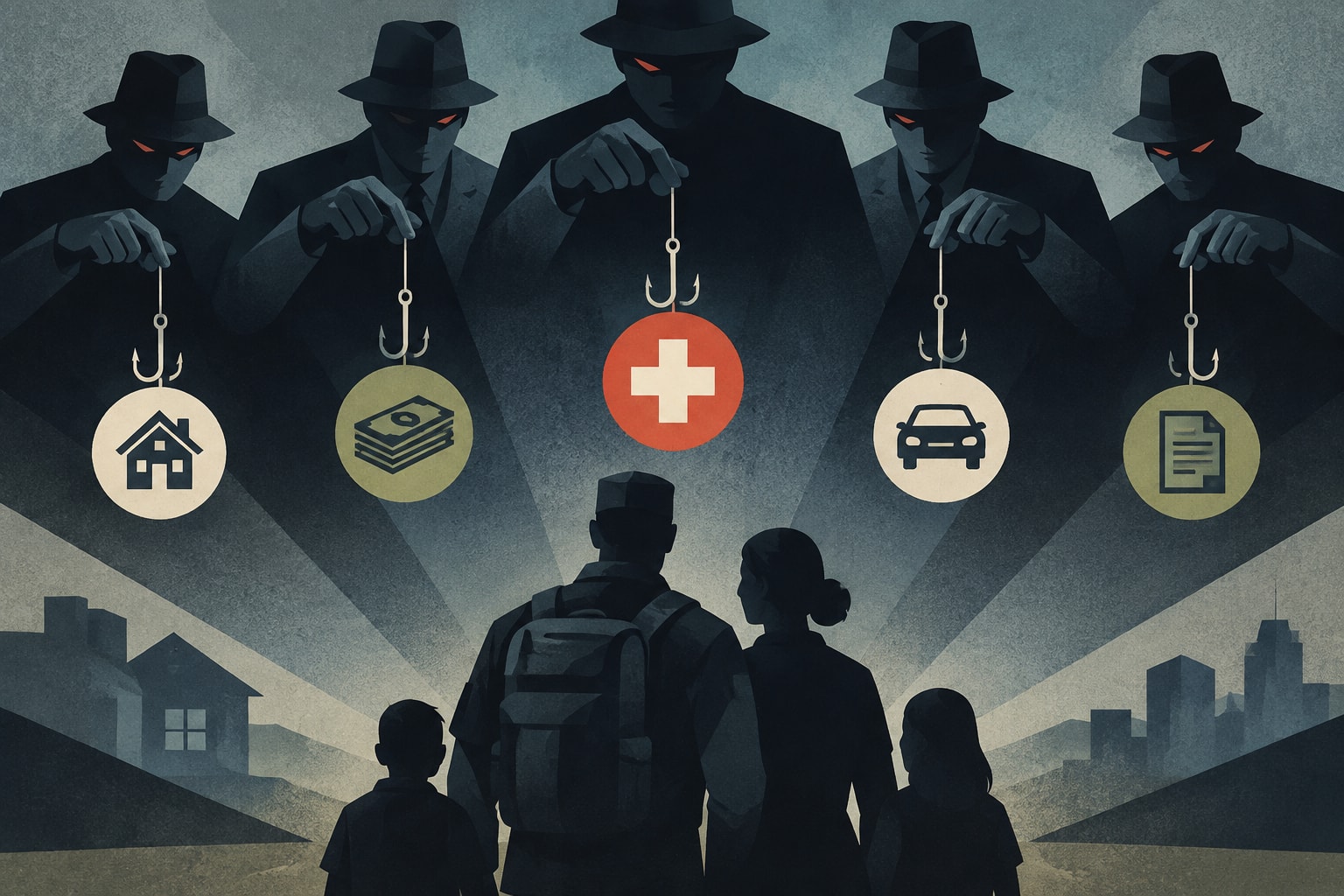
What's Happening
- •Military scams resulted in a loss of $584 million for veterans and military families in 2024.
- •Five major types of scams have been identified: VA benefits fraud, PCS scams, AI voice scams, job scams, and more.
- •These scams specifically target service members, veterans, and their families, exploiting their unique situations.
Why It Matters
Military families and veterans are often targeted by scams due to their unique circumstances, including frequent relocations and reliance on benefits. Understanding these scams is vital for protecting their financial well-being and ensuring they receive the support they deserve.
What Changes Now
- •Service members should be vigilant about potential scams targeting their benefits. This includes verifying any communications regarding VA benefits with official sources to avoid falling victim to fraud.
- •Veterans seeking employment must be cautious of job offers that seem too good to be true. They should conduct thorough research and avoid providing personal information to unknown entities.
- •Families experiencing a Permanent Change of Station (PCS) must be aware of housing scams that may arise during their transition. It is advisable to consult official military resources for housing options to ensure legitimacy.
What to Watch
- •Monitor updates from the Federal Trade Commission regarding new scams targeting military families. The FTC regularly publishes information on emerging fraud tactics that can help individuals stay informed.
- •Keep an eye on announcements from the Department of Veterans Affairs about new initiatives to combat fraud. These updates may include new reporting mechanisms and resources for veterans.
- •Watch for community workshops or seminars on fraud prevention offered by military installations. Engaging in these educational opportunities can equip service members and families with the tools they need to protect themselves.
Get the Daily Briefing
Military and veteran news that actually affects you, in your inbox each morning.
More Context
- •Understanding the Scope of Military Scams: In 2024, military scams have cost service members, veterans, and their families a staggering $584 million. This figure highlights the vulnerability of these groups to fraud, often due to their unique circumstances, such as frequent relocations and reliance on benefits. Scammers are increasingly sophisticated, using tactics that can easily deceive even the most vigilant individuals. The scams range from fake job offers to fraudulent VA benefits claims, making it crucial for the military community to stay informed about the risks.
- •Common Scams to Watch For: Among the most prevalent scams are those targeting VA benefits, where fraudsters pose as officials to extract personal information. Another significant threat is the PCS scam, where service members are misled about housing options during relocations. AI voice scams have also emerged, where scammers use technology to mimic trusted voices, tricking victims into providing sensitive information. Job scams are particularly concerning, as they prey on veterans seeking employment, often leading to financial loss and identity theft. Recognizing these scams is the first step in protecting oneself.
- •Protecting Yourself from Scams: To safeguard against scams, veterans and military families should take proactive measures. First, they should verify any communication regarding VA benefits by contacting official channels directly. It is also advisable to research job offers thoroughly and avoid sharing personal information over the phone or online unless certain of the recipient's identity. Additionally, service members should be cautious of offers that seem too good to be true, as they often are. By adopting a skeptical mindset and staying informed, the military community can significantly reduce the risk of falling victim to these scams.
- •Resources for Reporting and Assistance: If you suspect you've been targeted by a scam, it's essential to report it immediately. The Federal Trade Commission (FTC) provides resources for reporting fraud and can guide victims on the next steps. Additionally, the Department of Veterans Affairs has a dedicated hotline for veterans to report scams related to benefits. Service members can also reach out to their unit's legal assistance office for advice on handling potential fraud cases. Utilizing these resources can help mitigate the impact of scams and protect others in the community.
Frequently Asked Questions
What are the most common scams targeting veterans?
The most common scams include VA benefits fraud, PCS scams, AI voice scams, and job scams.
How can I report a scam if I have been targeted?
You can report scams to the Federal Trade Commission and contact the Department of Veterans Affairs for assistance.
Are there resources available to help veterans avoid scams?
Yes, the FTC and the VA provide resources and guidance on recognizing and reporting scams.
The Daily Briefing
Military & veteran news that actually affects you — delivered every morning.
- Pay, benefits & policy changes
- Pentagon decisions that matter
- VA updates for veterans & families
- One email. No spam. Unsubscribe anytime.
Related Stories
- Military Times Recognizes 370 Colleges in 2026 Best for Vets Rankings— Military Times
- Vietnam Documentary 'Where We Once Stood' Streams on Prime Video for Veterans Day— Military.com
- VA Dental Patients Face Waits of Up to Two Months for Appointments— Task & Purpose
- 10 Essential VA Home Loan Tips Every Veteran Should Know— Military.com