Military Leaders Adapt Strategies from Ukraine and Middle East Conflicts
U.S. military leaders are reassessing tactics and strategies based on lessons learned from recent conflicts.
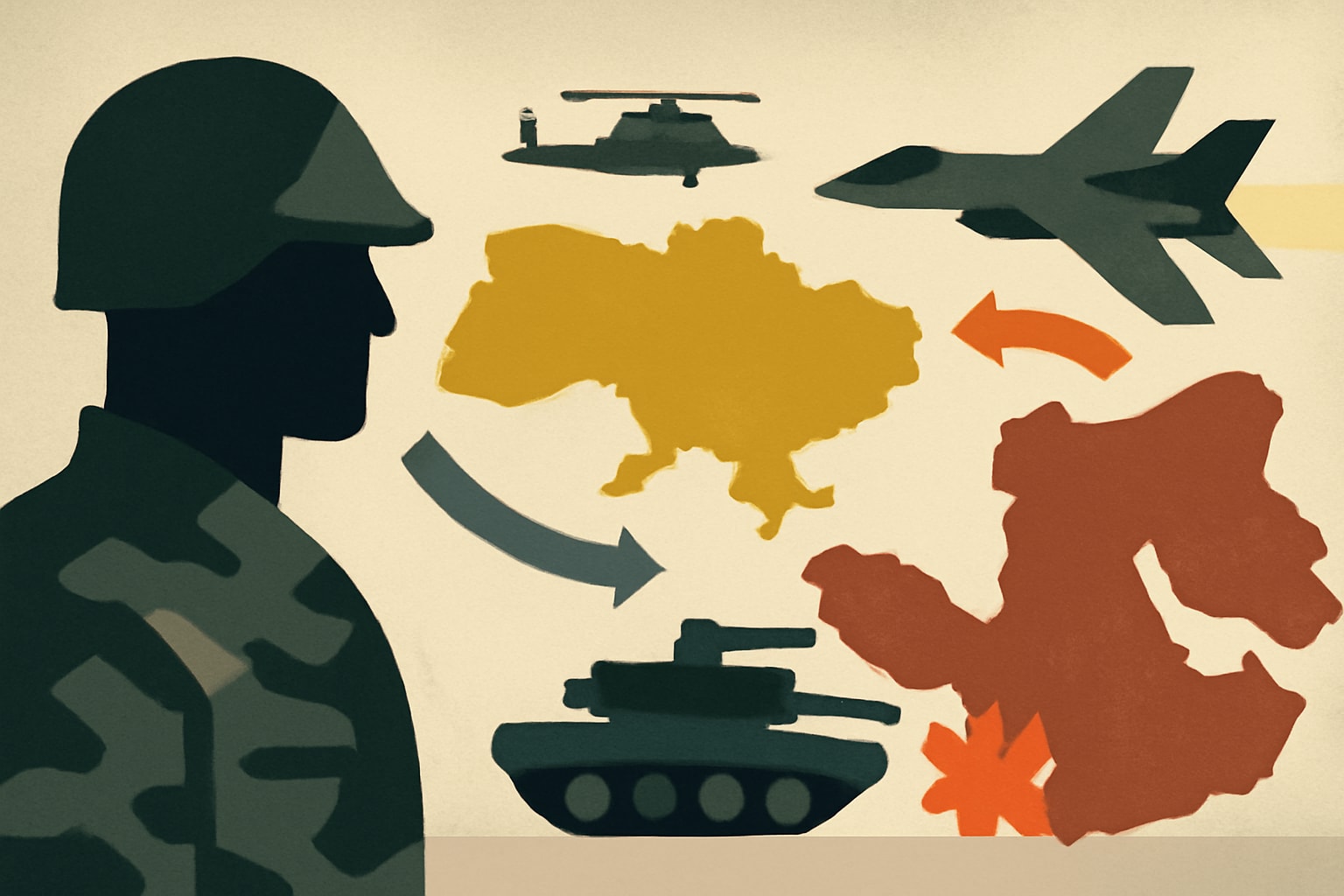
What's Happening
- •Military leaders are drawing lessons from conflicts in Ukraine and the Middle East.
- •The focus is on adapting strategies to counter adversaries effectively.
- •U.S. production capabilities are being emphasized over traditional presentations.
Why It Matters
The insights gained from recent conflicts are critical for shaping the future of U.S. military strategy. For active-duty service members and veterans, understanding these shifts can impact training, readiness, and operational effectiveness in future deployments.
What Changes Now
- •Military strategies are being revised to incorporate lessons from Ukraine and the Middle East. This means that training programs will be updated to reflect new tactics and technologies that have proven effective in recent conflicts.
- •There will be an increased emphasis on production capabilities within military operations. Service members may see changes in logistics and supply chain management as the military prioritizes readiness and rapid response.
- •Operational planning will focus more on real-world applications rather than theoretical presentations. This shift will require service members to engage with practical scenarios that reflect current global threats.
What to Watch
- •Upcoming military exercises will incorporate lessons from recent conflicts. These exercises will test new strategies and technologies in a controlled environment to evaluate their effectiveness.
- •The Department of Defense is expected to release new guidelines on production capabilities. This will provide clarity on how service members can support these initiatives and what resources will be available.
- •Congressional hearings on military readiness will discuss the implications of these lessons. Decisions made in these hearings could influence funding and resources allocated to training and production.
Get the Daily Briefing
Military and veteran news that actually affects you, in your inbox each morning.
More Context
- •Lessons from Ukraine: The ongoing conflict in Ukraine has provided critical insights into modern warfare, particularly regarding the use of technology and logistics. Military leaders are observing how Ukraine has leveraged its resources, including drones and cyber capabilities, to counter a larger adversary. This has prompted discussions on enhancing U.S. military readiness and ensuring that production lines can meet the demands of future conflicts. The emphasis is shifting from merely presenting strategies to implementing actionable plans that reflect these lessons.
- •Adapting to New Threats: As adversaries evolve, U.S. military leaders are recognizing the need to adapt their strategies accordingly. The lessons learned from the Middle East conflicts highlight the importance of understanding asymmetric warfare and the tactics employed by non-state actors. This understanding is crucial for developing countermeasures that can effectively neutralize threats. By integrating these lessons into training and operational planning, military leaders aim to enhance the effectiveness of U.S. forces in diverse environments.
- •The Role of Production Capabilities: Orlando 'OJ' Sanchez emphasized that adversaries do not fear presentations; they fear the U.S. production capabilities. This statement underscores the importance of maintaining robust supply chains and manufacturing processes to support military operations. As the military shifts focus towards readiness and production, it is vital for service members to understand how these changes will impact their roles. Ensuring that production lines are efficient and capable of rapid response will be a key factor in future military engagements.
Frequently Asked Questions
Does this affect Guard members on Title 10 orders?
Yes, Guard members on Title 10 orders will likely see changes in training and operational focus as lessons from recent conflicts are integrated into military strategy.
Will my unit's training change based on these lessons?
Yes, units will adapt their training programs to reflect the new strategies and technologies that have emerged from recent conflicts.
Veteran Take
For those who've served, it's clear that the landscape of warfare is constantly evolving. The lessons learned from Ukraine and the Middle East are not just academic; they directly influence how we prepare and respond in future conflicts. Veterans navigating this changing environment understand that adapting strategies is essential for ensuring our forces remain effective and ready for whatever challenges lie ahead.
The Daily Briefing
Military & veteran news that actually affects you — delivered every morning.
- Pay, benefits & policy changes
- Pentagon decisions that matter
- VA updates for veterans & families
- One email. No spam. Unsubscribe anytime.
Related Stories
- DoD Issues Guidance for Procuring ‘Unbiased’ AI Systems— Federal News Network
- Air Force Tests New Rocket Cargo System to Resupply Deployed Troops— Task & Purpose
- Purple Heart Awarded to 202 Troops During Iran War— Military.com
- USS Colorado Becomes First Submarine in Submarine Rotational Force-West— Military Times