Military Families Lose Hundreds of Millions to Scams Each Year
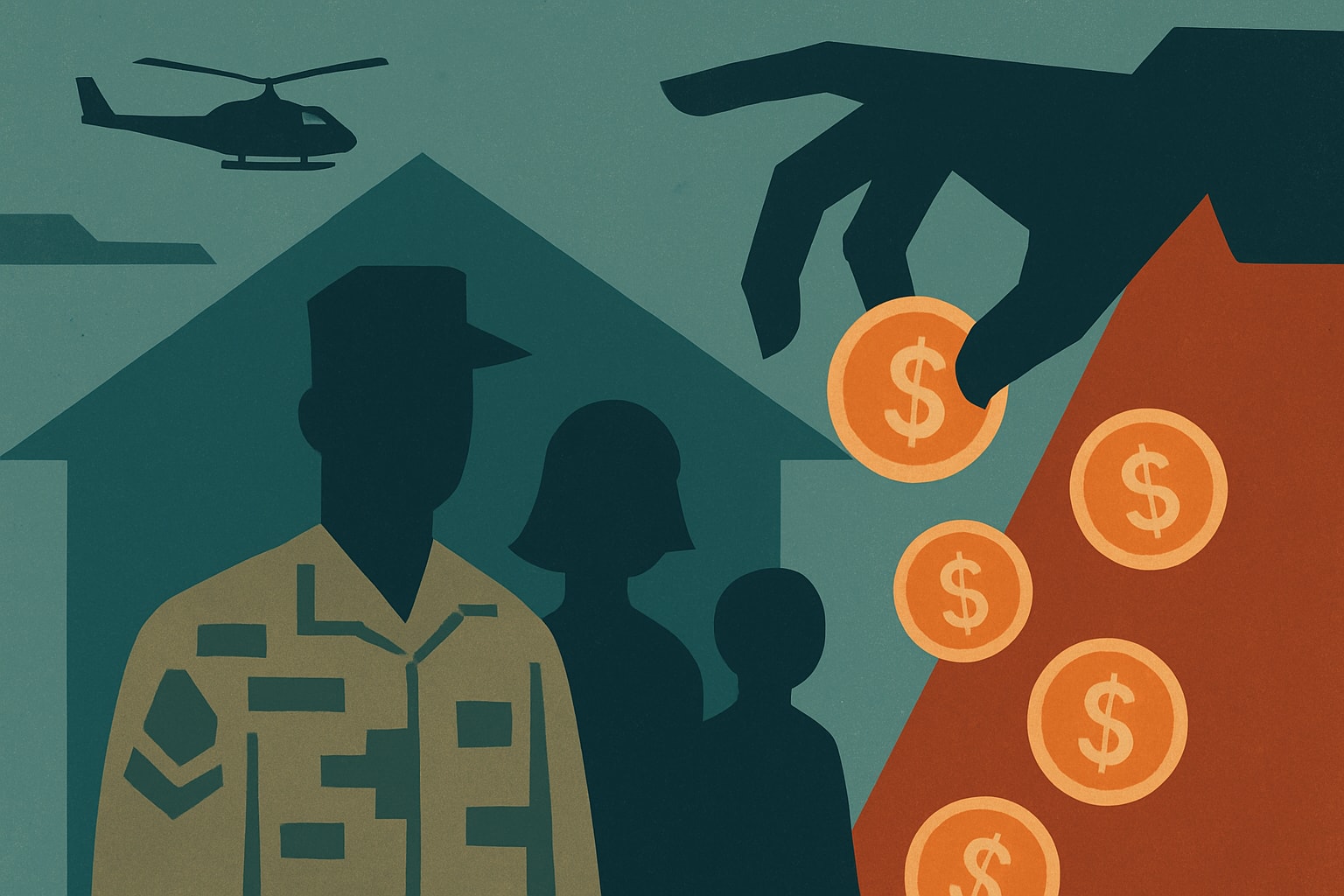
Scammers exploit military families, especially during deployments and moves, leading to significant financial losses.
What's Happening
- •Military families are increasingly targeted by scammers, losing hundreds of millions annually.
- •Scammers exploit situations like deployments and PCS moves to commit fraud.
- •Identity theft and financial scams are the most common types of fraud affecting military families.
Why It Matters
The financial well-being of military families is crucial, especially given the unique challenges they face during deployments and relocations. Understanding the tactics used by scammers can help service members and their families protect their identities and finances, ensuring they remain focused on their missions and family stability.
What Changes Now
- •Military installations are increasing financial literacy programs to combat scams. These programs will offer workshops and resources to educate families on recognizing and avoiding fraud.
- •The Department of Defense is enhancing collaboration with financial institutions to secure better protections for military families. This initiative aims to reduce the risk of identity theft and financial fraud.
- •Families can expect more resources through Family Readiness Centers in the coming months. These resources will provide education on financial management and fraud prevention.
What to Watch
- •New financial education initiatives from the Department of Defense will be launched within the next year. These initiatives will include online training and resources for military families.
- •Legislative actions in Congress may lead to changes in financial protections for military families. Keeping informed about these developments will be crucial for understanding potential impacts.
- •Increased awareness campaigns at military installations will be rolled out soon. Families should participate in these programs to better equip themselves against scams.
Get the Daily Briefing
Military and veteran news that actually affects you, in your inbox each morning.
More Context
- •Understanding the Scam Landscape: Scammers have become adept at exploiting the unique vulnerabilities of military families, particularly during transitions such as deployments or Permanent Change of Station (PCS) moves. These situations create a perfect storm for fraud, as service members and their families may be preoccupied with logistics and stress, making them less vigilant against potential scams. Common scams include identity theft, phishing emails, and fraudulent offers that promise financial relief or assistance.
- •Who is Most Affected?: Active duty service members, particularly those in the E-4 to E-6 pay grades within combat arms MOSs, are prime targets for scams. These ranks often include younger service members who may lack experience in financial management and are more vulnerable to misleading offers. Additionally, military families with dependents, especially those relocating frequently, face heightened risks as they navigate new environments and resources.
- •Protecting Yourself and Your Family: To combat these scams, military families should take proactive steps to safeguard their finances. This includes regularly monitoring credit reports, using strong passwords for online accounts, and being cautious about sharing personal information. Resources like the Federal Trade Commission (FTC) provide guidance on recognizing and reporting scams. Furthermore, families can utilize military-specific resources such as the Military OneSource for additional support and information.
- •What Changes Now?: In response to the rising threat of scams, military installations are increasing awareness campaigns about financial literacy and fraud prevention. Families can expect more workshops and resources to be made available through their Family Readiness Centers. Additionally, the Department of Defense is collaborating with financial institutions to enhance protections for military families against identity theft.
- •What to Watch For: Upcoming initiatives from the Department of Defense aimed at improving financial education for military families will be rolled out in the next year. This includes new training modules and resources that will be accessible online. Families should also keep an eye on changes in policies regarding financial protections, which may be influenced by legislative actions in Congress.
Frequently Asked Questions
What scams are most common for military families?
Identity theft and phishing scams are the most prevalent, often exploiting the unique circumstances of military life.
How can I protect my family's finances?
Regularly monitor your credit reports, use strong passwords, and be cautious about sharing personal information.
Are there resources available for military families to learn about scams?
Yes, Military OneSource and Family Readiness Centers provide valuable resources and training on financial literacy and fraud prevention.
Veteran Take
For those who've served, it's disheartening to see our families targeted by scammers during some of their most vulnerable times. The stress of deployments and relocations is already immense, and financial security should be one less thing to worry about. We need to stand together, share our experiences, and educate each other on how to recognize and avoid these scams, ensuring our loved ones are protected.
The Daily Briefing
Military & veteran news that actually affects you — delivered every morning.
- Pay, benefits & policy changes
- Pentagon decisions that matter
- VA updates for veterans & families
- One email. No spam. Unsubscribe anytime.
Related Stories
- Navy Confirms Eight Sailors Died by Suicide at Oklahoma Base— Military Times
- USS Abraham Lincoln Strike Group Begins Return Home After Deployment— Military Times
- Iranian Attacks Highlight Need for Updated U.S. Military Strategies— Army Times
- Navy Chief Predicts Longer Deployments for Sailors Despite 7-Month Goal— Task & Purpose