Marines Release Updated Heat and Cold Injury Safety Guidance
Updated guidelines emphasize the need for leadership to develop response plans and enhance hydration protocols.
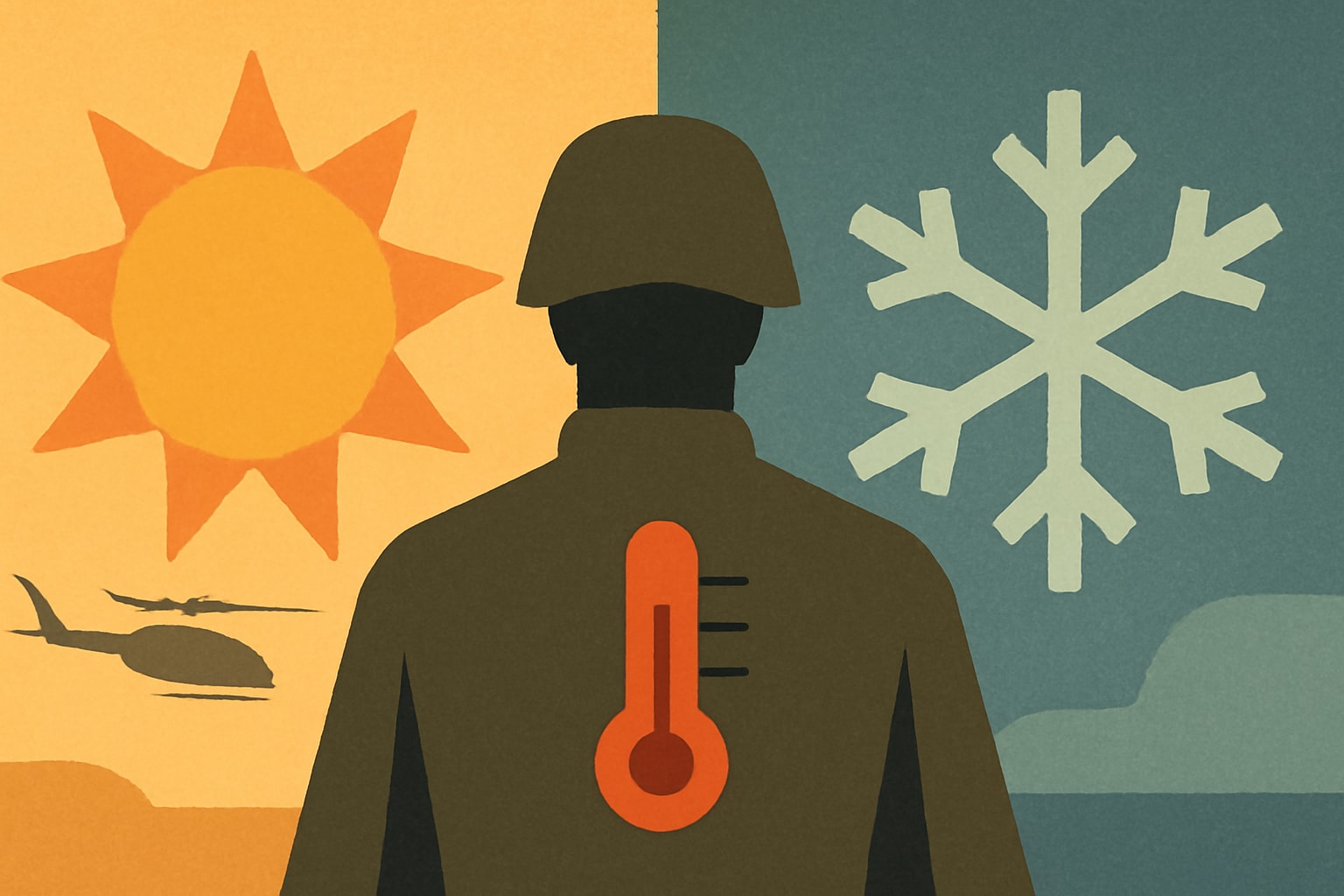
What's Happening
- •The Marine Corps has released new guidelines for managing heat and cold injuries.
- •Leadership is now required to develop specific response plans for these injuries.
- •Marines are advised to increase their water intake during training and operations.
Why It Matters
These updated guidelines are crucial for maintaining the health and readiness of Marines, particularly during training in extreme weather conditions. By emphasizing hydration and leadership accountability, the Marine Corps aims to reduce the incidence of heat and cold injuries, which can significantly impact operational effectiveness.
What Changes Now
- •Unit leaders must develop specific response plans for heat and cold injuries. This change requires immediate action to ensure that all Marines are trained on these protocols.
- •Marines are advised to increase their water intake significantly. This means that during training, Marines should regularly hydrate, not just when they feel thirsty.
- •Hydration stations will be established in training areas. Commanders are responsible for ensuring these stations are stocked and accessible to all personnel.
What to Watch
- •Expect feedback from units on the effectiveness of the new guidelines. This will help the Marine Corps refine its approach based on real-world training experiences.
- •Look for updates on training protocols related to heat and cold injury prevention. These may evolve as the Marine Corps assesses the effectiveness of current strategies.
- •Monitor for any new resources or training materials provided to Marines regarding hydration and injury prevention. These resources will be critical for ensuring all personnel are informed.
Get the Daily Briefing
Military and veteran news that actually affects you, in your inbox each morning.
More Context
- •Overview of Updated Guidelines: The Marine Corps has issued revised safety guidelines aimed at preventing heat and cold injuries among its personnel. These updates come in response to the increasing number of heat-related incidents reported during training exercises, particularly in warmer climates. The guidelines stress the importance of proactive measures, including hydration and appropriate clothing, to mitigate risks associated with extreme temperatures.
- •Leadership Responsibilities: Under the new guidance, unit leaders are tasked with developing comprehensive response plans tailored to their specific operational environments. This includes conducting regular training on recognizing symptoms of heat and cold injuries and ensuring that Marines have access to adequate hydration and cooling resources. The emphasis on leadership accountability aims to foster a culture of safety and preparedness within the ranks.
- •Hydration Protocols: One of the key changes in the updated guidelines is the directive for Marines to increase their water intake significantly. Hydration stations are to be established in training areas, and Marines are encouraged to drink water regularly, rather than waiting until they feel thirsty. This proactive approach is critical to preventing dehydration and heat-related illnesses, especially during intensive training sessions.
- •Cold Weather Considerations: In addition to heat injury prevention, the guidelines also address risks associated with cold weather. Marines are advised to wear appropriate layers and monitor each other for signs of cold-related injuries, such as frostbite and hypothermia. The guidance includes recommendations for maintaining body heat and the importance of immediate reporting of any cold-related symptoms to prevent serious health issues.
- •Implementation and Monitoring: The Marine Corps will monitor the implementation of these guidelines through regular assessments and feedback from units. Commanders are responsible for ensuring compliance and adapting the guidelines as necessary based on environmental conditions and training demands. This ongoing evaluation will help refine the response strategies and ensure the safety of all Marines during extreme weather conditions.
Frequently Asked Questions
Does this affect Guard members on Title 10 orders?
Yes, the updated guidelines apply to all Marines, including those in the National Guard on Title 10 orders, as they are subject to the same training and operational standards.
What should I do if I experience symptoms of heat injury?
If you experience symptoms such as dizziness, nausea, or excessive fatigue, you should immediately report to your supervisor and seek medical attention.
Veteran Take
For those who've served, we know that extreme weather can be just as dangerous as the enemy. These updated guidelines on heat and cold injuries reflect a commitment to our fellow Marines' well-being, reminding us that leadership plays a crucial role in ensuring readiness. Proper hydration and response plans are not just protocols; they are lifelines that can mean the difference between mission success and serious health risks.
The Daily Briefing
Military & veteran news that actually affects you — delivered every morning.
- Pay, benefits & policy changes
- Pentagon decisions that matter
- VA updates for veterans & families
- One email. No spam. Unsubscribe anytime.
Related Stories
- Pentagon Cuts Army Civilian Hiring Time from 161 Days to 47— Federal News Network
- Army Pilots AI-Backed Maintenance Program to Streamline Repairs— DefenseScoop
- Army Reviews Emergency War Gear Stockpiles Amid Ongoing Assessment— Military Times
- Pentagon Orders Universities to Sever Foreign Research Ties— Military Times