Marines’ New Housing Bill of Rights Defines When They Can Refuse a Barracks Room
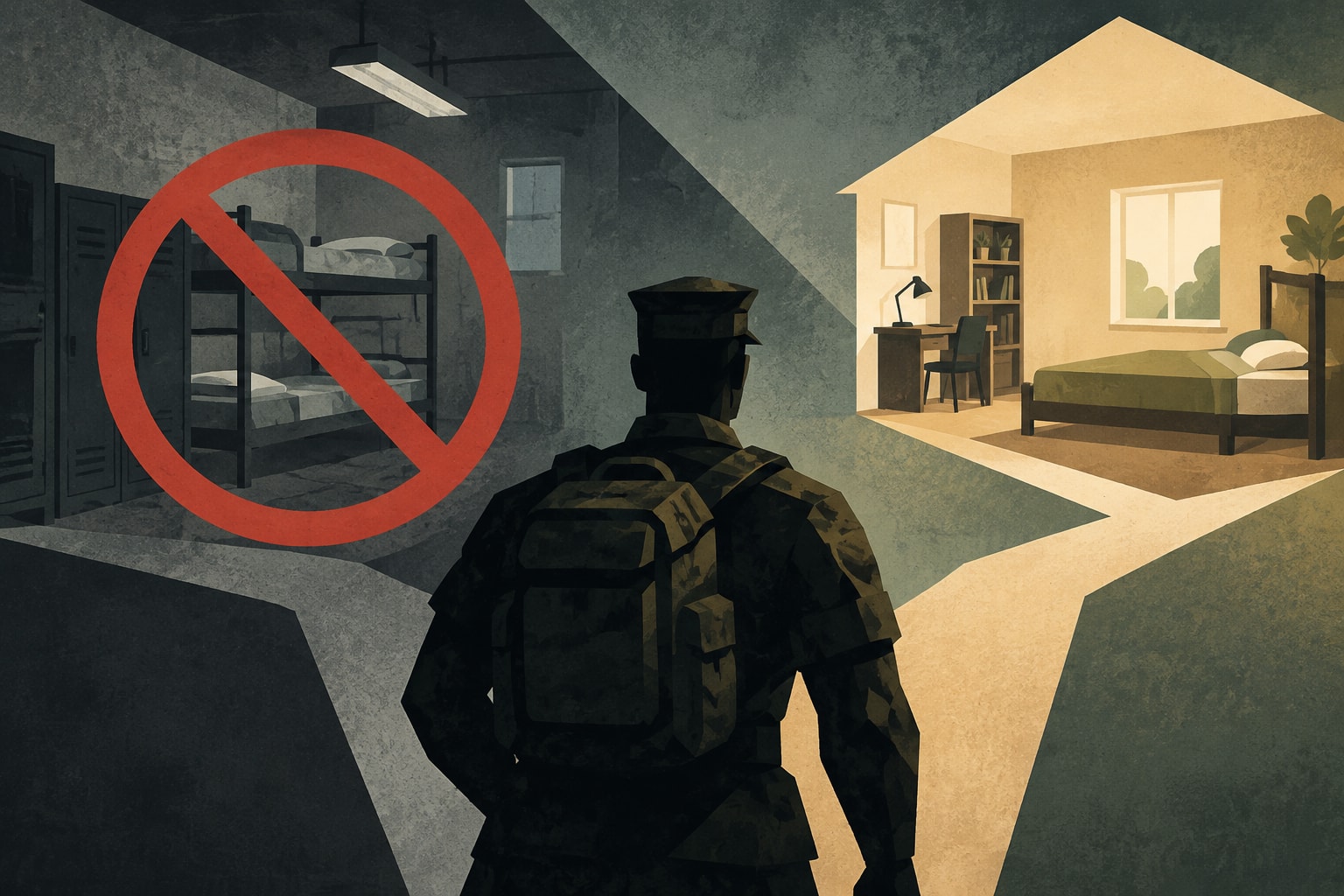
New standards allow Marines to refuse uninhabitable barracks, establishing clear housing requirements.
What's Happening
- •The Marine Corps has introduced a new housing bill of rights.
- •Marines can now refuse barracks rooms deemed uninhabitable.
- •The new standards define unsafe conditions and minimum housing requirements.
Why It Matters
The new housing bill of rights is a significant development for Marines, as it directly addresses long-standing issues related to living conditions. By establishing clear standards, the Marine Corps is prioritizing the health and well-being of its service members, which is crucial for maintaining morale and readiness.
What Changes Now
- •Marines can now refuse uninhabitable barracks rooms. This empowers them to advocate for better living conditions and ensures their health and safety are prioritized.
- •The new standards define what constitutes unsafe living conditions. This clarity helps Marines understand their rights and the minimum requirements for barracks.
- •Service members must document unsafe conditions to exercise their rights. Proper reporting procedures will be essential for enforcing these new standards.
What to Watch
- •Watch for updates from leadership on the implementation of the new housing standards. These updates will clarify the specific criteria that must be met for barracks to be considered habitable.
- •Look for training sessions regarding the new housing bill of rights. These sessions will equip Marines with the knowledge needed to navigate their rights effectively.
- •Monitor the evaluation of barracks conditions at your installation. Leadership will likely conduct assessments to ensure compliance with the new standards.
Get the Daily Briefing
Military and veteran news that actually affects you, in your inbox each morning.
More Context
- •Understanding the New Housing Bill of Rights: The Marine Corps has established a new housing bill of rights aimed at improving living conditions for service members. This initiative outlines specific criteria that must be met for barracks to be considered habitable, including safety and sanitation standards. The bill is a response to ongoing concerns about the quality of housing available to Marines, particularly in high-demand areas. By clearly defining what constitutes an unsafe or uninhabitable condition, the Corps aims to empower service members to advocate for their living environment. This is especially important for junior enlisted Marines who may feel pressured to accept substandard accommodations.
- •Who Benefits from These Changes?: The new housing standards primarily benefit active duty Marines across all ranks, particularly E-1 to E-4 personnel who often reside in barracks. These service members can now refuse to occupy rooms that do not meet the established safety criteria, which can include issues like mold, pest infestations, or inadequate heating and cooling. By ensuring that living conditions are acceptable, the Marine Corps is taking a significant step toward enhancing the overall well-being of its members. This change is particularly relevant for those stationed at installations known for overcrowded or poorly maintained housing.
- •Practical Changes Under the New Standards: With the introduction of the new housing bill of rights, Marines now have the authority to refuse barracks rooms that do not meet safety standards. This means that if a Marine encounters issues such as lack of heat or significant cleanliness problems, they can formally decline to occupy that room. To exercise this right, Marines should document any unsafe conditions and report them to their chain of command. This process not only protects their health and comfort but also holds the Marine Corps accountable for maintaining adequate living conditions.
- •What to Watch for Moving Forward: As the new housing standards are implemented, Marines should monitor updates from their leadership regarding specific criteria and procedures for reporting unsafe conditions. Additionally, the Marine Corps may provide training or resources to help service members understand their rights under this new bill. It's important for Marines to stay informed about how these changes will be enforced and what support systems are in place to assist them. The ongoing evaluation of barracks conditions will also be a key focus for leadership in the coming months.
Frequently Asked Questions
Can I refuse a barracks room if it has mold?
Yes, if the barracks room is deemed uninhabitable due to mold, you have the right to refuse it.
What should I do if my barracks room is unsafe?
Document the unsafe conditions and report them to your chain of command to exercise your rights under the new housing bill.
Will these changes affect my living conditions if I am stationed overseas?
Yes, the new standards apply to all Marine Corps barracks, including those stationed overseas.
The Daily Briefing
Military & veteran news that actually affects you — delivered every morning.
- Pay, benefits & policy changes
- Pentagon decisions that matter
- VA updates for veterans & families
- One email. No spam. Unsubscribe anytime.
Related Stories
- Family Sues Air Force Over Daughter’s Brain Injury from Birth Overseas— Task & Purpose
- Army Closes Training Ranges on Sacred Hawaiian Land— Military Times
- Trump Confirms Nidal Hasan's Execution Will Not Be Livestreamed— Marine Corps Times
- Navy Faces Readiness Challenges After Extended Carrier Deployments— Military Times