Marines Can Now Hit Targets 20 Kilometers Away with New FPV Drones
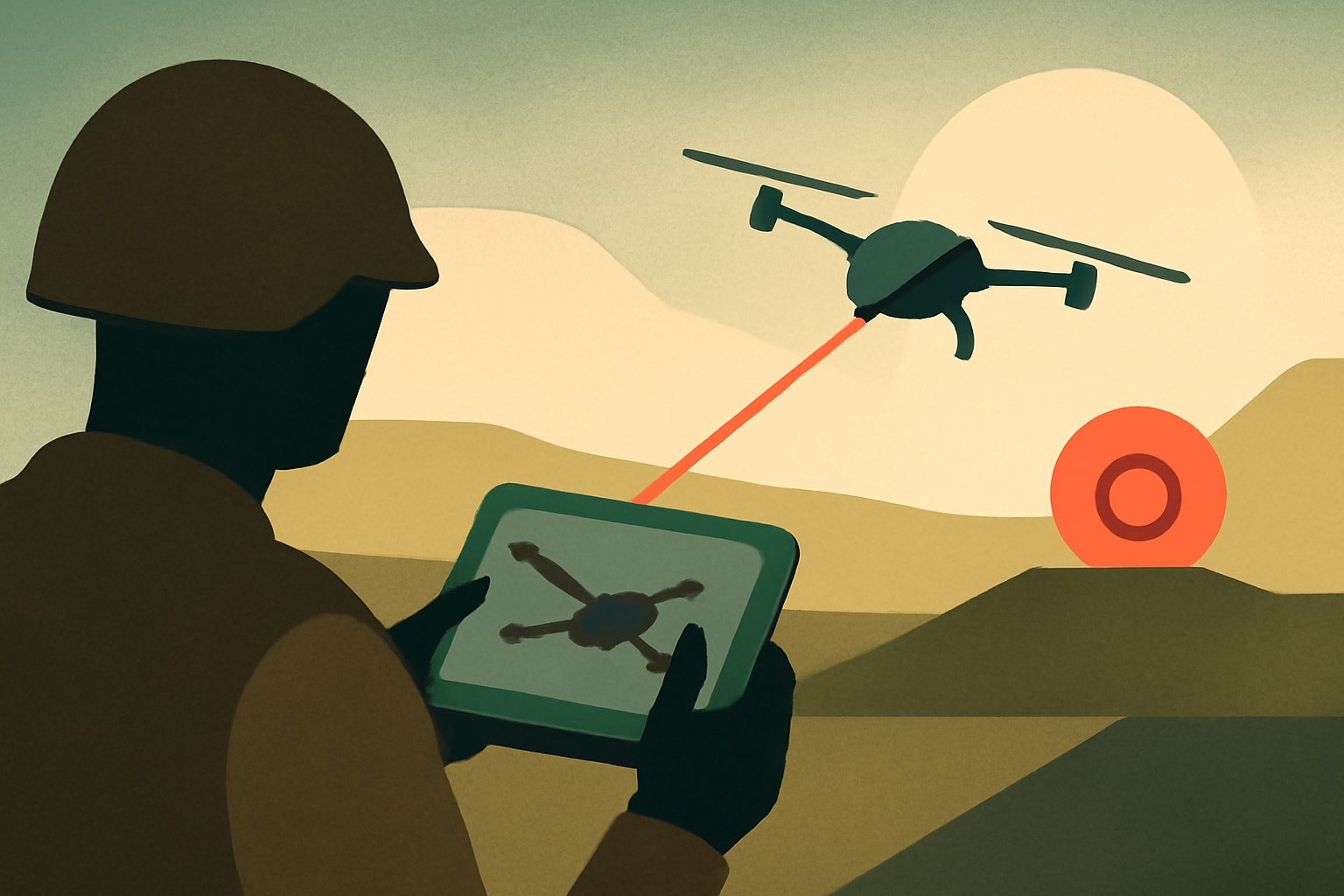
The Marines recently showcased their new one-way attack drones in South Korea, enhancing their operational capabilities.
What's Happening
- •Marines in South Korea successfully tested new one-way attack drones.
- •The drones can strike targets up to 20 kilometers away.
- •This technology represents a significant advancement in drone warfare capabilities.
Why It Matters
The introduction of FPV drones into Marine operations marks a significant evolution in military technology, enhancing the effectiveness and safety of ground troops. For service members and military families, this advancement underscores the ongoing commitment to modernizing defense capabilities, which may influence future training and operational strategies.
What Changes Now
- •The Marines will begin integrating FPV drones into their operational capabilities. This integration will likely require adjustments to training programs and operational protocols to ensure effective use.
- •Marines stationed in high-threat environments will have access to enhanced strike capabilities. This change is critical for improving mission success rates while reducing personnel risk.
- •The introduction of these drones may lead to changes in how Marine units plan and execute missions. Units will need to adapt their tactics to incorporate drone capabilities effectively.
What to Watch
- •Monitor updates on the operational deployment of FPV drones by the Marines. These updates will provide insights into how the drones are being utilized in various combat scenarios.
- •Watch for changes in training programs related to drone operation. As the technology evolves, training will need to keep pace to ensure Marines are fully prepared.
- •Keep an eye on potential expansions of drone capabilities to other branches of the military. This could lead to joint operations that leverage the strengths of each service.
Get the Daily Briefing
Military and veteran news that actually affects you, in your inbox each morning.
More Context
- •Overview of the New FPV Drones: The recent live-fire test conducted by the Marines in South Korea highlights the introduction of first-person view (FPV) drones into their arsenal. These drones are designed for one-way attack missions, allowing for precision strikes against enemy targets located up to 20 kilometers away. This capability not only increases the range of operations but also enhances the tactical options available to ground forces in combat situations.
- •Impact on Marine Operations: The deployment of these FPV drones is expected to significantly change how Marines engage in combat. With the ability to strike from a distance, Marines can minimize their exposure to enemy fire while still delivering effective firepower. This shift is particularly relevant for units stationed in high-threat environments, where traditional engagement methods may put personnel at greater risk.
- •Training and Integration: As the Marines begin to integrate these FPV drones into their operations, training programs will need to adapt accordingly. Personnel will require instruction on drone operation, maintenance, and tactical employment. This integration process is crucial for ensuring that Marines can effectively utilize the drones in real-world scenarios, potentially leading to changes in training schedules and resource allocation.
- •Future Developments to Monitor: As the Marines continue to refine their use of FPV drones, it will be important to watch for updates on operational deployments and further technological advancements. Future tests may reveal additional capabilities or modifications to the drones based on feedback from operators. Additionally, the potential for these drones to be used by other branches of the military could reshape joint operational strategies.
Frequently Asked Questions
How far can the new FPV drones strike?
The new FPV drones can hit targets up to 20 kilometers away.
Will all Marines be trained on these drones?
Training will focus on Marines in combat roles and those involved in drone operations.
What impact will this have on Marine tactics?
The use of FPV drones will require adjustments to tactics, allowing for safer engagement from a distance.
The Daily Briefing
Military & veteran news that actually affects you — delivered every morning.
- Pay, benefits & policy changes
- Pentagon decisions that matter
- VA updates for veterans & families
- One email. No spam. Unsubscribe anytime.
Related Stories
- Air Force Experiment Explores Human and AI Collaboration for Command and Control— Air & Space Forces Magazine
- Space Force Weighs Options to Boost Supply Chain Amid Production Surge— Air & Space Forces Magazine
- US Air Force Must Build Trust in AI to Combat Evolving Threats— Military Times
- GA-ASI's Uncrewed Combat Aviation Portfolio Enhances Warfare Capability— Air & Space Forces Magazine