Marine One Crew Failed to Reach Air Traffic Control Before Safety Incident
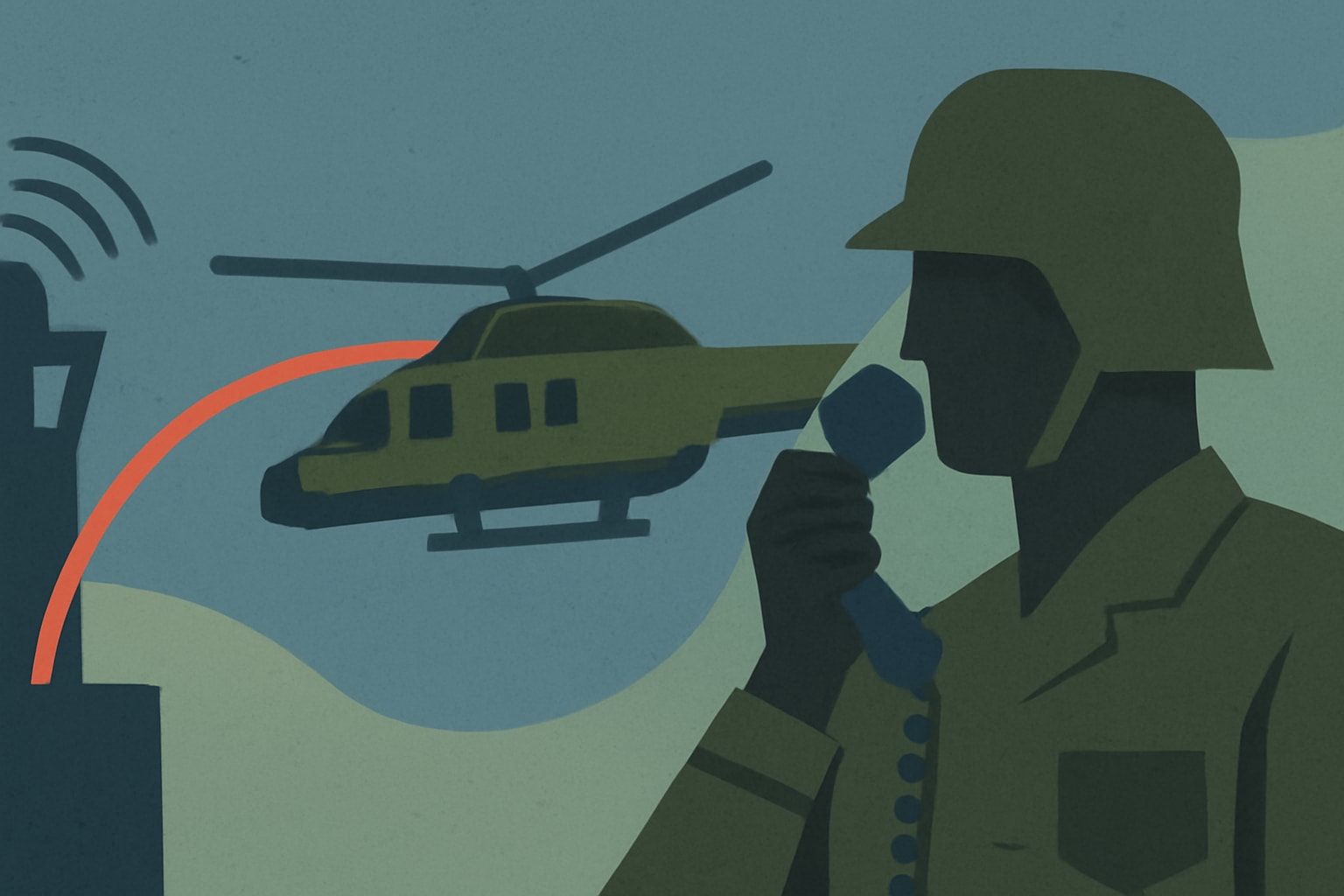
An NTSB report reveals that the Marine One crew transporting President Trump did not contact air traffic control prior to a safety incident.
What's Happening
- •The Marine One crew transporting President Trump did not communicate with air traffic controllers before takeoff on August 4.
- •The incident involved the helicopter coming dangerously close to a passenger jet.
- •The National Transportation Safety Board (NTSB) is investigating the circumstances surrounding this incident.
Why It Matters
This incident highlights critical lapses in aviation safety protocols that could impact military operations. For service members involved in flight operations, understanding the implications of such incidents is vital for ensuring safety and compliance with established procedures.
What Changes Now
- •Immediate reviews of communication protocols for Marine One crews will be conducted. This is crucial to prevent similar incidents in the future and ensure that all personnel are aware of the importance of contacting air traffic control.
- •Enhanced training programs may be implemented for all military helicopter crews. This will focus on communication and safety procedures to mitigate risks during flight operations.
- •The NTSB's findings could lead to policy revisions regarding high-profile flights. Such changes will be significant for all military personnel involved in transporting government officials.
What to Watch
- •The NTSB's final report on the incident is expected in the upcoming months. This report will provide detailed findings and recommendations that could influence future aviation policies.
- •Potential changes in training protocols for Marine One crews will be announced after the investigation. These changes will be critical for enhancing safety measures in military aviation.
- •Responses from military leadership regarding the incident will be monitored closely. Their statements may indicate the direction of future safety initiatives and policy adjustments.
Get the Daily Briefing
Military and veteran news that actually affects you, in your inbox each morning.
More Context
- •Details of the Incident: On August 4, a Marine One helicopter, tasked with transporting President Trump, failed to establish communication with air traffic control prior to its departure. This oversight led to a near-miss situation where the helicopter came alarmingly close to a passenger jet, raising significant concerns about aviation safety protocols. The NTSB is now thoroughly investigating the incident to determine the exact circumstances and potential lapses in safety procedures.
- •Implications for Aviation Safety: The failure to communicate with air traffic control is a serious breach of standard operating procedures that could have dire consequences. For military personnel involved in flight operations, this incident underscores the critical importance of adhering to communication protocols to ensure the safety of all air traffic. The NTSB's findings may lead to revised guidelines or additional training for crews operating Marine One and similar aircraft.
- •Potential Changes in Protocols: In light of this incident, there may be immediate changes in how Marine One crews are trained and how they interact with air traffic control. This could involve enhanced communication drills or stricter adherence to pre-flight checklists. Such changes are essential to prevent future incidents and ensure the safety of high-profile flights, particularly those involving the President.
- •Monitoring the Investigation: The ongoing investigation by the NTSB is expected to produce findings in the coming months. Stakeholders, including military leadership and aviation safety experts, will be closely watching the outcome as it may lead to significant policy changes. The results could also affect how military and civilian aviation operations are conducted in the future.
Frequently Asked Questions
Does this affect Guard members on Title 10 orders?
Yes, if they are involved in aviation operations, they must adhere to the same safety protocols as active duty personnel.
Will my BAH change if I move duty stations mid-year?
Your Basic Allowance for Housing (BAH) may change based on the new duty station's rates, and you should update your information through myPay.
The Daily Briefing
Military & veteran news that actually affects you — delivered every morning.
- Pay, benefits & policy changes
- Pentagon decisions that matter
- VA updates for veterans & families
- One email. No spam. Unsubscribe anytime.
Related Stories
- Army Releases ‘Know the Threat’ Guide on Iranian Soldiers— Task & Purpose
- US Army Awards $43 Million to Kaizen Laboratories for Software Development— Army Times
- Rolls-Royce Proposes MTU 8V 199 Engine for Army's Bradley Replacement— Task & Purpose
- Army Identifies Systemic Failures Behind DC Midair Collision and Calls for Safety Fixes— Military.com