June Marks PTSD Awareness Month: A Call to Action for Veterans
As June is designated as PTSD Awareness Month, efforts are underway to reduce military suicides by 40% by 2030.
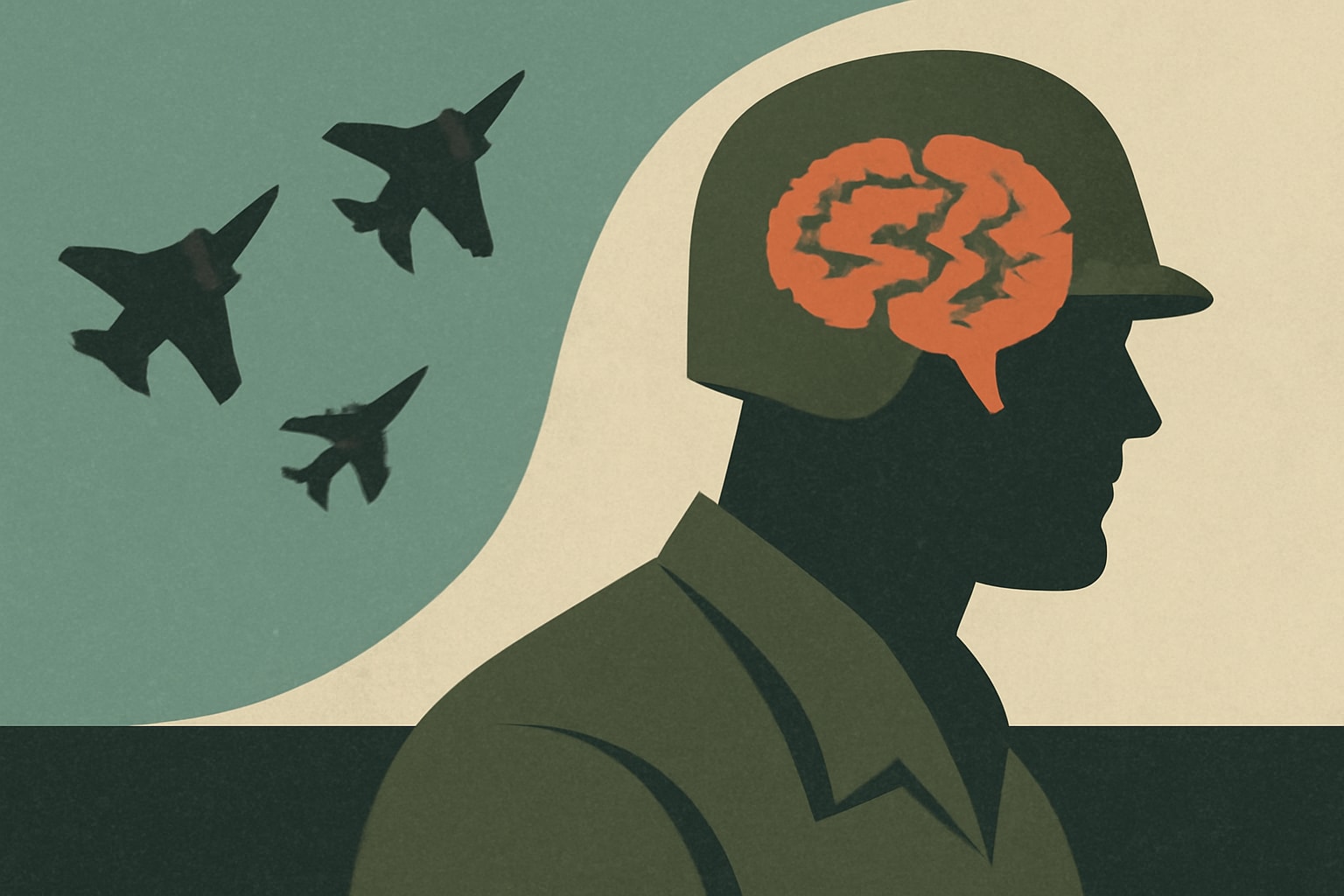
What's Happening
- •June is recognized as Post-Traumatic Stress Disorder (PTSD) Awareness Month.
- •Advocates aim to reduce military suicides by 40% by 2030.
- •Mental health treatments are available for veterans experiencing PTSD and suicidal thoughts.
Why It Matters
PTSD is a significant issue affecting many veterans, impacting their mental health and overall well-being. Awareness initiatives and support systems are crucial in helping veterans navigate their challenges and reduce the risk of suicide.
What Changes Now
- •Increased focus on mental health resources for veterans is underway. This includes enhanced access to counseling and therapy programs through the VA.
- •Community support initiatives are expanding during PTSD Awareness Month. Local organizations are hosting events to educate veterans and their families about PTSD and available resources.
- •Advocacy efforts are intensifying to push for policy changes aimed at improving mental health care for service members. This could lead to better funding and support for mental health programs.
What to Watch
- •Upcoming mental health awareness events throughout June. These events will provide information on PTSD and resources available to veterans.
- •Policy discussions on mental health funding in Congress. Decisions made in the coming months could significantly impact the availability of resources for veterans.
- •New initiatives from the VA aimed at improving mental health services. These initiatives will be closely monitored for their effectiveness in reaching veterans in need.
Get the Daily Briefing
Military and veteran news that actually affects you, in your inbox each morning.
More Context
- •Understanding PTSD in the Military: Post-Traumatic Stress Disorder (PTSD) affects many veterans and service members, often stemming from combat experiences or traumatic incidents during service. Symptoms can include flashbacks, severe anxiety, and uncontrollable thoughts about the event. For those in active duty, particularly combat arms MOSs such as 11B Infantrymen or 68W Army medics, the prevalence of PTSD can significantly impact their quality of life and ability to serve effectively.
- •Current Initiatives to Combat Military Suicides: Organizations and advocates are working tirelessly to address the alarming rates of suicide among veterans. The goal to reduce military suicides by 40% by 2030 reflects a commitment to improving mental health resources and support systems. This includes increasing access to counseling, therapy, and peer support groups specifically tailored for veterans, particularly those in high-stress roles such as Special Operations Forces.
- •Resources Available for Veterans: Veterans struggling with PTSD can access various resources through the Department of Veterans Affairs (VA) and community organizations. The VA offers mental health services, including counseling and medication management, which can be accessed through VA.gov or by calling the Veterans Crisis Line at 1-800-273-8255. Additionally, local veteran service organizations often provide support groups and workshops aimed at building resilience and coping strategies.
- •The Importance of Awareness and Support: Raising awareness about PTSD is crucial in reducing stigma and encouraging veterans to seek help. Community events during PTSD Awareness Month serve as a platform for education and outreach, helping to inform service members and their families about the signs of PTSD and available resources. For those who have served, understanding that they are not alone in their struggles can be a powerful motivator to seek treatment and support.
Frequently Asked Questions
What resources are available for veterans with PTSD?
Veterans can access mental health services through the VA and local veteran organizations.
How can I support a veteran struggling with PTSD?
Encourage them to seek help and provide information about available resources and support groups.
What are the signs of PTSD in veterans?
Common signs include flashbacks, severe anxiety, and changes in mood or behavior.
Veteran Take
For those who've served, PTSD is more than just a statistic; it's a reality that many of us face daily. The push for awareness and support is crucial, as it can be the lifeline for veterans navigating the complexities of mental health. We must come together to share our stories and advocate for the resources that can help reduce the tragic loss of our brothers and sisters.
The Daily Briefing
Military & veteran news that actually affects you — delivered every morning.
- Pay, benefits & policy changes
- Pentagon decisions that matter
- VA updates for veterans & families
- One email. No spam. Unsubscribe anytime.
Related Stories
- Fewer Than 10 American Veterans Who Witnessed Hiroshima and Nagasaki Remain— Military.com
- VA Urged to Cut 435 Programs, Impacting Veterans and Service Members— Military.com
- Free NYU Business Course for Veterans and Military Spouses— Military.com
- Veterans Exhibit Higher Blood Levels of PFAS Than Civilians, Study Finds— Task & Purpose